

Vitamin A Deficiency and Its Effects on Eye Health
What does vitamin A do for the eyes? Learn the effects of deficiency, foods rich in vitamin A and why to check with a doctor before supplements.
20 results found
What does vitamin A do for the eyes? Learn the effects of deficiency, foods rich in vitamin A and why to check with a doctor before supplements.
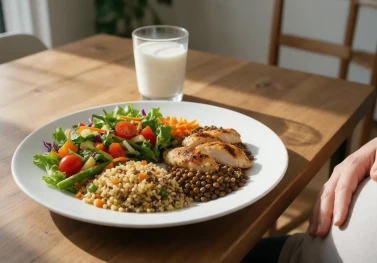
What to eat during pregnancy? How to build a healthy plate with vegetables, wholegrains, protein and dairy, with portion ideas and safe choices.

Can you eat liver, kokorec, tripe, raw köfte, sucuk and pastirma in pregnancy? The risks of offal and raw meat, and safe rules for cooking meat.
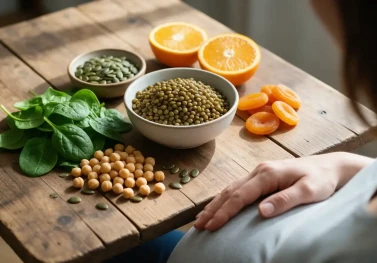
Why does iron deficiency happen in pregnancy? Symptoms, iron-rich foods, tips that raise absorption and how to eat well while taking iron supplements.
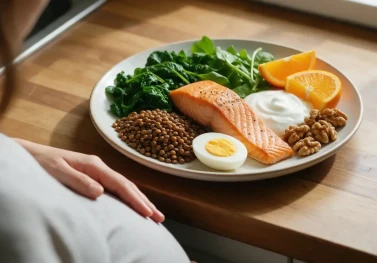
Needs for folate, iron, iodine, calcium and vitamin D rise in pregnancy. Which foods provide them, and when are supplements needed? A dietitian's guide.

What is “Ozempic face” and why does it happen? Facial changes with rapid weight loss, nutrients that matter for skin, and the realistic role of nutrition.
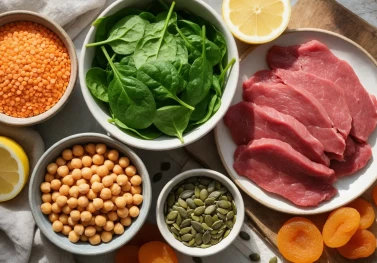
What are the symptoms of iron deficiency and who is at risk? Daily iron needs, a table of iron-rich foods and eating tips that improve absorption.
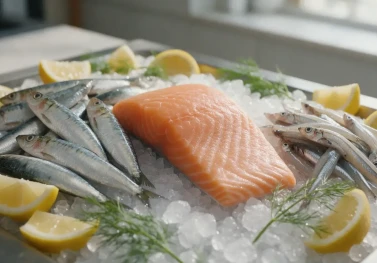
Can you eat fish in pregnancy? Low-mercury fish, weekly portions, species to avoid, raw and smoked fish, and tips for cooking fish safely at home.
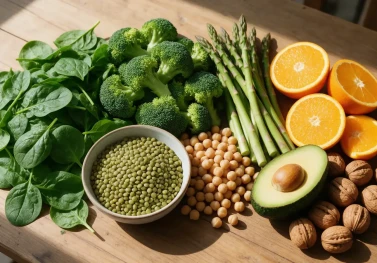
Which foods contain folic acid? A folate table, cooking that protects folate, why a supplement matters before pregnancy and a folate-rich sample day.

What not to eat in pregnancy? Raw meat and fish, unpasteurised milk, liver, high-mercury fish, caffeine and alcohol, with safe alternatives.
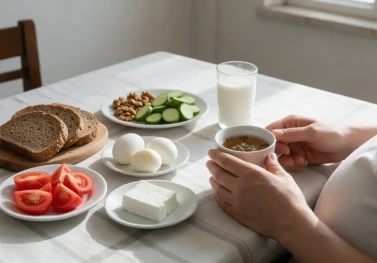
How should you eat in the first 3 months of pregnancy? Key nutrients, a sample daily menu, a plain plan for days with nausea and foods to avoid.
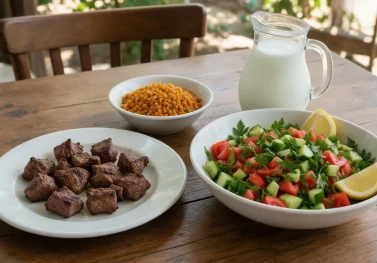
How should you store and cook meat at Eid al-Adha, and how much should you eat in one meal? Practical tips for easier digestion, from a dietitian.
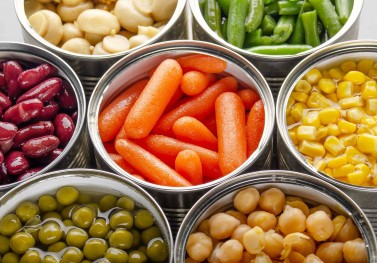
Are tinned vegetables healthy? How they are made, what to watch for such as sodium and BPA, and how their nutrition compares with fresh vegetables.
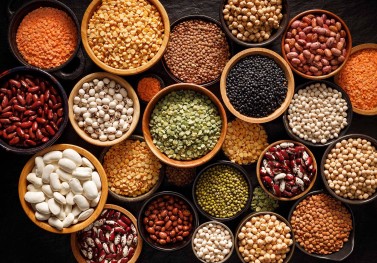
Why pulses such as chickpeas, lentils, beans and peas are valuable plant protein and fibre sources, and what each variety offers as part of a balanced diet.
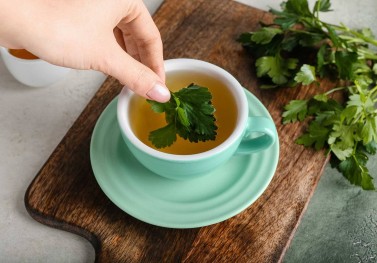
What parsley tea is, what limited research says about weight, possible benefits, how much to drink, how to make it, and who should check with a doctor first.
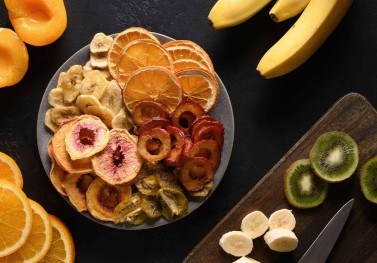
What dried fruit offers: concentrated fibre, potassium, iron and vitamins in dried apricots, prunes, raisins, kiwi, figs, apples, mulberries and dates, and how to enjoy them.
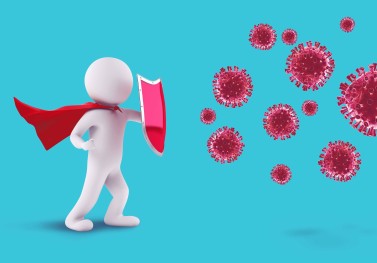
Everyday foods such as eggs, parsley, spinach, oranges, fish, yoghurt and nuts that provide nutrients supporting your immune system, plus lifestyle habits that matter.
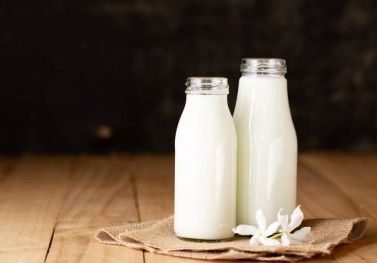
Kefir is milk fermented with cultures; kombucha is fermented tea. Compare their nutrition, probiotic content, taste and who should avoid each.
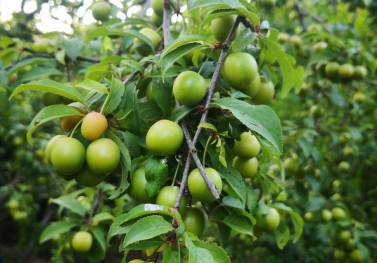
Green plums are a tangy, juicy summer fruit with fibre and vitamin C. See their nutrition values and how they can fit into a balanced eating plan.
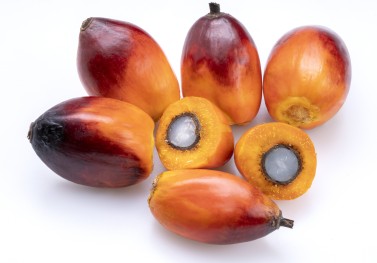
Palm oil is the world's most widely used vegetable oil. Learn what it is, its nutrition, and what is known about heart health and safety.