

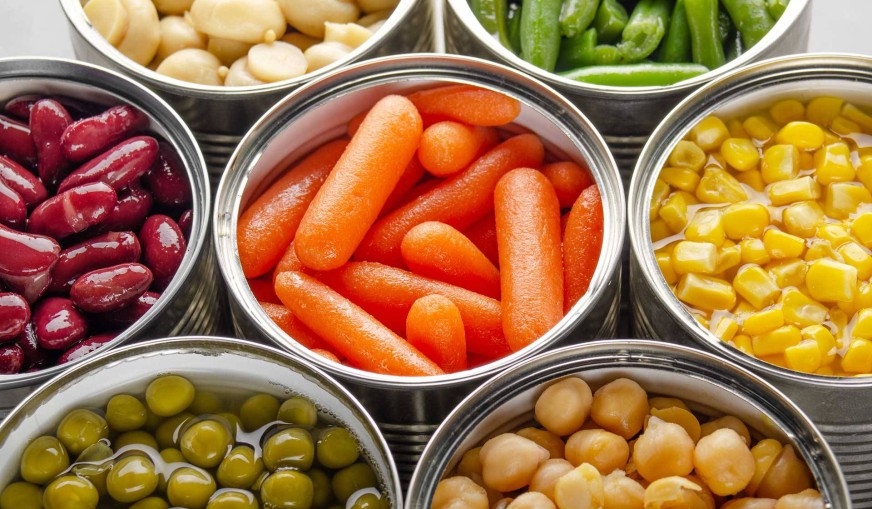
Tinned vegetables offer a practical and convenient alternative out of season or when fresh vegetables are not available. Their long shelf life and ease of use have made tinned vegetables an indispensable ingredient in many kitchens. However, there are some gaps in knowledge about the nutritional value of tinned vegetables and their effects on health.
What Are Tinned Vegetables?
Tinned vegetables are fresh vegetables that have been processed and packaged so that they can be stored for a long time. This process aims to keep the nutritional value of the vegetables while extending their shelf life. They are usually packed with water, salt and some preservatives using vacuum or heat-treatment methods.
The production process for tinned vegetables generally includes the following steps:
- Preparation: fresh vegetables are cleaned, washed and cut to the desired sizes.
- Heat treatment: the prepared vegetables are pasteurised with a high-temperature process.
- Packaging: the heat-treated vegetables are usually filled into metal cans or glass jars. Water, salt and other preservatives are then added and the lids are closed tightly.
- Sterilisation: to make sure the vegetables are completely sterile, they go through another high-temperature process.
- Cooling and storage: processed and packaged tinned vegetables are cooled and stored. This extends the shelf life of the products and lets them be kept safely.
Are Tinned Vegetables Harmful?
Tinned vegetables are generally not harmful when stored and eaten correctly. In some cases, however, there are points to watch.
- High sodium content: tinned vegetables are usually processed with added salt as a preservative, so they can contain a lot of sodium. A high sodium intake can raise the risk of hypertension and heart disease, so it is important to choose low-sodium or no-added-salt options.
- Preservatives: some tinned foods may contain preservatives to keep their colour and texture. Some people may be sensitive to these additives. Where possible, choose natural options without additives.
- BPA content: some linings used in the packaging of tinned vegetables may contain chemicals such as BPA, which can be a health concern. Because BPA may be linked with hormone imbalances and some health problems, choose BPA-free packaging where possible.
- Loss of nutritional value: some vitamins and minerals can be lost during the processing of tinned vegetables. These losses can be more marked in water-soluble vitamins such as vitamin C and the B vitamins.
- Highly processed options: some tinned vegetables can be highly processed and loaded with sugar or additives. Such options may not suit healthy eating, so it is important to choose natural, minimally processed options.
Nutritional Value of Tinned Vegetables
The nutritional value of tinned vegetables generally differs when compared with fresh vegetables. The differences are not very large, however, and tinned vegetables can still be part of a healthy eating plan.
Some of the nutrients typically found in tinned vegetables are:
- Fibre: they are generally a good source of fibre. Fibre supports digestive health, increases the feeling of fullness and helps keep blood sugar levels steadier.
- Vitamins: they are generally a good source of vitamins. They contain vitamin C, vitamin A and vitamin K in particular. These vitamins contribute to the normal function of the immune system, vision and bones.
- Minerals: they are generally a good source of minerals such as potassium, magnesium, iron and calcium. These minerals support muscle function and bone health and are needed for many metabolic processes in the body.
- Antioxidants: tinned vegetables also provide antioxidants. Antioxidants help protect cells from damage as part of a varied diet.
Thanks to their convenience and long shelf life, tinned vegetables have an important place in many kitchens. Although there are some differences in nutritional value compared with fresh vegetables, tinned vegetables are still part of a healthy eating plan. When chosen and eaten carefully, they offer a nutritious and tasty option.
This article is for general information only; please consult your doctor and dietitian about your own situation.
Book an appointment for a personalised nutrition plan
The information in this article is general; what you need depends on your age, health and goals. Message us and we will build the plan that suits you together.

This content is for information only. For a personalised nutrition programme, please consult a dietitian.


