

Pregnancy Nutrition
Personal nutrition support through every trimester, planned around your test results and routine, in line with your obstetrician's advice.
What is yoga, which types are there and what are the possible benefits for body and mind? Basic information for beginners and its link with healthy living.
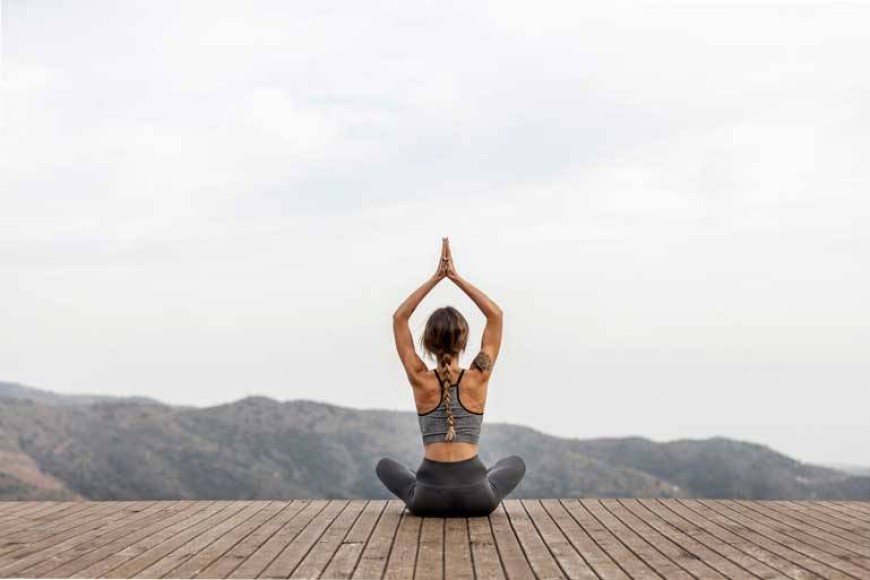
Yoga has its roots in India and is a practice in which the body, mind and spirit move together. It is said that in yoga the body, mind and spirit become one and act together. From the outside it looks like physical exercise, but people often find that they relax, rest and settle mentally and emotionally as well, often without realising it.
With its many types of yoga, it is a teaching that holds a rich culture and philosophy. It contains mental, physical and spiritual practices that are intended to help you feel better in body and mind. Found in many belief traditions, it aims to bring out your best self. The word itself carries meanings such as "union", "joining", "yoke" and "harness". Yin yoga, which draws on Chinese medicine, is one of the most popular types.
Although it has become much more popular in recent years, the history of yoga goes back almost 5,000 years. Yoga is known to have come from ancient Indian philosophy, and South Asia is one of its centres today. Over time it developed and was added to until it reached its current form, and with its different types it has become an ancient tradition.
Yoga is often thought of as a single form of exercise, but it has many different types. The best-known types of yoga practised around the world are as follows.
This is classical yoga and a balancing type of practice. It is suitable for beginners.
This is a power yoga with plenty of exercises and breathing techniques. It is also suitable for beginners.
One of the most energetic types of yoga, in which you move into one pose on each inhale and another on each exhale. It needs a good level of energy and fitness.
Based on Chinese medicine philosophy, this type is slower and calmer than the others. Poses are held for longer, with the aim of gently stretching the connective tissues.
A type of yoga centred on meditation, with holistic work on body awareness.
In addition to the types above, yoga therapy, restorative yoga and Bikram yoga are also practised today.
Yoga for beginners can do more harm than good if it is not done correctly. Although yoga looks easy, it includes many poses that challenge the body. Warm up your body beforehand and prepare yourself for the practice.
There are many answers to how to do yoga, because there is no single type of yoga. First decide which type you want to practise. You can then use online resources, join a yoga studio or take private lessons, so that you can practise safely and benefit from yoga.
First and foremost, take care not to injure yourself. Always do some stretching beforehand. It also helps to practise in the same place, on a suitable floor, in a room with suitable conditions. If you do yoga at home, avoid sticking to the same classes and videos for too long; progress to higher levels gradually.
Yoga is a holistic practice. The benefits of yoga that people commonly describe with regular practice are:
This page is for general information only; please consult your doctor and dietitian about your own situation.
Fill in the form and we will get back to you.
This content is for information only. For a personalised nutrition programme, please consult a dietitian.
Personal nutrition support through every trimester, planned around your test results and routine, in line with your obstetrician's advice.

Work with an English-speaking specialist dietitian by video call from anywhere: personal plans adapted to where you live, with weekly follow-up.

A personalised, habits-first weight management plan with a specialist dietitian, online in English or in person in Istanbul.