Pregnancy Nutrition
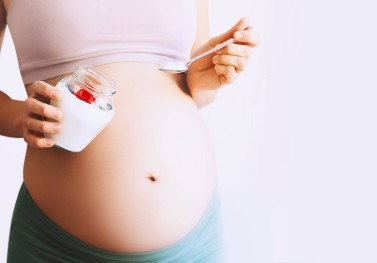
Personal nutrition support through every trimester, planned around your test results and routine, in line with your obstetrician's advice.
Balanced vegetarian and vegan eating with dietitian support, so that you meet your protein, vitamin and mineral needs without meat.

A vegetarian diet leaves out meat, poultry and fish, and people choose it for ethical, environmental, religious, health or personal reasons. Well-planned vegetarian and vegan diets can be nutritious and enjoyable at every stage of life. Because whole food groups are removed, though, they need a little more thought. As a specialist dietitian, I help you build a plant-forward eating pattern that covers your needs, fits your routine and suits the foods available where you live.
Research suggests that people who follow well-planned vegetarian diets tend to eat more fibre, vitamin C, vitamin E and magnesium. Plant-based eating patterns are associated with a lower risk of heart disease, type 2 diabetes and some cancers, and can support weight management. These benefits depend on the overall quality of the diet: a vegetarian diet built on white bread, pastries and fried snacks does not offer the same advantages.
We review your latest blood tests and, where supplements may be useful, discuss them in line with your doctor's advice.
Pregnancy, breastfeeding, childhood, older age and high training loads all raise certain nutrient needs. If you are vegetarian or vegan and expecting a baby, see pregnancy nutrition; if you train regularly, see sports nutrition. Your plan is personalised for your stage of life, health status and goals. Results vary from person to person.
In the first session we look at your current diet, the type of vegetarianism you follow, your health history and your tests. You then receive a practical plan with meal ideas and shopping tips, which we refine at follow-up sessions. Sessions are available online in English for clients abroad or in person at my office in Ataşehir, Istanbul.
Yes. With regular servings of pulses, soya foods, nuts, seeds, whole grains and, if you eat them, eggs and dairy, most people can meet their protein needs.
Vegans need a reliable source of vitamin B12, and some people also need vitamin D, iron or omega-3 support. This depends on your diet and blood tests.
It can be, if portions and food quality are planned. See weight management for more.
A gradual transition with planned protein sources is usually easier to maintain. We can plan the change step by step.
To plan a balanced vegetarian or vegan diet, get in touch to book a session or message on WhatsApp.
Fill in the form and we will get back to you.
This content is for information only. For a personalised nutrition programme, please consult a dietitian.
Personal nutrition support through every trimester, planned around your test results and routine, in line with your obstetrician's advice.
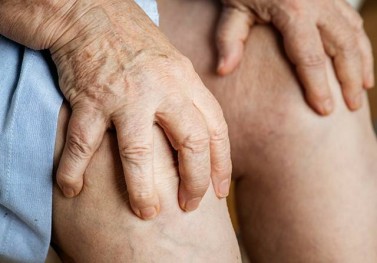
A balanced, lower-purine eating pattern that supports the treatment your doctor recommends for gout, planned around your tests, routine and food culture.

A kidney-friendly eating plan built with your nephrologist's results: protein, potassium, phosphorus, salt and fluid tailored to you.