

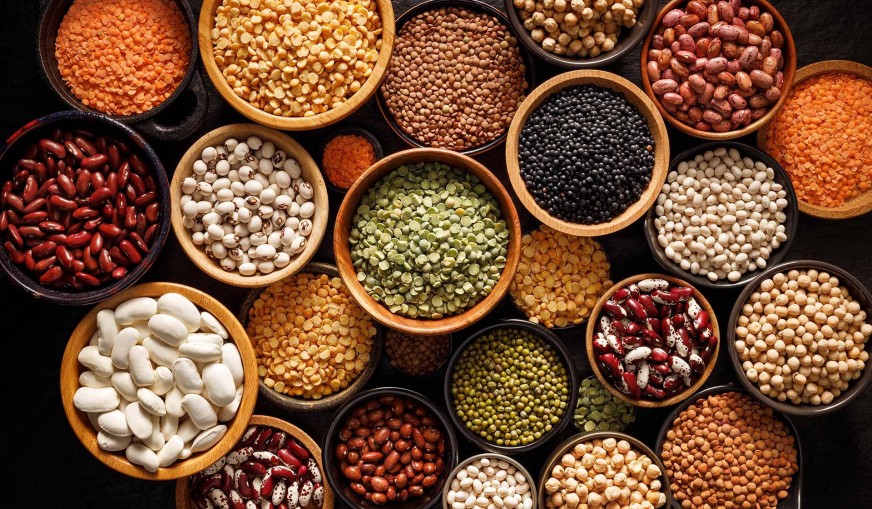
The foods we eat have many effects on our body and our health. Pulses, the most important plant protein source after meat, offer many benefits and are also a staple of healthy eating.
Pulses
Pulses are healthy foods with a high nutritional value. They are especially rich in protein, so they come to mind first when people talk about protein without animal foods. For this reason they are an important food for people who eat a vegetarian diet.
Pulses come in many varieties, each with its own benefits. First, though, we should answer the question of what the benefits of pulses are in general.
Benefits of Pulses
- They can contribute to a healthy immune system as part of a balanced diet, thanks to their protein, vitamins and minerals.
- They contain no cholesterol and are low in saturated fat, which makes them a good choice for a heart-friendly diet. Replacing some animal-based foods with pulses can also help with managing cholesterol.
- Pulses have a low glycaemic index, which means they raise blood sugar more gradually. This can help keep blood sugar steadier after meals.
- Their fibre supports regular bowel movements and can help ease constipation. The fibre also helps you stay full for longer.
- Among the benefits of pulses, thanks to their fibre content, is a possible role in supporting a healthy gut, and diets rich in fibre have been associated with a lower risk of bowel cancer.
- As part of a balanced diet they provide nutrients that support brain function.
- Among the benefits of pulses is their iron content, which can help meet your iron needs as part of a varied diet.
Types of Pulses
The benefits of pulses are many, and the same is true of the different varieties. The most common types and what they offer are as follows:
- Chickpeas: A member of the pulse family with some surprising benefits. A plant-based protein source that can be a helpful part of a diet for blood sugar balance and weight management. It also supports digestion and, as part of a balanced diet, heart health and healthy blood pressure.
- Broad beans: Rich in protein and carbohydrate. They are a good choice for healthy carbohydrates, and they provide nutrients that support skin and kidney function as part of a varied diet.
- Red lentils: Rich in sodium, potassium, magnesium, protein, iron and calcium, and a useful plant source of nutrients. Their antioxidant compounds are part of a healthy diet, and they keep you full for a long time, as mentioned among the benefits of pulses, which can help with managing portions.
- Green lentils: A useful food for a diet that supports blood sugar and heart health. They support digestion, provide protein for muscles and give a steady supply of energy.
- Borlotti (cranberry) beans: High in fibre, and rich in iron, calcium, magnesium and vitamins A, B5, B9 and C. An excellent protein source, especially for active people. Their fibre supports gut health, and they provide nutrients for the body's repair and growth.
- Beans: They support digestion. Because they contain folate, which is important in pregnancy, they are a good food to include in a varied diet then (please talk to your doctor or obstetrician about your own needs). They also provide nutrients for eye health, and, as noted among the benefits of pulses, can help with managing cholesterol.
- Black-eyed peas: A member of the pulse family and a store of vitamin A, they are a very good protein source. They support gut health, can help with weight management as part of a balanced diet and are a source of iron. They can also be part of a diet that helps manage cholesterol and blood sugar.
- Peas: A good source of fibre and plant protein that supports digestion and a balanced diet. They also provide nutrients that support skin and hair health.
This article is for general information only; please consult your doctor and dietitian about your own situation.
Book an appointment for a personalised nutrition plan
The information in this article is general; what you need depends on your age, health and goals. Message us and we will build the plan that suits you together.

This content is for information only. For a personalised nutrition programme, please consult a dietitian.


