

Pregnancy Nutrition
Personal nutrition support through every trimester, planned around your test results and routine, in line with your obstetrician's advice.
Unlike classical yoga, yin yoga holds poses for longer and focuses on the flexibility of connective tissue. A calm style of yoga, explained for beginners.
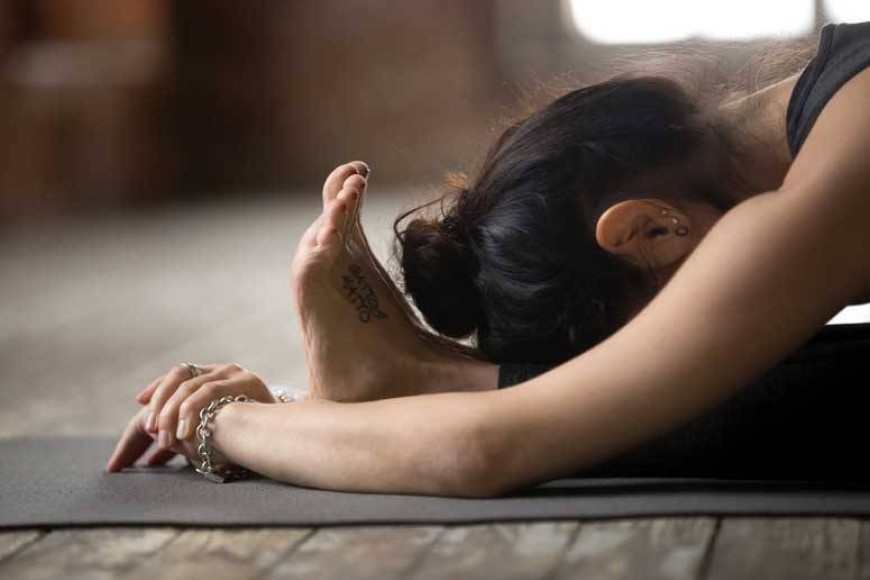
Yin yoga is based on Taoism, one of the important ancient teachings of Chinese philosophy. Unlike classical yoga, the poses are held for longer. It also includes some of the basic practices of Hatha yoga, although it differs from it in many ways.
Unlike basic yoga movements, yin yoga stays longer in each pose when moving from one pose to the next, so that more stretching is possible. Classical yoga focuses on strengthening the muscles, whereas yin yoga focuses on the connective tissues, the joints and the overall flexibility of the body. Chi energy, which is important in Far Eastern philosophy, also has a place in yin yoga. With the masculine and feminine energies included in the practice, the aim is to balance a person's energy in both directions.
Yin yoga philosophy was first practised by the American teacher Paul Grilley. He said that he learned it from Paulie Zink and developed it from the teachings of Taoist yoga. The foundation of this philosophy rests on Taoism.
Anyone who wants to can practise yoga, including yin yoga. Age, weight and health status should not hold you back, but if you have a health condition please check with your doctor first. Don't worry if your body loses flexibility as you get older, because regular practice can help you regain some of it. How you progress will depend on your lifestyle and age. If you are doing it for the first time, you can work with an instructor, who can help you find the right type of yoga and start in a safe way.
The principles of yin yoga are quite simple. There are three basic principles, and following them makes the practice more comfortable and more useful. They are:
When you ask how to do yin yoga, there is not much that differs from other types of yoga. The poses are basically the same, but in this style you stay in them for longer. This can be demanding in some poses for beginners, so it can help to start with guidance from an instructor.
Yoga in itself is a very good form of exercise for the human body, and each type has its own qualities. The benefits of yin yoga that people commonly describe are:
This page is for general information only; please consult your doctor and dietitian about your own situation.
Fill in the form and we will get back to you.
This content is for information only. For a personalised nutrition programme, please consult a dietitian.
Personal nutrition support through every trimester, planned around your test results and routine, in line with your obstetrician's advice.

Work with an English-speaking specialist dietitian by video call from anywhere: personal plans adapted to where you live, with weekly follow-up.

A personalised, habits-first weight management plan with a specialist dietitian, online in English or in person in Istanbul.