

Andumedic 3 Pro
The Andumedic 3 Pro is an andulation device that uses vibration and infrared light together. How it works, how it is used and who it is not suitable for.
Daily habits, nutrition and supportive approaches such as andulation therapy can be part of a plan for better sleep. See a doctor about sleep problems.
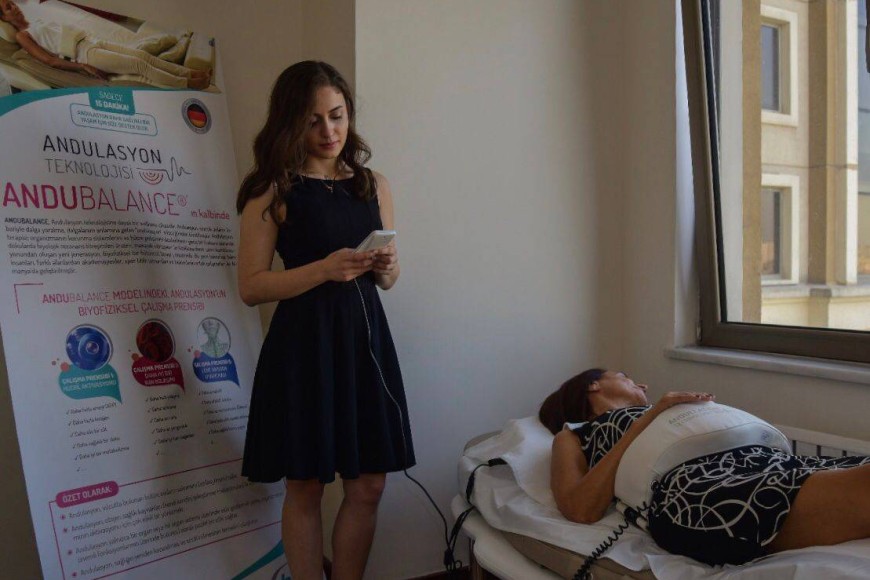
Good-quality sleep has a major effect on everyday comfort. Poor sleep can leave you feeling tired, tense and drowsy through the day, so it is worth looking at ways to improve sleep quality. Alongside changes to your lifestyle, supportive approaches such as andulation therapy can be considered.
Insomnia is a sleep disorder that makes it hard to fall asleep or stay asleep, or causes very early waking with no return to sleep. People with insomnia usually feel tired when they wake up. Insomnia can affect not only energy levels and mood but also health, work performance and quality of life.
Because insomnia can reduce sleep quality considerably, a range of approaches are used to improve sleep quality.
Sleep that is not interrupted during the night, waking up refreshed and feeling energetic through the day are signs of good-quality sleep. In short, the quality of the day is closely linked to restful sleep. A number of factors can lead to poor sleep.
Waking often during the night, getting out of bed unrested in the morning and feeling constantly tired and sleepy during the day are signs of poor-quality sleep.
About half of adults experience sleeplessness at some point in their lives, and around 1 in 10 people complain of chronic sleeplessness. Insomnia is seen about twice as often in women as in men. It can have several causes, so the first step towards better sleep is to identify the underlying reason.
Problems that can affect sleep quality include:
To improve sleep quality, the reason for the sleeplessness should be identified first. In general, you can consider the following:
The way you eat is directly related to sleep quality, so there are a few points worth bearing in mind.
Refined carbohydrates such as white bread, pasta and biscuits are generally not seen as sleep-friendly choices, because they tend to be associated with lower serotonin levels.
Lean proteins include low-fat cheese, chicken, turkey and fish. These foods tend to be associated with higher serotonin levels, so they are among the foods that can support sleep.
Unsaturated fats are good for the heart and for sleep. Healthy fat sources include nut butters, walnuts, almonds, cashews and pistachios, and avocado is another option.
Some drinks encourage sleep, while others can get in its way, so watch what you drink close to bedtime. If you have trouble falling asleep, you can try a glass of warm milk or a herbal tea such as camomile or mint before bed.
Different approaches are used to support sleep quality. They include:
Andulation therapy is described as:
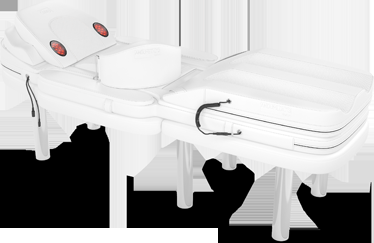
The Andumedic 3 Pro is a device that is used as part of sleep-supporting routines. It has many programmes.
The Andumedic 3 Pro is described as:
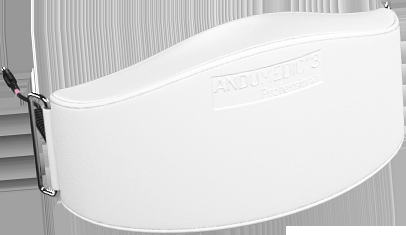 The Andumedic 3 Pro that we use is applied in sleep-related programmes as well as in other programmes.
The programmes are intended to ease tension in the muscles and to help the body tolerate stress-causing factors better. How quickly you notice any change varies from person to person. If you have long-standing sleep problems, please talk to your doctor first.
This page is for general information only; please consult your doctor and dietitian about your own situation.
Fill in the form and we will get back to you.
This content is for information only. For a personalised nutrition programme, please consult a dietitian.
The Andumedic 3 Pro is an andulation device that uses vibration and infrared light together. How it works, how it is used and who it is not suitable for.
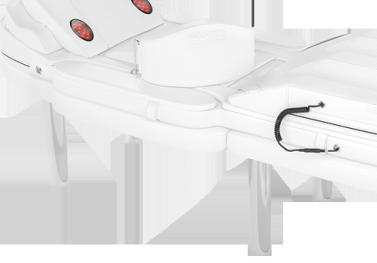
Andulation therapy combines mechanical vibration with infrared light. Find out how it works, how sessions are planned and who it is not suitable for.
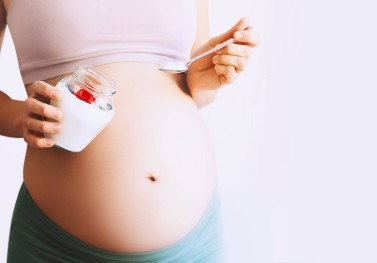
Personal nutrition support through every trimester, planned around your test results and routine, in line with your obstetrician's advice.