
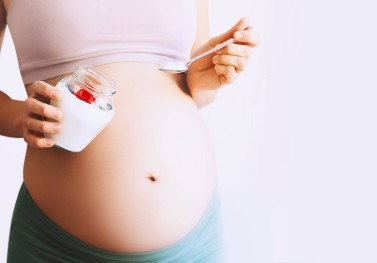
Pregnancy Nutrition
Personal nutrition support through every trimester, planned around your test results and routine, in line with your obstetrician's advice.
Balanced, practical eating while breastfeeding: meet your higher energy and fluid needs, support your recovery and approach postpartum weight safely.

Breastfeeding is the natural way to nourish a newborn, and it also places real demands on the mother's body. While you are breastfeeding, your needs for energy, fluids and several nutrients are higher than before pregnancy. Breastfeeding nutrition counselling helps you eat well during a busy, tiring time, support your recovery after birth and approach postpartum weight in a gentle, safe way.
The energy used to make breast milk comes from two places: the fat stores your body built up during pregnancy and the food you eat each day. Your body also needs to keep its own nutrient stores in balance while supplying what goes into your milk. That is why your diet in this period should be varied and sufficient, not restrictive.
Some mothers notice that their baby seems unsettled after they eat certain foods, such as onion, garlic, very spicy dishes or large portions of pulses. There is no need to cut these out in advance; if you notice a pattern, we can adjust portions and timing together.
A strict weight-loss diet is not recommended while breastfeeding, because very low energy intake may reduce milk supply and leave you short of nutrients. Many mothers lose some weight gradually in the first months without dieting, but this varies from person to person. A slow, steady approach based on regular balanced meals, enough sleep where possible and gentle daily movement is safer for you and your baby. If you would like structured support with your weight once breastfeeding is established, we can plan it carefully with your doctor's approval.
The most reliable nutritional support for milk production is eating enough, eating a variety of foods and drinking plenty of fluids. Snacks such as nuts, dates, oats, yoghurt or a spoonful of tahini can make it easier to meet your energy needs between feeds. Short daily walks also help your overall wellbeing. If you have concerns about your baby's feeding or weight gain, talk to your paediatrician or a lactation consultant.
New mothers rarely have time to travel, so many of my breastfeeding clients choose online consultations by video call, in English. You can also meet me in person at the Ataşehir office in Istanbul. We review your health, your birth and recovery, your feeding routine and your eating habits, and I prepare a realistic plan with quick, practical meals. If we worked together during pregnancy, we simply continue from your pregnancy nutrition plan.
Most foods are fine. Limit caffeine, avoid alcohol and choose lower-mercury fish. Only cut out a food if you notice a clear reaction in your baby or your paediatrician advises it.
Talk to your doctor first. In general, gradual changes are preferred while breastfeeding, and crash diets are not recommended.
Yes. Online sessions are short and flexible, and you can send questions on WhatsApp between appointments.
To book a breastfeeding nutrition session, visit the contact page or message me on WhatsApp. Results vary from person to person; this information does not replace the advice of your doctor.
Fill in the form and we will get back to you.
This content is for information only. For a personalised nutrition programme, please consult a dietitian.
Personal nutrition support through every trimester, planned around your test results and routine, in line with your obstetrician's advice.

Work with an English-speaking specialist dietitian by video call from anywhere: personal plans adapted to where you live, with weekly follow-up.

A personalised, habits-first weight management plan with a specialist dietitian, online in English or in person in Istanbul.