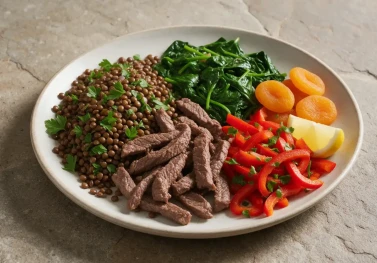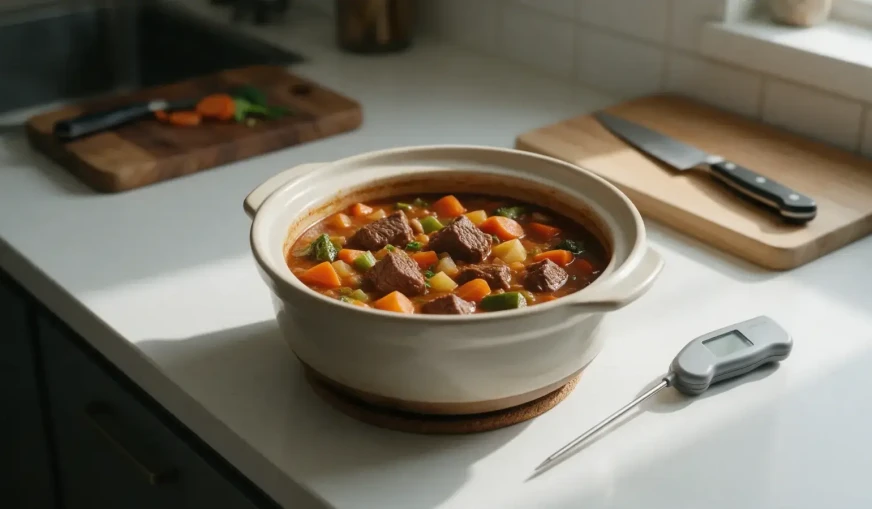
Liver and liver products are not recommended in pregnancy; because they contain a very high amount of vitamin A, they can harm the baby's development. Raw or undercooked meat, raw-meat çiğ köfte (Turkish raw meat and bulgur patties) and cured meats eaten uncooked carry infection risks such as toxoplasma and listeria, so they should not be eaten in pregnancy. Muscle meat (red meat, chicken, turkey), on the other hand, can be eaten safely when thoroughly cooked so that no pinkness remains inside.
In Turkish cooking, pan-fried liver, kokoreç (grilled seasoned lamb intestines), tripe soup, çiğ köfte, sucuk (Turkish spiced sausage) and pastirma (Turkish cured beef) are much-loved flavours; which of them can and cannot be eaten in pregnancy is a frequent question. In this article I go through each one, then the safe rules for eating meat in pregnancy and alternative sources of iron.
- Liver and products such as liver pâté are not recommended in pregnancy because of their high vitamin A.
- Raw or undercooked meat carries a risk of toxoplasma; meat must always be thoroughly cooked.
- Dried or fermented meats such as sucuk, salami and pastirma should be eaten only when cooked until piping hot.
- With offal such as kokoreç and tripe, hygiene and thorough cooking are hard to guarantee, so it is safer to stay away from them in pregnancy.
- For iron, choose well-cooked red meat, chicken, fish and pulses rather than liver.
Why Is Liver Not Recommended in Pregnancy?
Liver contains a very high amount of the retinol form of vitamin A, and too much retinol in pregnancy has been linked with developmental problems in the baby. For this reason the NHS advises avoiding liver and products containing liver, such as liver pâté, in pregnancy.
The fact that liver is rich in iron can lead to it being eaten in pregnancy on the thinking that it is “good for anaemia”. Yet the iron needs of pregnancy can be met without the risks of liver, with well-cooked red meat, chicken, fish and pulses. For the same reason, you should not use vitamin supplements containing retinol and fish liver oil products without asking your doctor.
Can You Eat Kokoreç, Tripe and Other Offal?
I do not recommend making offal such as kokoreç, tripe, kidney, heart and brain part of your menu in pregnancy. With these products, cleanliness, storage and thorough cooking are much harder to guarantee than with muscle meat, and they have no additional nutritional benefit for pregnancy.
The table below summarises products often asked about in Turkish cooking from the point of view of pregnancy.
| Product | Status in pregnancy | Why? |
|---|---|---|
| Pan-fried liver, liver kebab, Albanian-style liver (arnavut ciğeri) | Not recommended | Very high vitamin A (retinol) |
| Liver pâté, pâtés containing liver | Not recommended | High vitamin A; listeria risk in products eaten cold |
| Kokoreç | Safer to stay away | Hard to guarantee the cleaning of the intestines and thorough cooking |
| Tripe soup (işkembe çorbası) | Safer to stay away | Hard to trust the hygiene of cleaning and preparation |
| Brain, kidney, heart | Frequent eating not recommended | Hygiene and cooking cannot be guaranteed; no extra benefit over muscle meat in pregnancy |
| Çiğ köfte with raw meat, steak tartare, carpaccio | Should not be eaten | Raw meat; toxoplasma and bacteria risk |
| Meatless çiğ köfte | Fresh, from a place you trust for hygiene | A product kneaded by hand and served with raw greens; avoid any that has been left standing |
| Sucuk, salami, sausages | Only if thoroughly cooked | Dried or fermented; listeria and toxoplasma risk |
| Pastirma | Only if thoroughly cooked | Cured raw meat; cook until piping hot, for example with eggs or in the oven |
| Döner, kebab, köfte | When well cooked | Even if the outside of the döner is cooked, make sure the inner layers are thoroughly cooked |
At Eid al-Adha (Kurban Bayramı) or on special days it can be hard to politely turn down offerings such as fried liver and liver kebab. In that case, building your plate from options served alongside, such as well-cooked meat, pilaf and salad, is an easy way of protecting both the hospitality and your pregnancy. Briefly telling the host about your pregnancy and your doctor's advice is often enough.
Why Are Raw and Undercooked Meat Risky?
Raw and undercooked meats can carry the toxoplasma parasite, which can be passed on to the baby in pregnancy, as well as various bacteria. The NHS notes that toxoplasma can cause miscarriage and serious problems in the baby, and advises avoiding raw, undercooked and cured meats in pregnancy.
The listeria bacterium can be found especially in ready-to-eat meats served cold, in pâtés and in deli products. Although listeria infection is rare in pregnancy, it can have serious consequences, so these products should either not be eaten at all or be heated until piping hot before being eaten.
These risks apply not only to meat but also to cheeses made from raw milk and to eggs that are not well cooked. You can find the full list of foods to avoid in pregnancy in the article on what not to eat during pregnancy.
How Is Meat Cooked Safely in Pregnancy?
For meat to be safe in pregnancy, no pink should remain inside, the juices should run clear, and the meat should be hot enough all over to steam. This rule matters even more with mince and köfte, because the bacteria are mixed through the meat.
- Separate equipment: Use a separate chopping board and knife for raw meat; clean surfaces that have touched raw meat straight away with hot soapy water.
- Do not wash meat: Splashing water droplets can spread bacteria around the kitchen; adequate cooking kills the bacteria anyway.
- Do not taste: Do not taste köfte mixture or marinated meat while it is raw.
- Defrosting: Defrost frozen meat in the fridge, not on the worktop.
- Eating out: Ask for meat “well done” at a restaurant; send back meat that looks pink when cut.
- Hand hygiene: Always wash your hands with soap after touching raw meat.
You can look at my article on eating meat at Eid al-Adha (Kurban Bayramı) for detailed advice on storing and cooking in periods such as the festival when meat consumption rises.
What Should You Watch When Buying and Storing Meat?
Safe meat eating begins before you enter the kitchen, at the shop. The source of the meat, keeping the cold chain and storing it correctly at home are as important as cooking.
- Buy meat from butchers or supermarkets whose hygiene you trust, from the chilled cabinet; avoid products left out in the open.
- On packaged products, check the use-by date and that the packaging is intact.
- Buy meat last when shopping and put it in the fridge as soon as you get home.
- Store raw meat on the bottom shelf of the fridge in a leak-proof container, apart from cooked and ready-to-eat foods.
- Cook mince on the same day or the next; if you will not use it straight away, portion and freeze it.
- Do not leave cooked meat dishes at room temperature for long; put them in the fridge when they have cooled, and when reheating make sure they are thoroughly hot all over.
If you cannot be sure how meat has been cooked when eating at someone's house or out, turning to safer options such as vegetable dishes, pulses and well-cooked chicken is a practical solution.
What Should You Eat for Iron in Pregnancy Instead of Liver?
You do not need liver to meet your iron needs in pregnancy; well-cooked red meat, chicken thigh, fish, eggs and pulses are safe and valuable sources. Eating plant sources together with vegetables and fruit containing vitamin C raises absorption.
- Well-cooked red meat or vegetable dishes with mince a few times a week
- Lentil, chickpea and dried bean dishes, with a salad with lemon alongside
- Low-mercury fish twice a week; I explained which fish are safe in the article on which fish can be eaten during pregnancy
- Hard-cooked eggs, spinach, chard and wholegrains
You can look at the article on iron deficiency and anaemia in pregnancy for details on diet during iron deficiency and supplements.
What Should I Do If I Accidentally Ate Raw Meat or Liver?
Accidentally eating undercooked meat or a portion of liver once should not usually cause panic; but it is important to tell your doctor at your next check-up. Your doctor may ask for further tests if they think it necessary.
If fever, shivering, muscle aches, diarrhoea, vomiting or flu-like symptoms develop, see your doctor without waiting; in pregnancy these symptoms can be a sign of a food-borne infection. A drop in the baby's movements or bleeding always needs urgent assessment.
To plan meat and protein sources safely in pregnancy and to build a nutrition routine specific to you, in line with your obstetrician's advice, you can look at my page on nutrition counselling for pregnancy.
Sources
This article is for general information only; please consult your doctor and dietitian about your own situation.
Frequently Asked Questions
Can you eat chicken liver in pregnancy?
Chicken liver, like other livers, contains a high amount of vitamin A and is not recommended in pregnancy. Chicken thigh, red meat, fish and pulses are safer options for iron and protein.
Can you eat kokoreç in pregnancy?
With kokoreç it is hard to guarantee that the intestines have been cleaned and thoroughly cooked. Staying away from kokoreç is a safer choice so as not to raise the risk of infection in pregnancy.
Can you eat eggs with pastirma in pregnancy?
Because pastirma is a cured raw meat, it should not be eaten raw in pregnancy. With eggs it can be eaten when both the egg and the pastirma are fully cooked and heated until piping hot; keep the amount limited because of its high salt content.
Can you eat döner in pregnancy?
Well-cooked döner can be eaten; but even if the outside of the döner looks cooked, the inner layers may not be cooked enough. Choose freshly cut, well-cooked parts from places you trust for hygiene, and make sure the raw vegetables alongside have been washed well.
Can you have tripe soup in pregnancy?
It is hard to guarantee the cleaning, storage and preparation hygiene of tripe. In pregnancy it is safer to prefer lentil, chicken broth or vegetable soups prepared at home instead.
Book an appointment for a personalised pregnancy nutrition plan
Nutritional needs in pregnancy change with the week of pregnancy, weight change and test results. Message us for a plan that fits your doctor's advice.

This content is for information only. For a personalised nutrition programme, please consult a dietitian.