

Pregnancy Nutrition
Personal nutrition support through every trimester, planned around your test results and routine, in line with your obstetrician's advice.
A personalised heart-healthy eating plan, based on the DASH approach, to support your cardiologist's treatment for blood pressure and cholesterol.
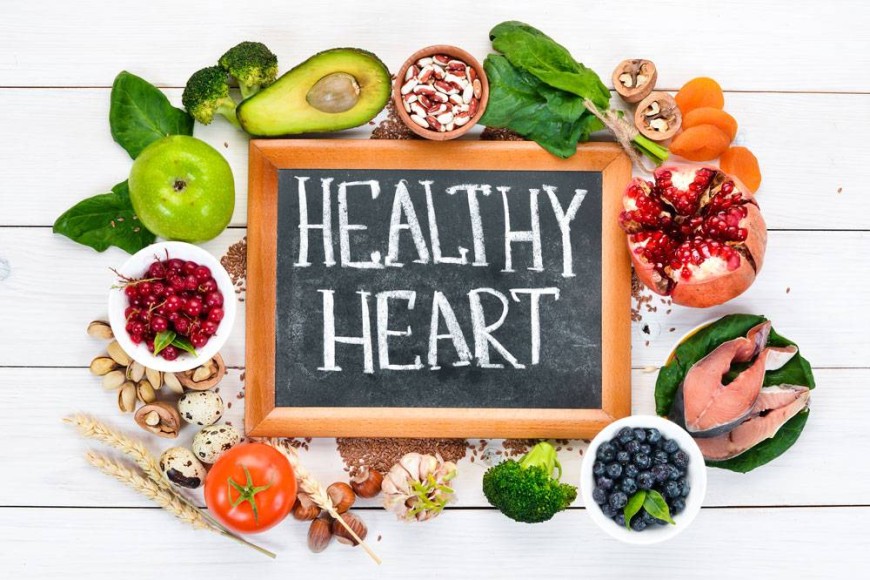
Cardiovascular disease, the group of conditions affecting the heart and blood vessels, remains one of the most common causes of death worldwide. Some risk factors, such as age, sex and family history, cannot be changed. Many others can: smoking, physical inactivity, an unbalanced diet, high alcohol intake, poor sleep and ongoing stress. Research consistently shows that people who follow several healthy lifestyle habits together have a markedly lower risk. Nutrition is one of the most practical places to start.
What matters most is your overall eating pattern rather than any single "superfood". A heart-healthy pattern can help your doctor's treatment for high blood pressure, raised LDL cholesterol, high triglycerides and related conditions such as metabolic syndrome. It can also support a healthy body weight, which further reduces strain on the heart. Nutrition works alongside, never instead of, the medication and follow-up planned by your cardiologist or GP.
In my practice I often build plans on the DASH diet (Dietary Approaches to Stop Hypertension), an eating pattern with strong evidence for lowering blood pressure and LDL cholesterol. DASH is rich in foods that provide potassium, calcium, magnesium and fibre, and it limits sodium, saturated fat and added sugar. It typically includes:
Portion numbers depend on your energy needs, so the plan is calculated for you rather than copied from a generic chart. Many principles of the Mediterranean diet fit well with DASH, and we often combine the two.
We start by reviewing your diagnosis, blood pressure readings, lipid profile, medications and eating habits. I then prepare a personal plan and we review it at regular follow-ups, together with any new results from your doctor. Sessions are available in person at the Ataşehir office in Istanbul or online by video call in English, for clients in the UAE, Qatar and elsewhere. For other conditions, see medical nutrition therapy. Results vary from person to person.
Diet can help, but whether you need medication is your doctor's decision. Please never stop or change medication without medical advice.
No. The aim is to reduce sodium, mostly by cutting back on processed and salty foods, to the level your doctor recommends.
Yes, once your cardiologist has cleared you; the plan is adapted to your treatment and any other conditions.
To start a heart-healthy plan, get in touch via the contact page or on WhatsApp.
Fill in the form and we will get back to you.
This content is for information only. For a personalised nutrition programme, please consult a dietitian.
Personal nutrition support through every trimester, planned around your test results and routine, in line with your obstetrician's advice.

Work with an English-speaking specialist dietitian by video call from anywhere: personal plans adapted to where you live, with weekly follow-up.

A personalised, habits-first weight management plan with a specialist dietitian, online in English or in person in Istanbul.