

Pregnancy Nutrition
Personal nutrition support through every trimester, planned around your test results and routine, in line with your obstetrician's advice.
A personalised eating plan for fatty liver disease that supports gradual, healthy weight change and your doctor's treatment.
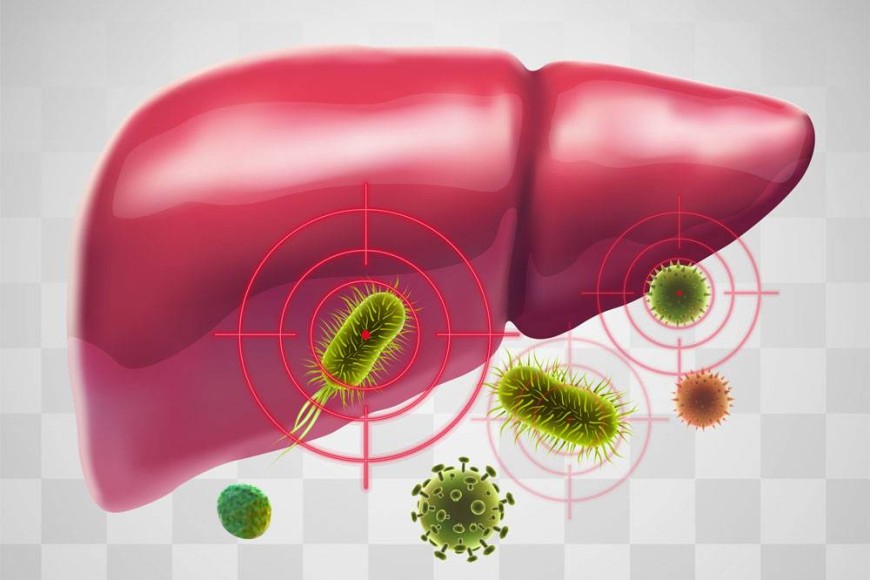
Your liver carries out many essential jobs: it produces protein, cholesterol and bile, stores vitamins, minerals and carbohydrate, and breaks down substances such as alcohol and medications. Fatty liver disease develops when excess fat builds up in liver cells. It is often first noticed through raised liver enzymes (ALT and AST) on a blood test and then confirmed by ultrasound. Lifestyle and nutrition are central to its management, always alongside your doctor's assessment and follow-up.
Fatty liver is very common: around a quarter of adults worldwide are thought to be affected, and the rate is much higher among people living with overweight or obesity. Key risk factors include excess abdominal fat, insulin resistance and type 2 diabetes, high blood lipids, high alcohol intake and some medications. A diet high in added sugar, including large amounts of fruit juice and sweetened drinks, can also contribute.
For people with overweight, gradual and moderate weight loss is one of the most effective lifestyle measures for fatty liver. Rapid weight loss is not the goal; a steady, sustainable change is safer and easier to maintain. A typical plan focuses on:
Studies suggest that closer adherence to a Mediterranean-style diet is associated with lower ALT levels and less insulin resistance in people with fatty liver, which is why it is often the basis of my plans.
Vegetables such as artichokes and leafy greens, berries rich in antioxidants (blueberries, cranberries), whole grains, legumes, oily fish, olive oil and nuts all fit well. Coffee without added sugar also appears in research as compatible with liver health for many people. Herbal supplements such as milk thistle are sometimes discussed, but please talk to your doctor before taking any supplement, especially if you take other medications.
We review your liver test results, ultrasound report, other conditions, medications, eating habits and routine. Your plan is then built around realistic changes, and we track your progress and new test results at regular follow-ups. You can work with me in person at the Ataşehir office in Istanbul or online in English from Dubai, Abu Dhabi, Doha or elsewhere. If weight management is your main goal, see also weight loss. Results vary from person to person.
For many people, lifestyle changes including nutrition, activity and gradual weight loss can improve liver fat and enzyme levels. Your doctor will monitor this with follow-up tests.
No. Whole fruit in sensible portions is part of a healthy plan; it is fruit juices, sweetened drinks and very large amounts of fruit that we limit.
There is no good evidence for detox products. A balanced eating pattern and your doctor's treatment are what support your liver.
To book a session, use the contact page or send a message on WhatsApp.
Fill in the form and we will get back to you.
This content is for information only. For a personalised nutrition programme, please consult a dietitian.
Personal nutrition support through every trimester, planned around your test results and routine, in line with your obstetrician's advice.

Work with an English-speaking specialist dietitian by video call from anywhere: personal plans adapted to where you live, with weekly follow-up.

A personalised, habits-first weight management plan with a specialist dietitian, online in English or in person in Istanbul.