What Is Palm Oil?
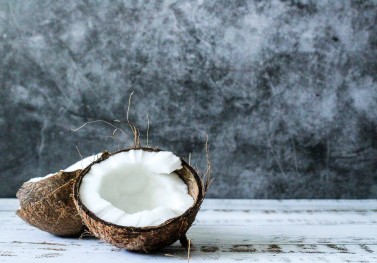
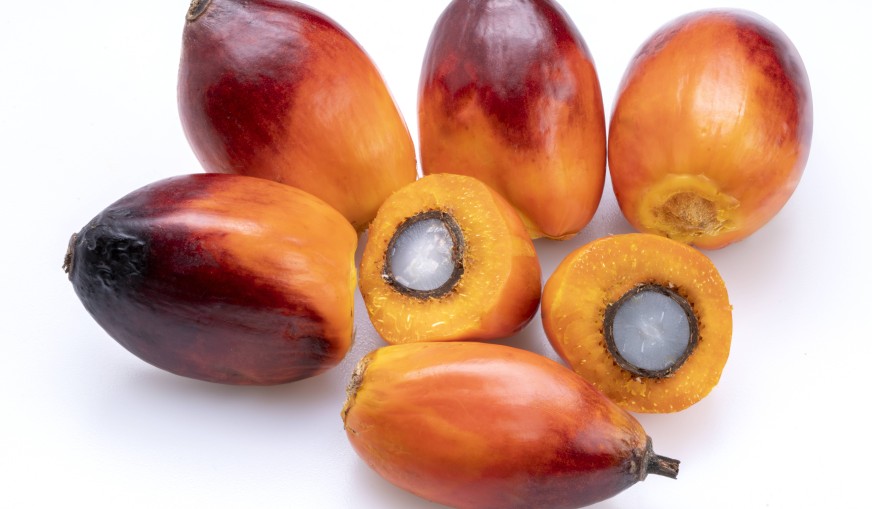
Palm oil has been cultivated for more than 5,000 years. Today palm oil is the most widely used vegetable oil in the world. Obtained from the fruit of the oil palm, it is reddish because of the high carotene content of the fruit. The fruit of this tropical palm contains about 30-35% fat in total. Like coconut oil, palm oil is semi-solid at room temperature.
 Why Is Palm Oil So Popular?
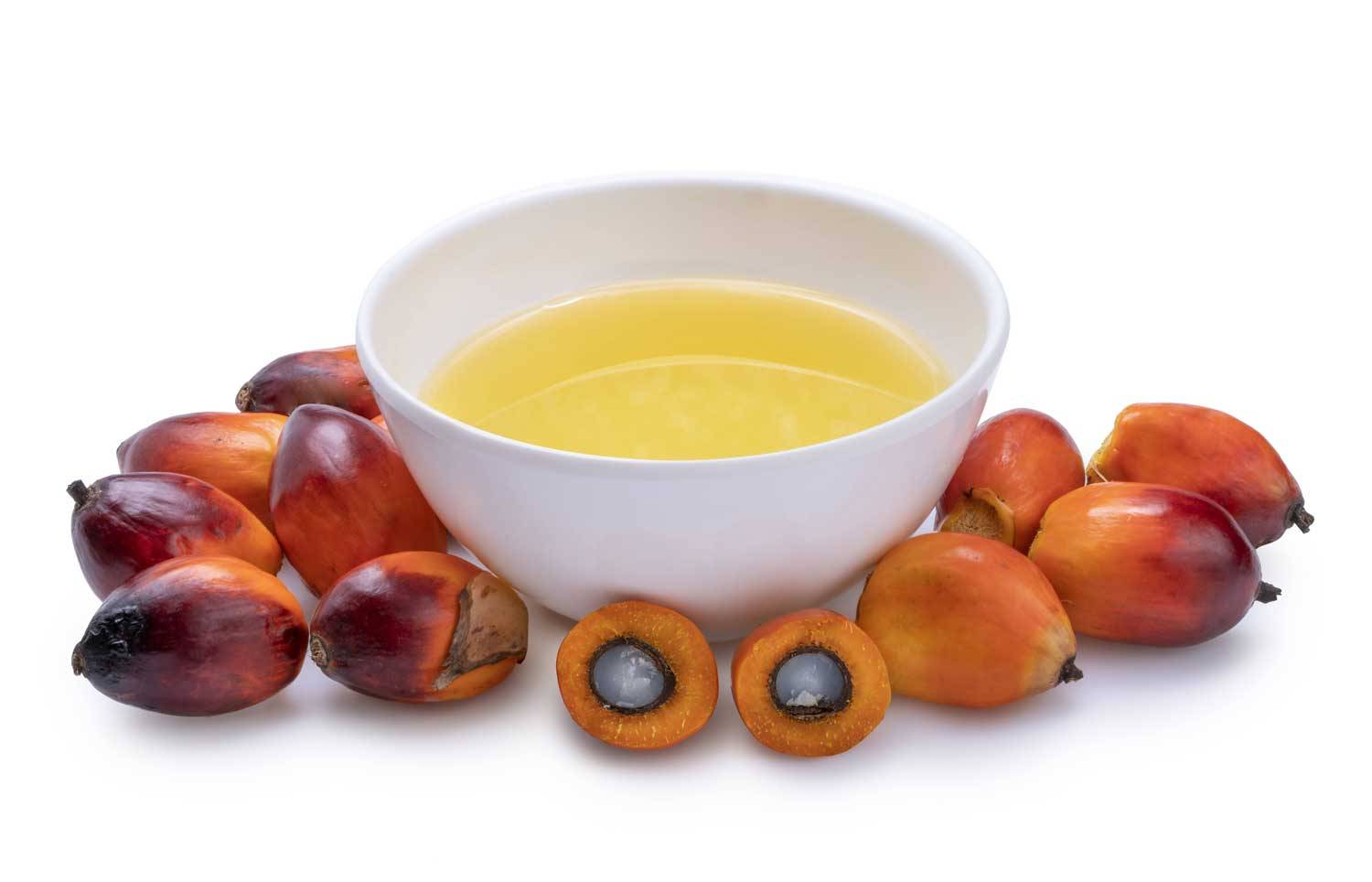
The most important reason palm oil is one of the popular oils today, making up about a third of global vegetable oil production, is that it is the cheapest plant-based oil in the world.
Should You Avoid Palm Oil?
Today the consumption of palm oil is questioned on various grounds. On one hand, its composition raises discussion about heart and vascular health and possible carcinogenic effects; on the other, possible contaminants formed during refining raise food safety questions; and finally, there is debate about how it is grown in producing countries and its sustainability.
How Is Palm Oil Used?
Palm oil belongs to the group of edible oils. It is used for cooking and is also added to many ready-made foods on supermarket shelves. Thanks to its consistency, palm oil, which is rich in saturated fats (SFA), can be said to improve many properties of food. It helps release the taste and aroma of food and contributes to the feeling of fullness.
Why Palm Oil Is Included in the Composition of Processed Foods:
Palm oil is used in the food industry for various purposes: frying, margarines (puff pastry, croissants), sauces, fillings and others (premixes, emulsifiers).
- Thanks to a melting point close to 37 °C, it melts on the palate when eaten, creating an effect that cannot be achieved with any other oil.
- In addition to flavour and structure, the high stability of this oil in frying removes the need for antioxidant food additives.
- Another notable factor is the versatility of palm oil. It is used to achieve textures that cannot be had with other liquid or solid fats, such as in croissants and puff pastry. For example, ice cream was first made with milk fat, which was gradually replaced by coconut oil, and a few years later by palm oil.
In recent years, however, some producers are turning to coconut oil because the use of palm oil continues to be questioned.
Nutritional Composition
The nutritional content of one tablespoon (14 g) of palm oil:
- Calories: 114
- Fat: 14 g
- Saturated fat: 7 g
- Monounsaturated fat: 5 g
- Polyunsaturated fat: 1.5 g
- Vitamin E: 11% of the RDI
All the calories in palm oil come from fat. The fatty acid breakdown is 50% saturated, 40% monounsaturated and 10% polyunsaturated fatty acids. It also contains vitamin E, and red palm oil contains antioxidants called carotenoids, which your body can convert to vitamin A.
Effects on Health
Palm oil and vitamin A: Studies have shown that palm oil may help improve vitamin A status in people who are deficient in vitamin A or at risk of deficiency. Research on pregnant women in developing countries has shown that eating red palm oil increased vitamin A levels in their blood and in their breastfed babies. One study found that people with cystic fibrosis, who have difficulty absorbing fat-soluble vitamins, had a rise in blood vitamin A levels after taking two to three tablespoons of red palm oil a day for eight weeks. Red palm oil has also been shown to help raise vitamin A levels in adults and young children. Vitamin A deficiency should be assessed and managed by a doctor.
 Palm Oil and Heart Health
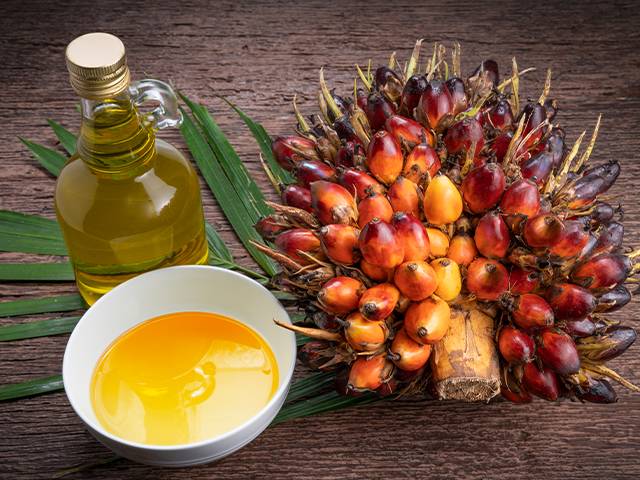
Palm oil can generally be said to be one of the plant-based oil sources. Palm oil contains no cholesterol. Some research has presented a link between palm oil consumption and cardiovascular health problems, but recent reviews have not found truly solid scientific evidence for this. There is no evidence of a link between palm oil consumption and the risk of death from cardiovascular disease.
In the 1980s, because of concerns that eating tropical oils could put heart health at risk, trans fats replaced palm oil in many products, but after research revealed the health risks of trans fats, food producers returned to palm oil.
Palm oil may raise certain heart disease risk factors in some people. Heating the oil repeatedly can reduce its antioxidant capacity and may contribute to the development of heart disease.
Some study results have suggested that palm oil lowers "bad" LDL cholesterol and raises "good" HDL cholesterol and may have beneficial effects on heart disease risk factors; coconut and palm oil raise HDL more than other vegetable oils.
Palm Oil and Cancer Risk
At present there is no scientific evidence of a link between palm oil intake and the development of cancer.
EFSA found that certain contaminants in palm oil could increase cancer risk. The oil is heated when palm oil is added to foods and related products, and heating and contaminants may create a carcinogenic effect.
Another view comes from the World Health Organization (WHO), which has described it as a "hazard", but to conclude that such a danger actually exists, a proper and transparent "case-by-case" risk assessment is needed. The effects on health of these technologically produced chemical contaminants are still a matter of debate.
This article is for general information only; please consult your doctor and dietitian about your own situation.
Book an appointment for a personalised nutrition plan
The information in this article is general; what you need depends on your age, health and goals. Message us and we will build the plan that suits you together.

This content is for information only. For a personalised nutrition programme, please consult a dietitian.