

Pregnancy Nutrition
Personal nutrition support through every trimester, planned around your test results and routine, in line with your obstetrician's advice.
A kidney-friendly eating plan built with your nephrologist's results: protein, potassium, phosphorus, salt and fluid tailored to you.
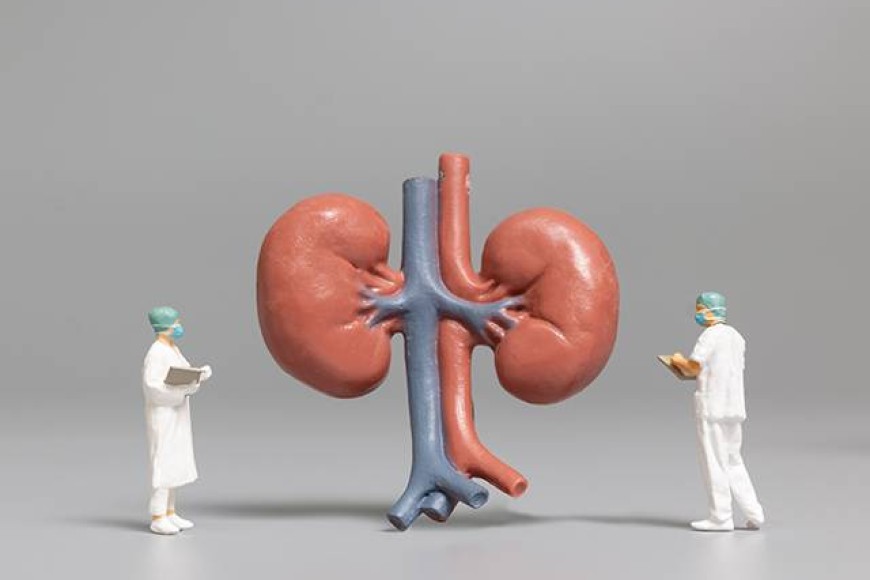
Your kidneys filter waste products and excess water from the blood, balance salt, potassium and acidity, help control blood pressure, support red blood cell production and activate vitamin D. When the kidneys are damaged, often as a result of diabetes or high blood pressure, these functions are affected and the right eating pattern becomes an important part of care. Kidney nutrition is highly individual, so it is always planned together with your nephrologist's diagnosis and lab results.
Kidney disease can progress quietly until symptoms such as tiredness, poor concentration, sleep problems, low appetite, muscle cramps, puffiness around the eyes, dry skin or frequent night-time urination appear. Nutrition aims to reduce the workload on the kidneys, help keep blood pressure, blood sugar and lipids in the range your doctor is targeting, prevent malnutrition and manage minerals that can build up in the blood.
There is no single renal diet. The right amounts depend on the stage and type of kidney disease, whether you have dialysis, your other conditions and your latest blood and urine results. We individualise:
Because these limits change over time, I adjust the plan whenever new lab results come in. Please do not restrict protein, potassium or fluids on your own based on general advice.
A healthy lifestyle helps prevent many of the underlying causes of kidney disease: managing diabetes, choosing a heart-healthy diet rich in vegetables, whole grains and low-fat dairy, cutting down on salt, limiting alcohol, stopping smoking, staying active and reaching a healthy body weight. If you also have high uric acid, see gout nutrition.
We start with your nephrologist's report, recent blood and urine tests, medications, other conditions and eating habits. I then prepare a practical plan with food lists and meal ideas that fit your culture and routine, and we review it at regular follow-ups. Sessions are available in person at the Ataşehir office in Istanbul or online by video call in English. For an overview of other conditions, see medical nutrition therapy. Results vary from person to person.
Not necessarily. Protein needs depend on your stage of kidney disease and whether you have dialysis; people on dialysis often need more protein, not less. Your plan follows your nephrologist's guidance.
Yes. You share your lab results before each session and we meet by video call in English. Your local nephrologist remains in charge of your medical care.
Some herbs and supplements can affect the kidneys or interact with medications. Always ask your doctor before taking them.
To book a session, use the contact page or send a message on WhatsApp.
Fill in the form and we will get back to you.
This content is for information only. For a personalised nutrition programme, please consult a dietitian.
Personal nutrition support through every trimester, planned around your test results and routine, in line with your obstetrician's advice.

Work with an English-speaking specialist dietitian by video call from anywhere: personal plans adapted to where you live, with weekly follow-up.

A personalised, habits-first weight management plan with a specialist dietitian, online in English or in person in Istanbul.