
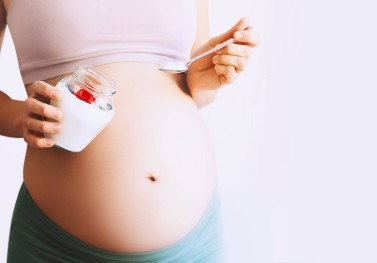
Pregnancy Nutrition
Personal nutrition support through every trimester, planned around your test results and routine, in line with your obstetrician's advice.
Prepare your body for pregnancy with a balanced eating plan, a healthy weight range and good nutrient stores, in line with your doctor's advice.

The months before you conceive are a valuable time to prepare. Research increasingly shows that a woman's nutrition and weight before pregnancy influence both her own health and her baby's development. Preconception nutrition counselling helps you build balanced eating habits, reach a healthier weight if needed and fill your nutrient stores before pregnancy begins, in line with the advice of your doctor.
During pregnancy your needs for protein, vitamins and minerals rise. Starting pregnancy with good nutrient stores, especially of folate, iron, iodine and vitamin D, makes it easier to meet those needs, particularly in the first weeks when nausea can limit what you eat. A varied diet also supports overall wellbeing for both future parents, and staying well hydrated is part of the picture.
Most people do well with three main meals and two or three snacks. Good snack options include a handful of nuts, fresh or dried fruit, yoghurt or a salad with a protein source. Include protein at every meal from meat, poultry, fish, eggs, dairy or pulses, and drink water regularly through the day. Daily movement matters too: even a regular brisk walk counts.
Folic acid is generally recommended before conception, and some women need iron, vitamin D or omega-3 as well. The type, dose and timing of any supplement should be decided by your doctor based on your blood tests. I help you make sure your diet covers as much as possible and that supplements fit alongside it.
In the first session we review your health history, recent test results, cycle and lifestyle, eating habits and goals. You then receive a personal plan, and we adjust it at follow-up sessions. You can meet me in person at the Ataşehir office in Istanbul or online by video call, in English, from abroad. See how online consultations work. Once you are pregnant, we can continue with pregnancy nutrition support.
Ideally a few months before, so there is time to adjust habits and build nutrient stores. Starting later is still worthwhile.
The plan is usually built for the mother-to-be, but a balanced diet and a healthy weight are good for both partners, and couples are welcome to join a session together.
Nutrition supports general and reproductive health, but it does not diagnose or treat infertility. If you are under fertility care, I work in line with your doctor's plan.
To book a preconception session in Istanbul or online, visit the contact page or send a WhatsApp message. Results vary from person to person.
Fill in the form and we will get back to you.
This content is for information only. For a personalised nutrition programme, please consult a dietitian.
Personal nutrition support through every trimester, planned around your test results and routine, in line with your obstetrician's advice.

Work with an English-speaking specialist dietitian by video call from anywhere: personal plans adapted to where you live, with weekly follow-up.

A personalised, habits-first weight management plan with a specialist dietitian, online in English or in person in Istanbul.