

Pregnancy Nutrition
Personal nutrition support through every trimester, planned around your test results and routine, in line with your obstetrician's advice.
A balanced, lower-purine eating pattern that supports the treatment your doctor recommends for gout, planned around your tests, routine and food culture.
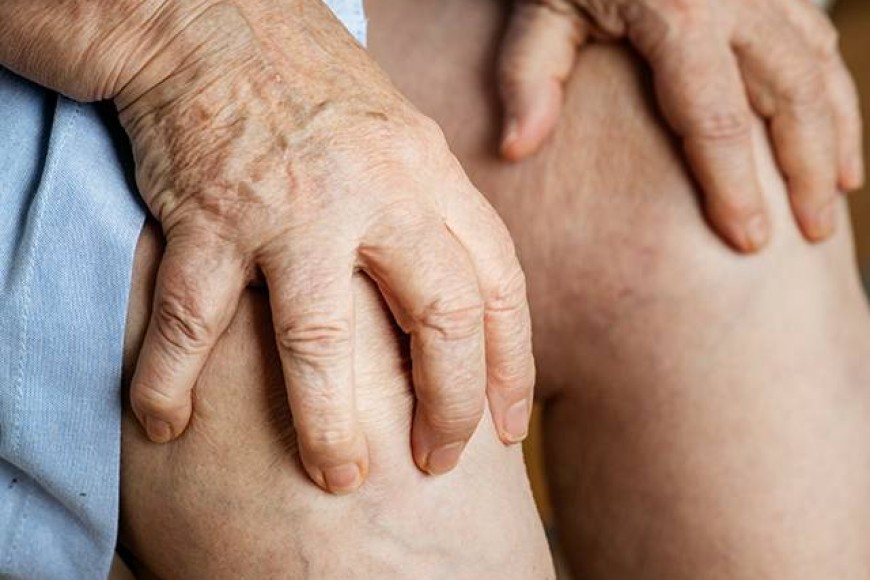
Gout is a form of inflammatory arthritis linked to high levels of uric acid in the blood. When uric acid builds up, crystals can form in and around the joints and trigger painful, swollen flare-ups. Medication prescribed by your doctor is usually the cornerstone of treatment, but what you eat and drink, your body weight and your daily habits also play a meaningful role. As a specialist dietitian, I help you build an eating pattern that supports your treatment without turning every meal into a list of forbidden foods.
Uric acid is produced when the body breaks down purines, natural compounds found in many foods and in our own cells. Levels rise when the kidneys do not clear uric acid quickly enough, when the body produces more of it, or both. A diet rich in high-purine foods, regular alcohol intake, a high intake of sugary drinks and excess body weight can all add to the load. Some medicines and health conditions also affect uric acid, which is why your doctor's assessment always comes first.
A gout-friendly plan does not have to remove all animal protein, but it does pay attention to portions and frequency. The foods most often limited are:
Moderate-purine proteins such as chicken, salmon and other fish can usually stay in your diet in planned portions. How much and how often depends on your blood results, your flare history and your doctor's advice.
Older guidance also restricted purine-containing vegetables such as spinach, cauliflower, mushrooms and peas. Current evidence suggests plant sources of purines do not raise uric acid in the same way, so these vegetables can usually be part of a balanced plan.
A gout diet is not a cure; it is a lifestyle change that can help reduce the frequency and intensity of symptoms alongside your prescribed treatment. If weight loss is part of your goals, it should be gradual. Very restrictive diets and long fasting periods can temporarily raise uric acid and may trigger a flare, so a steady, sustainable approach works better. Regular physical activity, good hydration and limiting alcohol all support the process. If you have related conditions such as high blood pressure, raised cholesterol or fatty liver, your plan takes these into account as well.
In our first session we review your medical history, recent blood tests including uric acid, the medicines you use, your typical meals and the cuisines you cook at home. Your plan is then built around familiar foods and realistic portions, and we adjust it at follow-up sessions. Sessions are available online in English for clients abroad, including the UAE and Qatar, or in person at my office in Ataşehir, Istanbul. Results vary from person to person.
Usually not. Most people can keep lean meat, poultry and fish in planned portions. The aim is to reduce high-purine foods and balance the rest of the plate with vegetables, whole grains and pulses.
No. Nutrition supports, but does not replace, the treatment prescribed by your doctor. Please do not change or stop any medication without your doctor's advice.
For many people moderate coffee intake fits into a gout-friendly plan. We look at your overall intake, sleep and any other conditions before deciding what suits you.
Keep well hydrated, avoid alcohol and high-purine foods, and follow your doctor's treatment plan. We can prepare simple, gentle meal ideas for these periods in advance.
If you would like support with gout-friendly eating, see the wider medical nutrition therapy page or get in touch to book a session. You can also message on WhatsApp.
Fill in the form and we will get back to you.
This content is for information only. For a personalised nutrition programme, please consult a dietitian.
Personal nutrition support through every trimester, planned around your test results and routine, in line with your obstetrician's advice.

Work with an English-speaking specialist dietitian by video call from anywhere: personal plans adapted to where you live, with weekly follow-up.

A personalised, habits-first weight management plan with a specialist dietitian, online in English or in person in Istanbul.