

Pregnancy Nutrition
Personal nutrition support through every trimester, planned around your test results and routine, in line with your obstetrician's advice.
Individual nutrition support for Crohn's disease during flare-ups and remission, planned alongside your gastroenterologist's treatment.
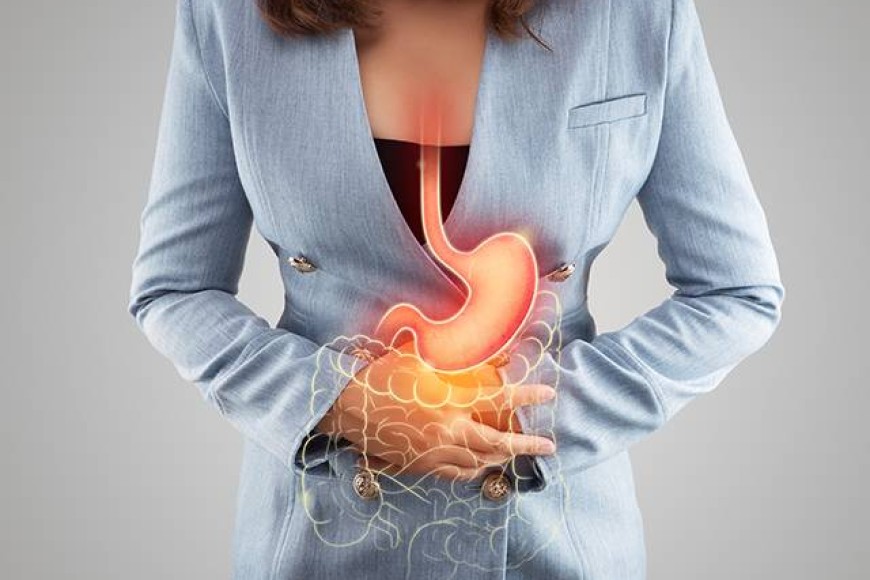
Crohn's disease is a type of inflammatory bowel disease (IBD) that can affect any part of the digestive tract, most often the end of the small intestine and the colon. Symptoms come and go: periods of active inflammation (flare-ups) alternate with calmer periods (remission). Because the disease is so individual, there is no single Crohn's diet that suits everyone. My role as a dietitian is to help you eat well enough to stay nourished, ease symptoms where food plays a part and feel more confident at the table, always alongside the treatment planned by your gastroenterologist.
Inflammation, diarrhoea, reduced appetite and some medicines can all make it harder to absorb and take in enough energy, protein, vitamins and minerals. Many people with Crohn's lose weight unintentionally or develop low iron, vitamin B12, vitamin D, zinc or folate. Some also start avoiding whole food groups out of fear of symptoms, which can make deficiencies more likely. A planned approach helps you keep the variety you can tolerate while protecting your nutritional status.
During active disease the priority is to stay hydrated and nourished while being gentle on the gut. Depending on your symptoms and your doctor's advice, this may include:
In some cases your gastroenterologist may recommend exclusive enteral nutrition (a period on specially formulated liquid nutrition). This is a medical treatment and is always planned and monitored by your medical team.
When the disease is calm, the aim is to widen your diet again. Many people can gradually reintroduce fibre-rich foods such as vegetables, fruit, oats and pulses, one at a time and in small amounts. A Mediterranean-style pattern with olive oil, fish, vegetables and whole grains is often a good base. A food and symptom diary helps us identify your personal triggers rather than cutting foods unnecessarily. We also review possible deficiencies with your latest blood tests and discuss supplements with your doctor if they are needed.
Nutrition supports, but never replaces, the treatment prescribed by your gastroenterologist. If your symptoms change or worsen, please contact your doctor first. Results vary from person to person.
We start with a detailed review of your history, test results, symptoms and eating habits, then build a flexible plan with options for both flare-ups and remission. Follow-up sessions let us adjust the plan as your condition changes. Sessions are available online in English for clients abroad, including Dubai, Abu Dhabi and Doha, or in person at my office in Ataşehir, Istanbul.
No diet has been shown to cure Crohn's disease. Food choices can help manage symptoms and prevent deficiencies, while medical treatment controls the inflammation.
Not necessarily. A temporary low-fibre approach may help during a flare or if you have strictures, but in remission most people benefit from bringing fibre back gradually, as tolerated and in line with your doctor's advice.
Some people do, for example iron, vitamin B12 or vitamin D. This depends on your blood tests and is decided together with your doctor.
Yes. We plan practical strategies for restaurants, business trips and holidays so that you can manage your diet with less stress.
For other conditions, see medical nutrition therapy. To book a session, get in touch or message on WhatsApp.
Fill in the form and we will get back to you.
This content is for information only. For a personalised nutrition programme, please consult a dietitian.
Personal nutrition support through every trimester, planned around your test results and routine, in line with your obstetrician's advice.

Work with an English-speaking specialist dietitian by video call from anywhere: personal plans adapted to where you live, with weekly follow-up.

A personalised, habits-first weight management plan with a specialist dietitian, online in English or in person in Istanbul.