

Pregnancy Nutrition
Personal nutrition support through every trimester, planned around your test results and routine, in line with your obstetrician's advice.
The Mediterranean diet is a flexible, evidence-based way of eating built on vegetables, whole grains, legumes, fish and olive oil, adapted to your own routine.
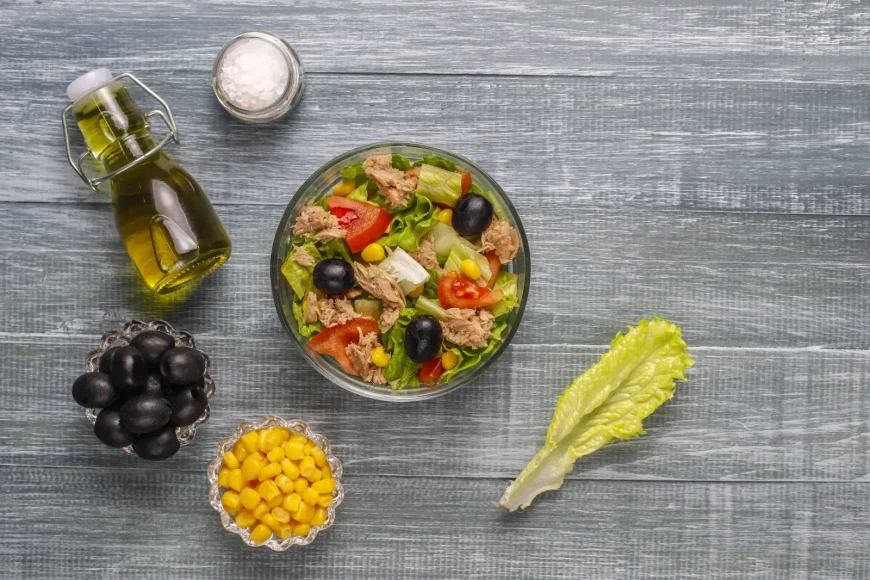
When people hear the word "diet", they often think of a strict programme that is followed for a few weeks and then abandoned. The Mediterranean diet is different: it is a pattern of eating rather than a short-term plan. It has few strict rules, it is built on everyday foods and it is easy to adapt to different cuisines, which is why it is one of the eating patterns I use most often with my clients, both in person in Istanbul and online.
The Mediterranean diet grew out of observations made in the 1950s on the eating habits and health of people living around the Mediterranean Sea. Its food culture is also recognised by UNESCO as part of the intangible cultural heritage of humanity. Rather than a list of "allowed" and "forbidden" foods, it describes a way of eating: plenty of plants, olive oil as the main fat, fish several times a week, moderate amounts of dairy and eggs, and smaller amounts of red meat and sweets.
The Mediterranean diet does not rely on special or hard-to-find foods. What matters most is food choice, cooking method and portion size. In general:
The number of meals is flexible. Some people do well with three main meals, others prefer one or two snacks as well; your plan is built around your appetite, work hours and family routine. Regular physical activity, such as walking, swimming or cycling, is also an essential part of the Mediterranean lifestyle.
For an eating pattern to be healthy it has to be adequate, balanced and sustainable. The Mediterranean diet is rich in unsaturated fats, fibre and antioxidants and includes a wide variety of foods. Research links it with better heart and blood vessel health and it is often recommended as part of the nutritional management of conditions such as cardiovascular disease, metabolic syndrome, type 2 diabetes and obesity. It is also being studied for its possible role in brain health and mood. Because it is enjoyable and does not rely on strict bans, many people find it easier to keep up over the long term, which also makes it a useful framework for weight management.
If you have a medical condition, the Mediterranean diet can support, but never replace, the treatment planned by your doctor. For condition-specific plans, see medical nutrition therapy and heart-healthy nutrition.
Portions are personal, so the example below shows food choices only:
You do not need to live by the Mediterranean to eat this way. In Dubai, Abu Dhabi, Doha or London, supermarkets offer everything the pattern needs: fresh vegetables, legumes, fish, yoghurt and good olive oil. During online consultations we look at what you can easily buy where you live, how often you eat out or order in, and how to adapt local dishes so the plan feels natural rather than imported.
Even a balanced eating pattern needs to be adjusted to your body, health history, test results and goals. As a specialist dietitian I plan your portions, meal timing and food choices, and we review the plan regularly at follow-up sessions. Results vary from person to person, so the aim is steady, realistic progress rather than quick fixes.
No. It is a general healthy eating pattern. It can be used for weight management, but many people follow it to support heart health, blood sugar control or simply to eat better.
This depends on your height, weight, sex, activity level and health status, so no fixed amount can be promised. Your plan is set up for gradual, sustainable change and adjusted at each follow-up.
Very little. Packaged and fried foods, processed meats, solid fats and sugary foods and drinks are kept to a minimum rather than banned completely.
Yes. Sessions are held in English by video call, and your plan is built around the foods available in your country.
To start a personalised Mediterranean-style plan, get in touch through the contact page or send a message on WhatsApp.
Fill in the form and we will get back to you.
This content is for information only. For a personalised nutrition programme, please consult a dietitian.
Personal nutrition support through every trimester, planned around your test results and routine, in line with your obstetrician's advice.

A balanced, lower-purine eating pattern that supports the treatment your doctor recommends for gout, planned around your tests, routine and food culture.

Intermittent fasting alternates periods of eating and fasting. It focuses on when you eat, and it suits some people better than others.