
Pregnancy Nutrition
Personal nutrition support through every trimester, planned around your test results and routine, in line with your obstetrician's advice.
A nutrition plan built around your sport, training load and goals, to support energy, performance and recovery.
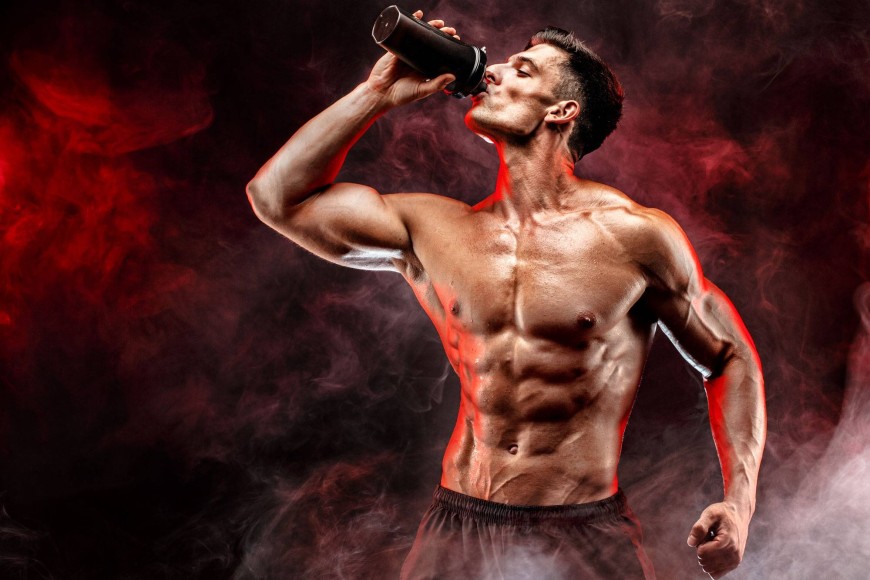
Whether you train for a marathon, play team sports, lift weights or simply exercise several times a week, what and when you eat has a direct effect on how you feel and perform. Sports nutrition means matching your energy, protein, carbohydrate and fluid intake to the demands of your sport and your schedule. As a dietitian with sports nutrition training, I prepare individual plans for active adults and athletes, both online and in person in Istanbul.
Good nutrition supports training quality, recovery between sessions and overall health. Balancing energy intake with energy expenditure is essential. Eating too little over time, sometimes called low energy availability, can lead to fatigue, loss of muscle mass, menstrual irregularities, poorer bone health and a higher risk of injury or illness. Eating far more than you need can lead to unwanted weight gain. The right balance depends on your sport, body composition goals and training phase.
Meal timing is very individual, but some general principles help most people:
Fluid needs vary with body size, sweat rate, intensity and climate. Training in hot and humid conditions, such as in the Gulf summer, increases sweat losses considerably. We plan fluid and, where needed, electrolyte intake before, during and after exercise so that you can train safely and comfortably.
We look at your sport, weekly training schedule, competition calendar, current eating habits, body composition goals and any health conditions. Your plan includes practical meal and snack ideas that fit around work and training, and we review it as your training phase changes. If supplements come up, we discuss them with an evidence-based approach and in line with your doctor's advice. Results vary from person to person. Sessions are available online in English for clients abroad or in person at my office in Ataşehir, Istanbul.
Most people can meet their protein needs from food. Supplements can be practical in some situations, and we decide together whether they make sense for you.
Often, yes, with a moderate and well-timed approach that protects training quality and muscle mass. Very low-calorie diets usually work against performance. See also weight management.
No. Anyone who exercises regularly can benefit from a plan matched to their activity level and goals.
Yes, with careful planning of protein, iron, vitamin B12 and other nutrients. Read more on vegetarian nutrition.
To plan nutrition around your training, get in touch to book a session or message on WhatsApp.
Fill in the form and we will get back to you.
This content is for information only. For a personalised nutrition programme, please consult a dietitian.
Personal nutrition support through every trimester, planned around your test results and routine, in line with your obstetrician's advice.

Work with an English-speaking specialist dietitian by video call from anywhere: personal plans adapted to where you live, with weekly follow-up.

A personalised, habits-first weight management plan with a specialist dietitian, online in English or in person in Istanbul.