

Phytochemicals and Cancer
Diets rich in fruit and vegetables are linked with lower cancer risk. Read what laboratory research says about plant compounds; they are not treatments.
20 results found
Diets rich in fruit and vegetables are linked with lower cancer risk. Read what laboratory research says about plant compounds; they are not treatments.

Calcium signalling plays a role in cell processes. See what research says about calcium intake and cancer risk, and why more is not always better.

What are the symptoms of menopause, and how should you eat with hot flushes and weight gain? Nutrition advice for bone, heart and muscle health.

What are weight-loss injections, how do semaglutide and tirzepatide work, and who might they suit? Side effects and the role of nutrition during treatment.
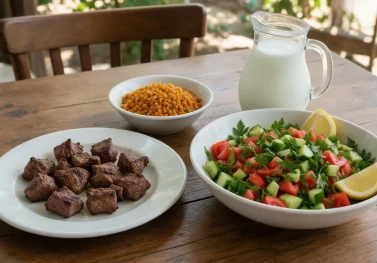
How should you store and cook meat at Eid al-Adha, and how much should you eat in one meal? Practical tips for easier digestion, from a dietitian.

The primary difference between the Mediterranean diet and the ketogenic diet lies in macronutrient distribution and sustainability.

The answer to how to overcome loss of appetite primarily depends on accurately identifying the underlying physiological or psychological causes.

Why pulses such as chickpeas, lentils, beans and peas are valuable plant protein and fibre sources, and what each variety offers as part of a balanced diet.

Coloured rice offers a different eating experience from white rice. Learn about brown, black, red and purple rice, their antioxidants and nutrients.

Brown, black, red, wild and jasmine rice compared: how they differ in colour, nutrition and uses, and which types suit a balanced everyday diet.

Why does the body need iodine? Thyroid health, pregnancy, daily recommended intakes, safety points and other uses, with guidance to check with your doctor.

Amaranth is an ancient, naturally gluten-free grain rich in protein, fibre and minerals. Learn about its nutrition, possible benefits and how to cook it.

What processed foods are, why a high intake is linked with health concerns, and which fresh, minimally processed foods to choose instead for a healthier diet.

What parsley tea is, what limited research says about weight, possible benefits, how much to drink, how to make it, and who should check with a doctor first.

What saturated fat is, which foods contain it, how it relates to LDL cholesterol and heart health, the WHO limit, and healthier unsaturated fats to choose instead.

Why vitamin D levels often drop in winter, how sunlight, food and supplements contribute, and which foods contain vitamin D, with advice to check with your doctor.

What glutathione is, its role as an antioxidant, what research says about supplements, and which foods supply the amino acids your body uses to make it.

What oedema (fluid retention) is, its signs, when swelling needs urgent medical attention, and the common factors and medical conditions that can cause it.

What white tea is, its main varieties, how it fits into a balanced eating plan, and what is known about its antioxidants and low caffeine content.

What flaxseed is, its omega-3, fibre and lignan content, what research suggests, its nutritional values and simple ways to include it in your meals.