

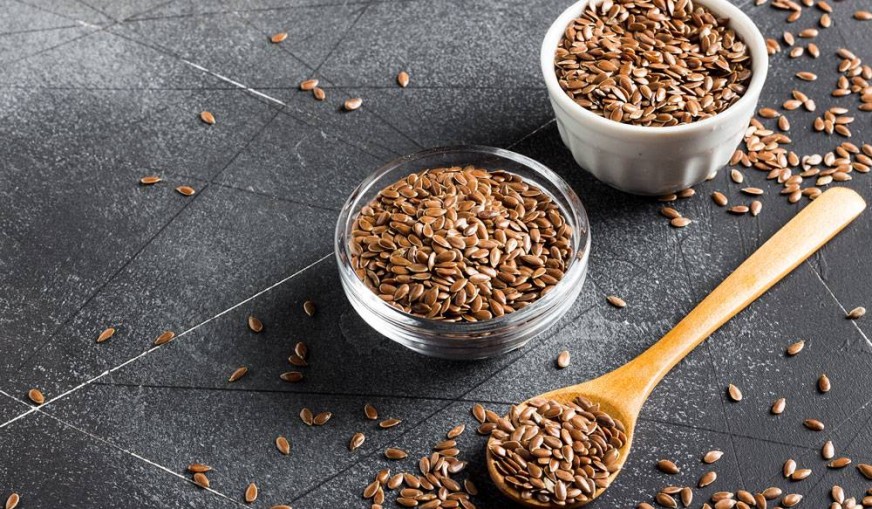
Flaxseed offers many benefits when included in meals and is also a rich ingredient for making supplements, so it falls into both the nutraceutical and functional food groups. Thanks to its vitamins and fatty acids, it is also regarded as a very nutritious food, and it is a popular choice in weight management. Including flaxseed in your eating plan can therefore be a useful part of a healthy diet.
WHAT IS FLAXSEED?
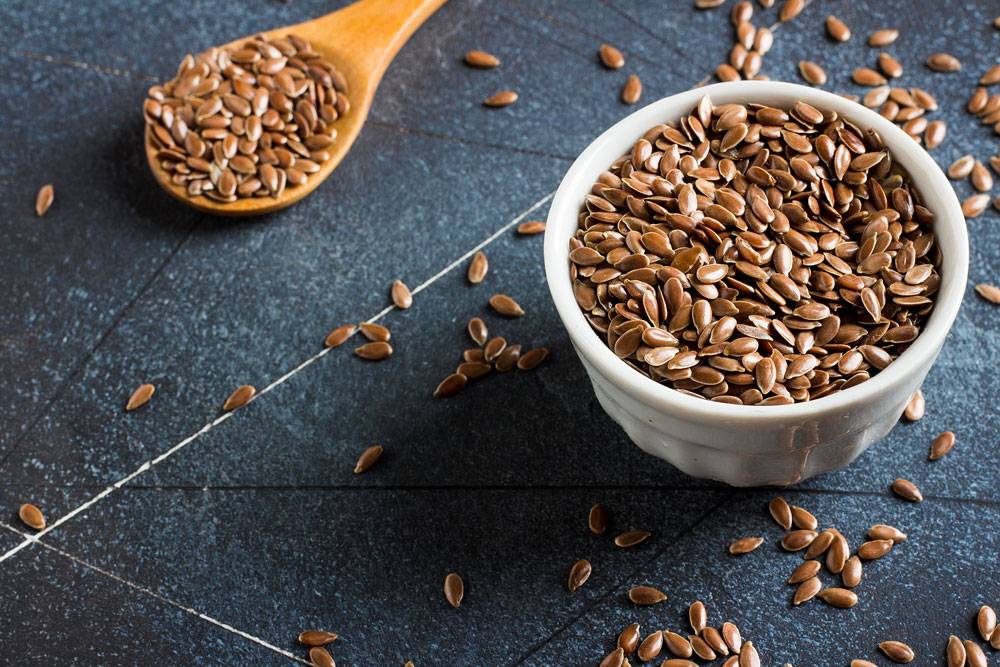 Flaxseed comes from the flax plant, Linum usitatissimum. It is rich in antioxidants and omega-3 fatty acids and is counted among the functional foods.
Functional foods meet the body's basic nutritional needs while also offering benefits for physiological and metabolic functions. In short, they can be described as foods or food components that are associated with supporting a healthier life. Flaxseed has also been discussed in research on diet and cancer, but research is still ongoing, and eating it regularly does not guarantee that any health problem will be prevented.
BENEFITS OF FLAXSEED
May Support General Health
Flaxseed is rich in antioxidants. Antioxidants help neutralise harmful molecules known as free radicals in the body, which is why they are part of a healthy diet.
Flaxseed has a high antioxidant content because it contains a lot of lignans. The husks of flaxseed are particularly rich in lignans.
Research on Cancer Risk
Research suggests that omega-3 fatty acids may have a role in the growth of different cancer cells. Flaxseed contains omega-3 fatty acids, but there is no evidence that it prevents cancer, and it should not be used as a treatment or a replacement for medical care.
May Help with Regularity
Flaxseed is a significant source of fibre that remains in the digestive system after eating. By absorbing water in the gut, it can help support regular bowel movement. When eating these seeds, however, it is important to drink enough fluid.
Because flaxseed also contains oil, it can help soften stools and make them easier to pass.
Blood Sugar
Some studies suggest that lignans and other phytoestrogens may play a role in blood sugar balance, including glucose and insulin levels and insulin sensitivity. The research is limited, and flaxseed is not a treatment for diabetes. If you have diabetes, please speak with your doctor.
Cholesterol and Heart Health
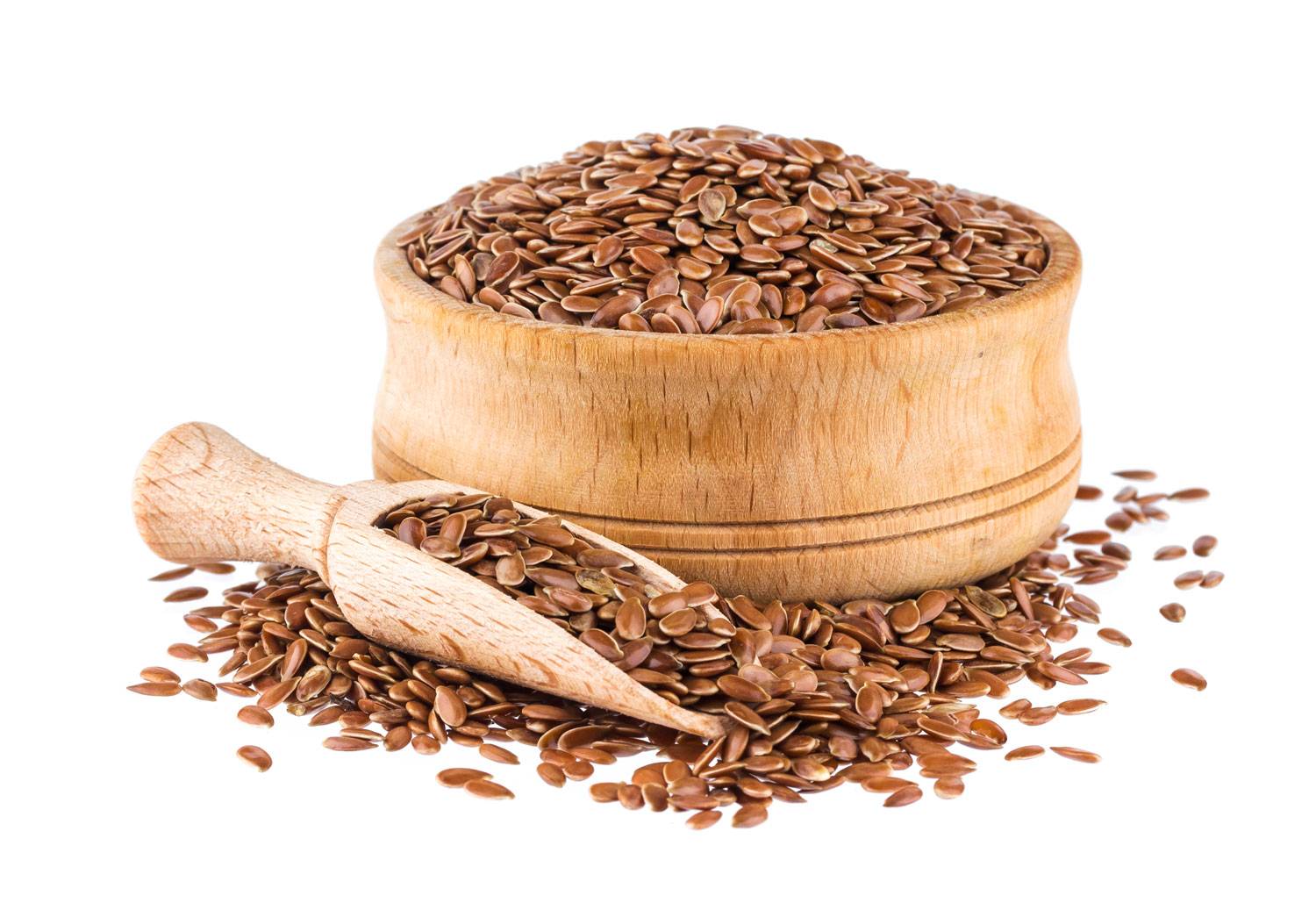 The American Heart Association recommends fibre and omega-3 intake to support heart health. Flaxseed contains both of these nutrients. It also contains phytosterols, which have been studied for their possible role in supporting healthy cholesterol levels.
Because flaxseed contains omega-3, it is associated with some of the general benefits that omega-3 may offer the body.
However, most importantly, if you have a cystic structure in the body, are being treated for breast cancer or have had breast cancer in the past, you must consult your doctor before eating it.
NUTRITIONAL VALUES OF FLAXSEED
The nutritional values of one tablespoon of ground flaxseed are as follows:
| Energy | 37.4 kcal |
| Protein | 1.28 g |
| Fat | 2.95 g |
| Carbohydrate | 2.02 g |
| Magnesium | 27.4 mg |
| Calcium | 17.8 mg |
| Phosphorus | 44.9 mg |
| Potassium | 56.9 mg |
| Folate | 6.09 mcg |
HOW IS FLAXSEED EATEN?
Flaxseed can be used as whole seeds or in oil form. After it has been ground, it should be eaten within 24 hours. It has no strong or unpleasant taste, so it is easy to include in meals.
As whole seeds
You can soak 1.5 tablespoons of flaxseed and eat it with a little yoghurt.
As a liquid
You can steep flaxseed in boiling water and drink it like tea.
Ground
You can also use flaxseed ground, but it should be eaten within 24 hours of grinding.
As oil
The most common way of using flaxseed is as an oil.
This article is for general information only; please consult your doctor and dietitian about your own situation.
Book an appointment for a personalised nutrition plan
The information in this article is general; what you need depends on your age, health and goals. Message us and we will build the plan that suits you together.

This content is for information only. For a personalised nutrition programme, please consult a dietitian.


