

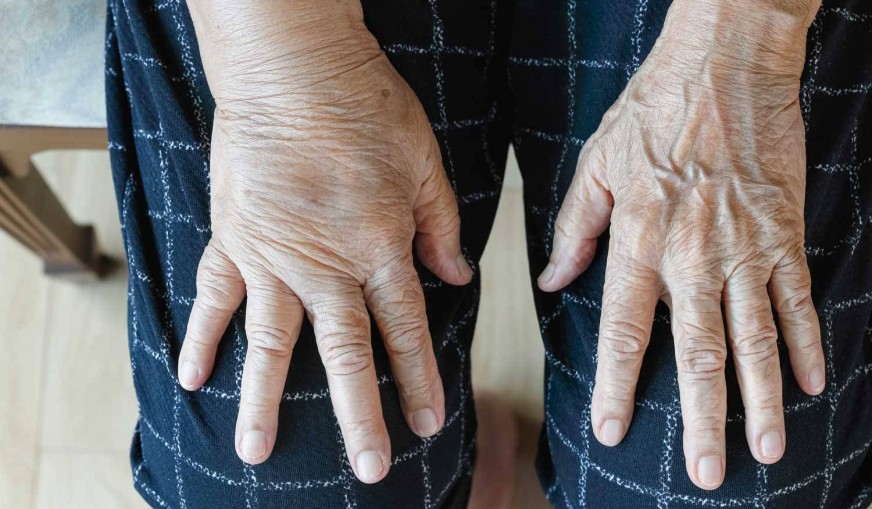
Oedema, which is typically marked by swelling of the legs, feet, arms and hands, is a health issue that can affect a small area or the whole body. It can occur for various reasons, such as pregnancy, infections and medicines.
What Is Oedema?
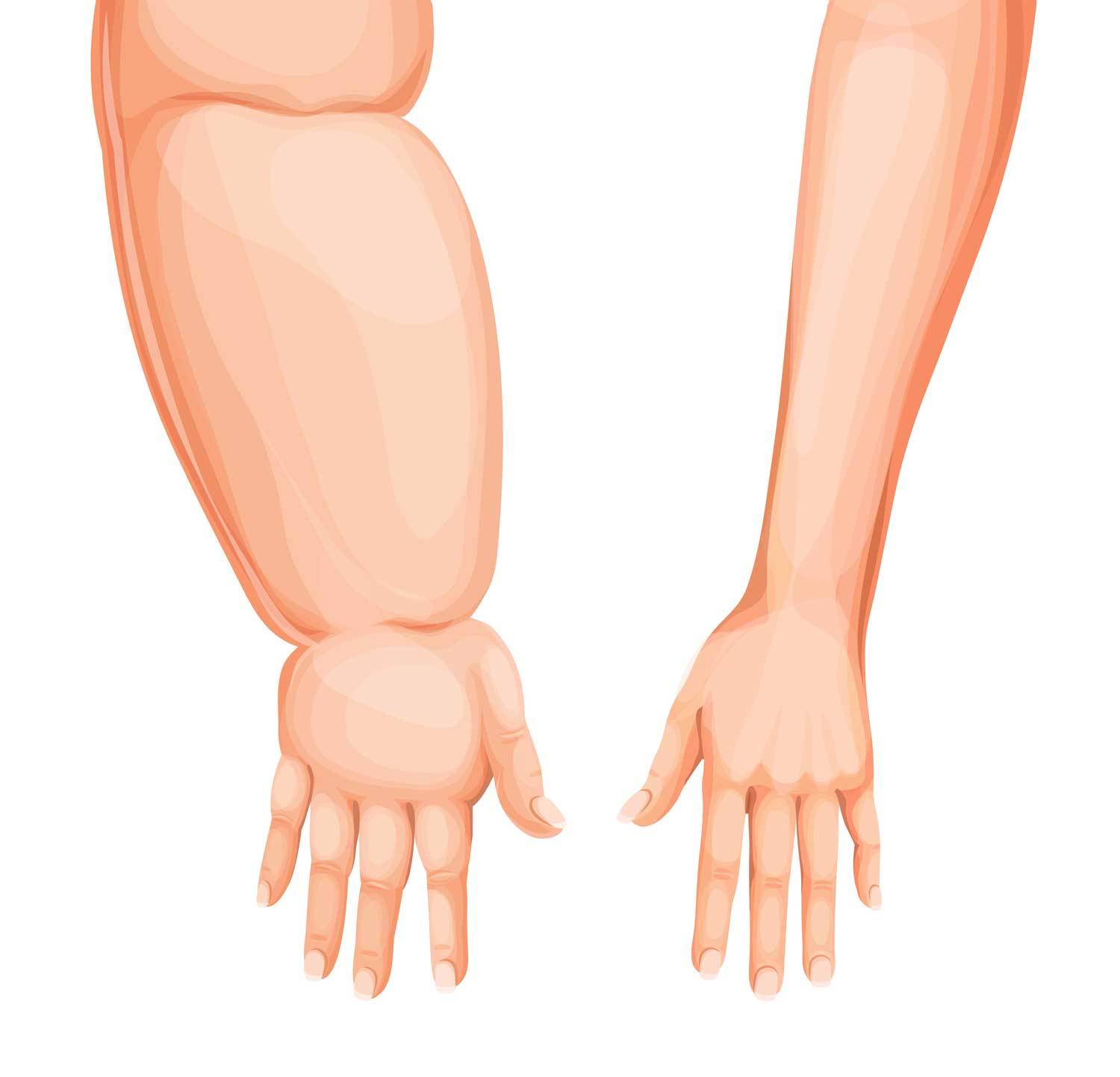
Oedema is a health issue caused by excess fluid leaking from blood vessels into the tissues. It shows up as swelling and can occur in any part of the body, though the hands, arms, feet, ankles and legs are the most commonly affected areas.
What Are the Signs of Oedema?
Oedema can cause the following signs:
- Increased abdominal size
- A dimple that stays after pressing on the swollen area for a few seconds and releasing
- Swelling under the skin in the tissues, especially in the arms and legs
- Tight, shiny skin
If you have signs of oedema and experience one or more of the following complaints, you should go to a healthcare facility without delay.
- Difficulty breathing
- Shortness of breath
- Chest pain
These signs can point to pulmonary oedema (fluid in the lungs), which needs prompt medical care.
If leg pain and swelling appear after a long period of inactivity and do not go away, deep vein thrombosis should be suspected. Deep vein thrombosis (DVT) is the presence of a blood clot in the deep veins of the legs.
Because DVT can lead to life-threatening complications such as a pulmonary embolism, it is a health issue that needs urgent medical attention.
What Factors Cause Oedema?
Oedema occurs because small blood vessels leak fluid. There are various reasons why blood vessels leak fluid.
The main factors that can cause oedema are:
- Eating too many salty foods
- Steroids
- Sitting or lying in the same position for too long
- Non-steroidal anti-inflammatory medicines
- A group of diabetes medicines called thiazolidinediones
- Pregnancy
- Hormonal changes before a period
- Blood pressure medicines
- Oestrogens
Besides these factors, oedema can also result from various medical conditions.
What Medical Conditions Can Cause Oedema?
Conditions that can cause oedema include:
- Weakness or damage in the leg veins: In people with chronic venous insufficiency, the one-way valves in the leg veins weaken. This lets blood pool in the leg veins, which causes swelling in the legs.
- Congestive heart failure: In people with congestive heart failure, the lower chambers of the heart, called the ventricles, lose their strength to pump blood effectively. Blood then builds up and causes swelling in the feet, ankles and legs. Congestive heart failure can sometimes also cause fluid to collect in the lungs, which results in shortness of breath (pulmonary oedema).
- Kidney damage: Damage to the tiny filtering blood vessels in the kidneys can lead to nephrotic syndrome. Nephrotic syndrome can lower protein levels (albumin) in the blood, lead to fluid build-up in the tissues and, as a result, cause oedema.
- Cirrhosis of the liver: Liver damage can lead to fluid build-up in the abdomen and legs.
- Damage to the lymphatic system: The body's lymphatic system helps clear excess fluid from the tissues. If this system is damaged, for example by cancer surgery, the lymph nodes and lymph vessels that drain fluid from an area may not work properly, and oedema can occur.
- Kidney disease: In people with kidney disease, fluid and sodium that cannot be passed out in the urine can cause oedema. Oedema linked with kidney disease is usually seen in the legs and around the eyes.
- Severe, long-term protein deficiency: Very low protein intake in the diet over a long period can lead to protein deficiency in the body, which can cause fluid to leak into the tissues and cause oedema. So if you are going to change your eating routine in any way, consult a nutrition specialist first.
For supporting the body in clearing fluid, some people ask about the bromelain food supplement. Please discuss this with your doctor and dietitian before using it.
Some people also ask about supportive options such as undulation and Micro Plus devices for a feeling of lightness in the body. Results vary from person to person, and these do not replace medical assessment of the cause of swelling.
This article is for general information only; please consult your doctor and dietitian about your own situation.
Book an appointment for a personalised nutrition plan
The information in this article is general; what you need depends on your age, health and goals. Message us and we will build the plan that suits you together.

This content is for information only. For a personalised nutrition programme, please consult a dietitian.


