

Our body needs various physiological and biochemical mechanisms to protect its health. Chemicals and enzymes produced by cells metabolise substances that are harmful to the body and help remove them. When cells use oxygen to produce energy, the oxygen radicals formed need to be neutralised, which matters for health. The glutathione molecule plays an important role here.
What Is Glutathione?
Glutathione works a bit like a cell's superhero. It donates electrons to free radicals, which can damage healthy cells, helping to neutralise their harmful effects. It converts harmful substances formed inside cells into water. It is also one of the body's most important antioxidants, so it has a significant role in the body's own defence systems.
What Does Glutathione Do?
Thanks to the amino acid cysteine in its structure, glutathione helps reactive oxygen radicals to bind and helps limit their harmful effects at tissue level. It is therefore among the leading antioxidants that help remove free radicals from the body. It also helps renew the enzymes that metabolise oxygen radicals, which supports how well they work.
In light of this, it is fair to say that glutathione has important roles in looking after the body's health. Research has also looked at glutathione in relation to health issues linked with oxidative stress, where reactive oxygen radicals damage tissues. Areas where it has been studied include:
- Parkinson's disease
- Hardening of the arteries
- Cardiovascular diseases
- High cholesterol
- Liver diseases such as hepatitis
- Cataract
- Rheumatoid arthritis
- Infectious diseases
- Cancer
- Alzheimer's disease
- Heart attack
- Diabetes
- Osteoarthritis
- Asthma
Research in these areas is still ongoing. Glutathione is not a treatment for any of these conditions.
Is Taking a Glutathione Supplement Helpful?
Studies have looked at glutathione or its precursor, N-acetyl cysteine (NAC), in certain health situations. Health professionals may use glutathione and its derivatives under medical supervision in specific circumstances, such as:
- Side effects related to chemotherapy
- Atherosclerosis
- Parkinson's disease
- Diabetes
- Patients receiving haemodialysis
- People who have had bypass surgery
A glutathione supplement should only be taken under a doctor's supervision. Otherwise it may do more harm than good.
What Is Glutathione Associated With?
Glutathione is studied for its role in the body's antioxidant defences. Areas of research interest include:
- Healthy ageing
- Immune function
- Mental focus
- Energy metabolism
- Muscle performance
- Skin health
- Sleep
- Joint and muscle comfort
- Cell renewal
- Oxidative stress related to smoking and alcohol
Evidence in these areas is mixed, and glutathione should not be seen as a way to achieve any of these outcomes.
How Can the Body's Glutathione Be Supported?
Factors that are associated with supporting the body's own glutathione include:
- Regular low-intensity exercise has been associated with supporting glutathione levels in the body.
- Vitamin B6, vitamin B12 and folic acid are involved in the pathways that produce glutathione.
- Precursors of glutathione, such as vitamin C and N-acetyl cysteine, are involved in its production.
- Vitamin E, alpha lipoic acid, selenium and magnesium also play a role in supporting it.
Please speak to your doctor before using any supplement.
Which Foods Support Glutathione Levels?
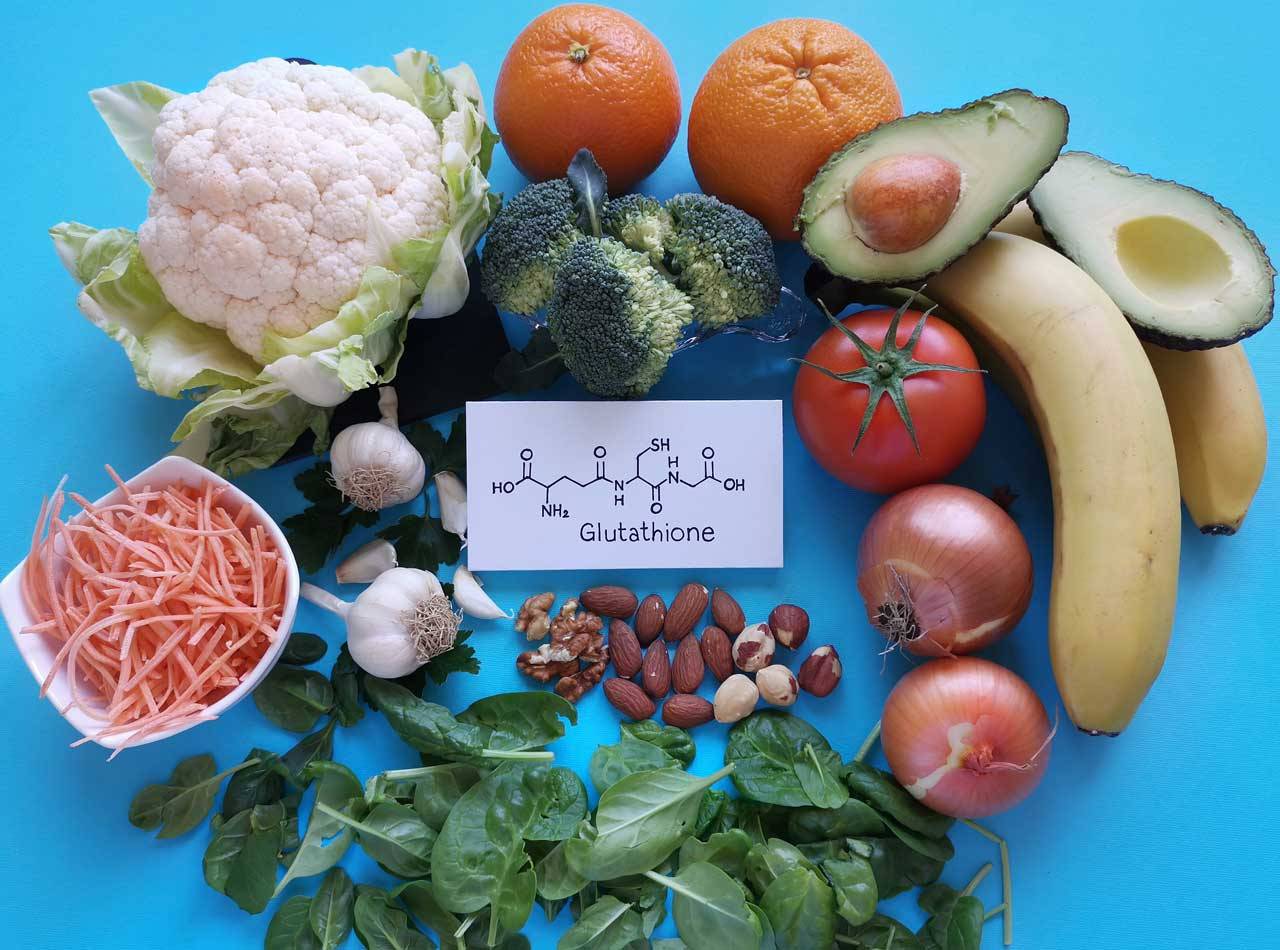
Eating a varied diet supports the amino acids the body uses to make glutathione, especially cysteine. Foods that are sources of cysteine include:
- Whey
- Garlic
- Brussels sprouts
- Grapefruit
- Onion
- Olive oil
- Cabbage
- Dill
- Sauerkraut, fermented without vinegar
- Broccoli
- Carrots
- Leeks
- Parsley
- Rocket
- Walnuts
- Pomegranate molasses
This article is for general information only; please consult your doctor and dietitian about your own situation.
Book an appointment for a personalised nutrition plan
The information in this article is general; what you need depends on your age, health and goals. Message us and we will build the plan that suits you together.

This content is for information only. For a personalised nutrition programme, please consult a dietitian.


