Cancer is a serious disease that threatens human health worldwide and has a major impact on people. According to recent data, the 5 most common types of cancer in Turkey are lung cancer, colorectal cancer, breast cancer, prostate cancer and thyroid cancer. Lung cancer is the most common cancer in men, while breast cancer is the most common in women. It has been reported that one in every 4 people under the age of 75 in Turkey is diagnosed with cancer each year.
Epidemiological data suggest that a diet rich in fruit and vegetables may lower the risk of cancer. On the basis of these findings, researchers have taken an interest in phytochemicals, chemical compounds obtained from vegetables, fruit or grains. These chemicals give a plant properties such as colour, smell, taste, defence or aroma. Because they are considered safe to eat, have a low risk of toxicity and are easy to obtain, they have been studied for many years in relation to the prevention of cancer. Research on phytochemicals obtained from natural plants is also looking at whether they could one day support cancer treatment, but this is still at the research stage and is not a treatment in itself. In recent years in particular, phytochemicals have shown promising anticancer effects in laboratory studies against different types of cancer. The most important phytochemicals used in research on the phytochemical-cancer relationship are genistein, resveratrol, curcumin, quercetin and epigallocatechin gallate. In laboratory studies, these compounds have shown suppressive effects on cancer cells.
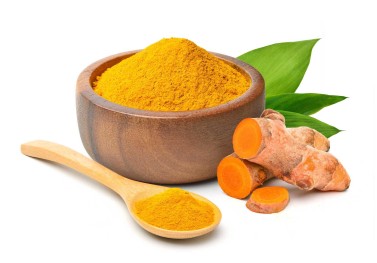
Curcumin: A compound obtained from turmeric that gives it its flavour. Curcumin, which has been used in Ayurvedic medicine for many conditions, has been reported in laboratory research to have anticancer properties. Curcumin has been observed to slow cancer cell growth and to have anti-inflammatory and antioxidant effects in several types of cancer, including rare cancers such as medulloblastoma. In some studies it has also been observed to inhibit important signalling pathways, the cell cycle and certain transcription factors, and to stimulate cell division.
Genistein: A phenolic compound obtained from soy products. There are many findings that it induces apoptosis, halts the cell cycle and blocks metastasis and angiogenesis. Because the low risk of prostate and breast cancer in Asian countries is thought to come from soy consumption, there are many studies looking at the effects of genistein on breast and prostate cancer in particular. In a number of studies, genistein showed a synergistic effect with cancer drugs such as cisplatin and doxorubicin in the laboratory.
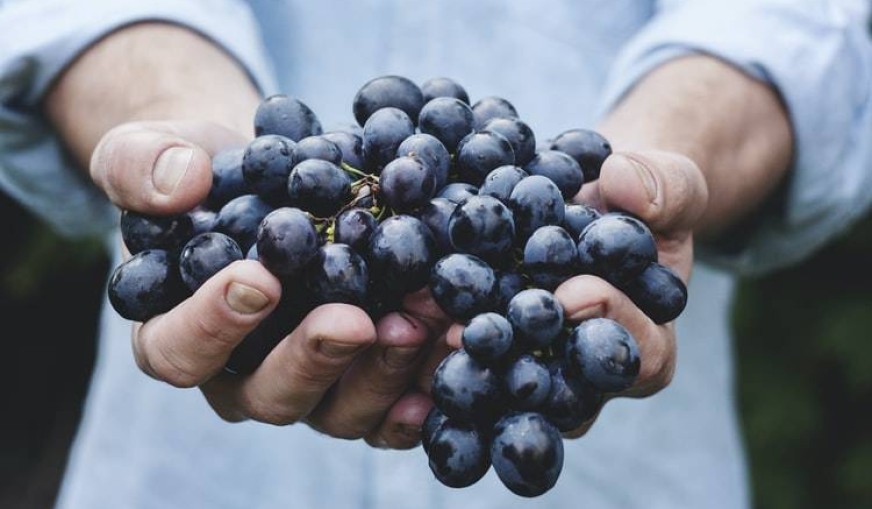
Resveratrol: A stilbene found mostly in red wine and grapes. It is thought to suppress the growth of cancer cells and carcinogenesis. It has also been observed to increase the antitumour activity of the drug rapamycin used in breast cancer, in laboratory research.
Quercetin: A flavonoid found in fruit and vegetables, with apples, onions and broccoli as its main sources. It has become an important compound in cancer research because of its effect on cardiovascular disease and its ability to scavenge free radicals in the body.
Epigallocatechin gallate: The main catechin in green tea, associated with many health benefits and so thought to have strong effects against cancer. The antitumour activity of EGCG has been shown in laboratory studies of a number of types of cancer.
These are research findings, mostly from laboratory and early studies, and not recommendations. Foods and supplements cannot replace cancer treatment, and anyone with a cancer diagnosis should speak to their oncologist before changing their diet or taking supplements.
This article is for general information only; please consult your doctor and dietitian about your own situation.
Book an appointment for a personalised nutrition plan
The information in this article is general; what you need depends on your age, health and goals. Message us and we will build the plan that suits you together.

This content is for information only. For a personalised nutrition programme, please consult a dietitian.