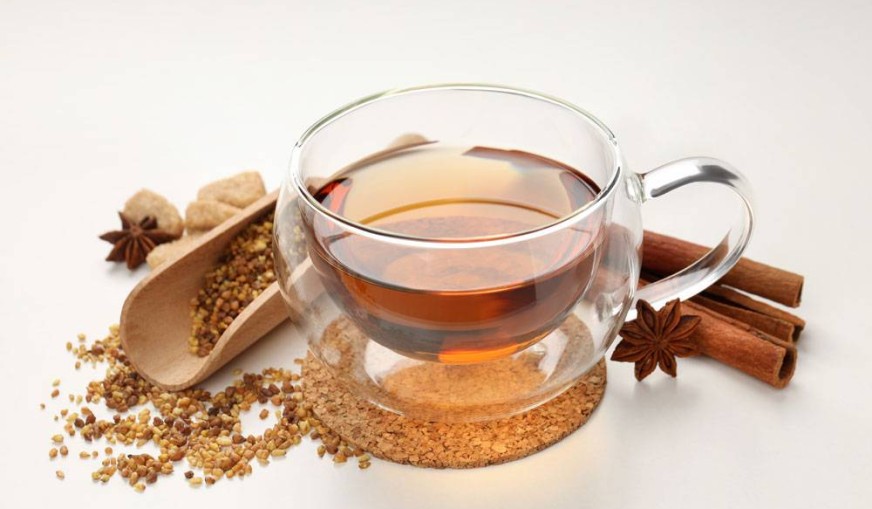
Tea is one of the drinks we consume most in daily life. Although we generally drink black tea, white tea, which comes originally from China and Taiwan, has become popular in Turkey in recent years. Its popularity comes largely from being light and often seen as a healthy choice.
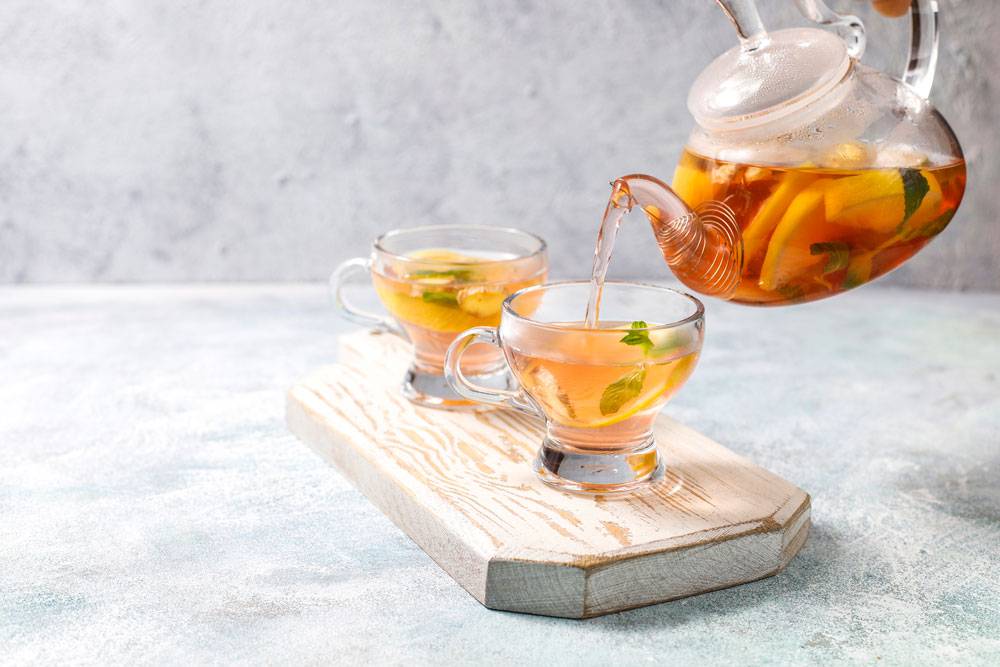
WHAT IS WHITE TEA?
White tea is made from a plant called Camellia sinensis. It is among the delicate teas because it goes through very little processing. For this reason its antioxidant content is generally higher than that of other teas.
The Camellia sinensis plant is picked before it has fully matured and is called white tea because of the white down on the buds. There are many varieties of white tea.
TYPES OF WHITE TEA
The main types are:
- Bai Hao Yinzhen: Made only from buds picked at the very start of spring.
- Bai Mu Dan: One of the most prized teas grown in China. It is made using white tea buds and the two young leaves above them.
- Shou Mei: Has a darker, stronger aroma.
- Gong Mei: Made by blending leaves left over from the prized teas with a small amount of white tea buds.
- Song Yang: Grown only in the Song Yang region, so it is a local tea. Special techniques are used in the withering and drying steps.
- Imperial White: A white tea with a smoky, lingering taste.
There are other types besides these. You can choose among them according to the aroma and flavour you like.
All teas are picked from the same plant, but their flavours differ according to the number of buds and the leaves in each variety.
DOES WHITE TEA HELP WITH WEIGHT?
White tea has become popular partly because people associate it with weight management. Some early research suggests that compounds in tea may play a small supporting role in metabolism, but the evidence is limited. White tea is very low in calories.
You cannot lose weight just by drinking white tea. If you are following a meal plan, you can include white tea as a low-calorie drink alongside it, but it is not a substitute for balanced eating and regular movement.
If you would like to drink it as part of a weight-management routine, you could have a cup before meals. Your daily intake should not exceed two cups.
POSSIBLE BENEFITS OF WHITE TEA
White tea is quite low in caffeine, so people who are sensitive to caffeine can usually enjoy it more comfortably.
Research on white tea suggests a number of possible benefits. Most of this research is early, and results vary from person to person.
- Because it is picked with almost no processing, its antioxidant content is high compared with other teas, and antioxidants are part of a healthy, varied diet.
- Its antioxidants have been studied for their possible role in supporting skin health.
- It is a hydrating, low-calorie drink that is easy on digestion for many people.
- Some studies suggest tea compounds may have a small effect on metabolic rate, but this is not enough on its own to affect weight.
- Tea catechins are being researched for their possible effects on fat metabolism, though the evidence is not conclusive.
- Some research has looked at tea and mental alertness and memory, with mixed results.
- Tea drinking has been studied in relation to heart health as part of an overall healthy lifestyle.
- A warm cup of tea can be a calming ritual that helps some people unwind.
- Its mild caffeine content may help you feel a little more alert.
- Studies have looked at tea in relation to blood pressure and cholesterol, but results are not consistent, and it should not replace advice or treatment from your doctor.
- Tea polyphenols are being studied for their possible role in immune health, but tea cannot replace a balanced diet and sleep.
- Some research has looked at tea and bone health, but the evidence is limited.
- Flavonoids, tannins and fluoride in tea have been studied in relation to dental health, though regular brushing and dental care matter most.
- Tea has been studied in relation to blood sugar balance, but it is not a way to prevent or manage diabetes.
- A 2010 laboratory study reported that white tea showed stronger activity than green tea in cell models, but this does not mean it prevents cancer in people.
- Some people use tea rinses for their hair and scalp, but there is little scientific evidence for this.
This article is for general information only; please consult your doctor and dietitian about your own situation.
Book an appointment for a personalised nutrition plan
The information in this article is general; what you need depends on your age, health and goals. Message us and we will build the plan that suits you together.

This content is for information only. For a personalised nutrition programme, please consult a dietitian.