

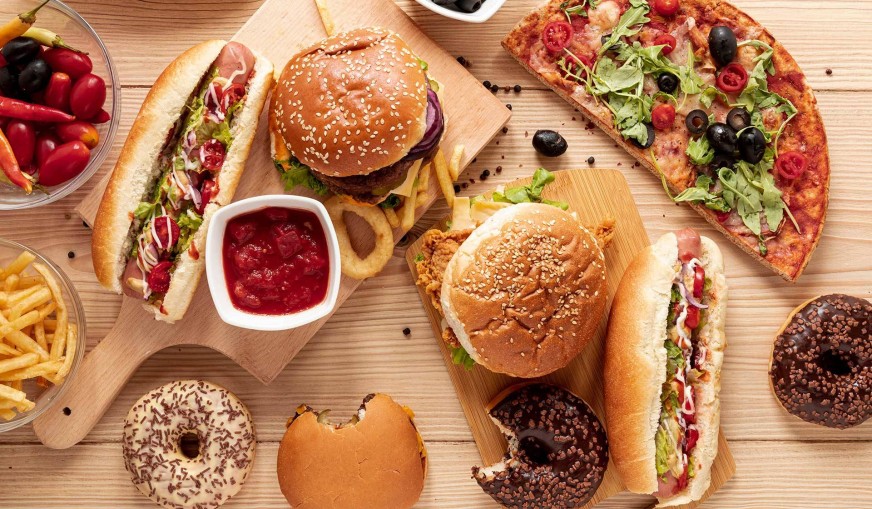
Many ingredients, such as sweeteners, preservatives and additives, improve the taste and shelf life of processed foods. Over the long term, though, some of these ingredients may not be good for our health. Some studies have shown that a high intake of processed foods is associated with a higher risk of obesity, diabetes and heart disease. For this reason, it is best to limit processed food and choose healthier alternatives.
What Is Processed Food?
Processed food means food that has gone through various processes to extend its shelf life or to improve its taste and appearance. These processes include freezing, canning, drying, pasteurising, refining, salting, sweetening and deep-frying.
Processed foods include many food products such as ready meals, crisps, biscuits, sugary drinks, fast food, instant soups, sausages and salami. It should be remembered, however, that the types and ingredients of processed foods can differ from product to product.
What Are the Downsides of Processed Food?
Processed foods can have several negative effects on health, so choosing healthier alternatives is important for looking after your health.
The main downsides of eating processed food are:
- Obesity: Processed foods can contribute to weight gain because of their high calorie, sugar and fat content. Their low nutrient density can also mean they do not make you feel full and can lead to wanting to eat more.
- Diabetes: Because of their high glycaemic index, processed foods raise blood sugar levels quickly. Over the long term, this is associated with insulin resistance, so regular consumption of processed foods may increase the risk of diabetes.
- Heart disease: Processed foods contain less healthy ingredients such as saturated fat, trans fat, sodium and sugar. These ingredients can raise blood pressure and are associated with a higher risk of heart disease.
- Cancer: Some types of processed food contain preservatives and additives, and some of these substances have been associated with a higher cancer risk.
- Digestive problems: Processed foods can affect the digestive system and may contribute to problems such as constipation, gas and bloating.
- Nutrient gaps: Because of their low nutrient density, processed foods do not provide the vitamins, minerals and fibre needed for a healthy diet.
For these reasons, it is important to limit processed foods where you can and to choose more natural and fresh foods.
Which Foods Can Be Chosen Instead of Processed Foods?
For healthy eating, fresh, natural and unprocessed foods are recommended in place of processed foods. This is a good way to look after and support your health.
Foods you can choose instead of processed food are:
- Fresh fruit and vegetables: Rich in vitamins, minerals and fibre, fresh fruit and vegetables are important for a healthy diet. It is a good idea to eat them raw as often as possible.
- Wholegrain products: Wholegrain products such as wholewheat, oats, rye and bulgur (cracked wheat) are rich in fibre, vitamins and minerals. Choosing wholegrain versions of grains such as bread, pasta and rice is recommended.
- Protein sources: Protein sources such as chicken, turkey, fish, beans, chickpeas and lentils are important for a healthy diet. Choosing fresh, natural meat rather than processed meat products is recommended.
- Dairy products: Dairy products such as yoghurt, milk and cheese are rich in calcium, protein and other important minerals. Choose natural, plain ones over the sugary and flavoured dairy products that fall into the processed food category.
- Healthy fats: Healthy fat sources such as avocado, olive oil, walnuts, almonds and hazelnuts are important for heart health. Choose natural, healthy fats in place of processed and saturated fats.
Alongside all this, limiting salt, sugar and saturated fat is very important for a healthy diet.
This article is for general information only; please consult your doctor and dietitian about your own situation.
Book an appointment for a personalised nutrition plan
The information in this article is general; what you need depends on your age, health and goals. Message us and we will build the plan that suits you together.

This content is for information only. For a personalised nutrition programme, please consult a dietitian.


