

Saturated Fats and Their Effects on Health
Are saturated fats harmful? Learn how they relate to heart health, weight management and hormones, plus tips for a balanced intake of healthy fats.
20 results found
Are saturated fats harmful? Learn how they relate to heart health, weight management and hormones, plus tips for a balanced intake of healthy fats.

Discover what omega-3 and omega-6 fatty acids are, which foods contain them, and how to keep a healthy balance between the two in your everyday diet.

What saturated fat is, which foods contain it, how it relates to LDL cholesterol and heart health, the WHO limit, and healthier unsaturated fats to choose instead.

What are the symptoms of menopause, and how should you eat with hot flushes and weight gain? Nutrition advice for bone, heart and muscle health.

Should you cut out salt completely if blood pressure is high in pregnancy? High blood pressure, pre-eclampsia symptoms and blood-pressure-friendly eating.

Needs for folate, iron, iodine, calcium and vitamin D rise in pregnancy. Which foods provide them, and when are supplements needed? A dietitian's guide.

What is “Ozempic face” and why does it happen? Facial changes with rapid weight loss, nutrients that matter for skin, and the realistic role of nutrition.
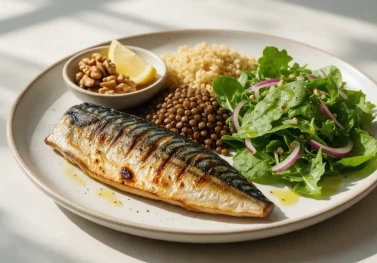
What are high triglycerides and what is the normal level? Diet advice on cutting sugar, alcohol and refined carbohydrate, choosing fats, and a sample menu.

Can you eat fish in pregnancy? Low-mercury fish, weekly portions, species to avoid, raw and smoked fish, and tips for cooking fish safely at home.

How is basal metabolic rate calculated? The Mifflin-St Jeor formula, examples for women and men, activity multipliers and reading your calorie need.
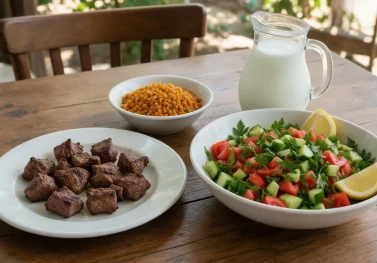
How should you store and cook meat at Eid al-Adha, and how much should you eat in one meal? Practical tips for easier digestion, from a dietitian.

The first step in managing emotional eating is recognizing the difference between physical and emotional hunger.

The connection between insulin resistance and the ketogenic diet is based on the potential of low carbohydrate intake to regulate metabolic responses.

Whether weight gain powders are harmful depends on the quality of their ingredients and an individual’s health status, but misuse carries significant risks.

The harms of severe underweight can threaten health in a wide range from weakened immune system to osteoporosis.

The answer to what to eat on a ketogenic diet lies in low-carb vegetables, healthy fats, and high-quality protein sources.

The primary difference between the Mediterranean diet and the ketogenic diet lies in macronutrient distribution and sustainability.

The answer to the question What is keto flu? lies in the body's physiological response to the change in energy source when transitioning to a ketogenic diet.

The answer to “Why can't I gain weight?” often lies in metabolic rate, genetic factors, or underlying medical conditions.

Smoothie recipes that promote weight gain are a practical way to support healthy weight increase with high energy density.