

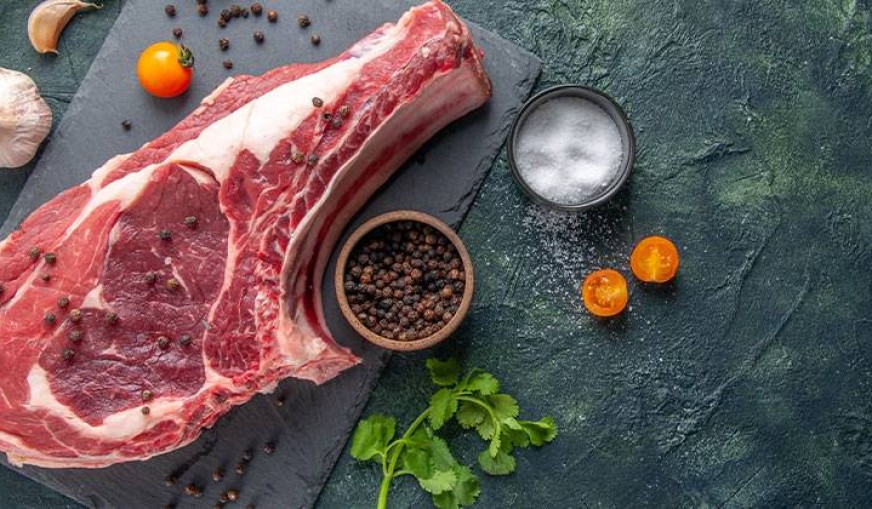
Saturated fats are a type of fat found mainly in animal foods and some plant oils. For many years, eating saturated fat has been linked to heart disease and other health problems, although more recent research offers different perspectives. Here is what you need to know about saturated fats and their effects on health.
1. What is saturated fat?
Saturated fats are fatty acids with no double bonds in their carbon chain, and they are usually solid at room temperature. The most common sources are:
- Red meat (beef, lamb, pork)
- Full-fat milk and dairy products (cheese, butter, cream)
- Tropical oils (coconut oil, palm oil)
- Processed foods and fast food
2. Effects of saturated fats on health
2.1 Heart health
Research over many years has shown that eating too much saturated fat can raise LDL ("bad") cholesterol and increase the risk of heart disease. However, some newer studies suggest that the effects of saturated fat may vary from person to person and depending on the food source.
2.2 Weight management
Eating too much saturated fat can lead to a high calorie intake and weight gain. As part of a balanced diet and in sensible amounts, fat can also help you feel full.
2.3 Brain function and hormones
The body needs some fat for brain function and hormone production. A certain amount of dietary fat is needed to make hormones such as testosterone.
3. Ways to keep your saturated fat intake balanced
- Eat butter and full-fat dairy products in moderation.
- Limit fast food and processed foods, and get your fats from healthier sources.
- Include healthy fats such as olive oil, avocado and fish in your diet.
- For a balanced diet, eat saturated fats alongside monounsaturated and polyunsaturated fats.
4. Are saturated fats harmful?
Views on saturated fats are changing. What matters most is how they fit into your overall diet and where they come from. Natural, unprocessed sources of saturated fat are generally considered a better choice than refined and heavily processed foods.
Eaten in moderation as part of a balanced diet, saturated fats do not need to be cut out completely. However, eating too much can put heart health at risk, so it is worth being careful. A sensible approach is to balance saturated fats with monounsaturated and polyunsaturated fats. If you have high cholesterol or heart disease, please talk to your doctor and dietitian about the right amount for you.
This article is for general information only; please consult your doctor and dietitian about your own situation.
Book an appointment for a personalised nutrition plan
The information in this article is general; what you need depends on your age, health and goals. Message us and we will build the plan that suits you together.

This content is for information only. For a personalised nutrition programme, please consult a dietitian.


