

If your blood pressure is high in pregnancy, cutting out salt completely is generally not recommended; international guidelines state that salt should not be restricted in pregnancy solely to prevent pre-eclampsia. Instead, the essentials are to cut back on the excess salt that comes from ready-made and processed foods, to keep up a balanced diet rich in vegetables, fruit, dairy products and wholegrains, and to manage treatment with your obstetrician.
High blood pressure in pregnancy is a condition that requires close monitoring of mother and baby. Diet is an important support, but it does not replace the treatment your doctor recommends to bring blood pressure down. In this article I explain the real place of salt, how to build a blood-pressure-friendly plate and which symptoms mean you should see a doctor without waiting.
- High blood pressure in pregnancy appears in different forms: present before pregnancy, arising during pregnancy, or occurring with pre-eclampsia.
- Cutting out salt completely does not prevent pre-eclampsia; the aim is to reduce excess salt from processed foods.
- A pattern rich in vegetables, fruit, dairy products, wholegrains and pulses is the basis of blood-pressure-friendly eating.
- Calcium, aspirin or any other supplement is used only on a doctor's decision.
- See a doctor straight away for a severe headache, visual disturbances, pain under the ribs or sudden swelling.
Why Does High Blood Pressure Happen in Pregnancy?
High blood pressure in pregnancy can appear in three main ways: chronic hypertension that was present before pregnancy, gestational hypertension that appears after week 20 of pregnancy, and pre-eclampsia, where high blood pressure is accompanied by protein in the urine or other signs of organ involvement. Your doctor determines which it is and how it will be monitored.
A first pregnancy, older maternal age, excess weight before pregnancy, a multiple pregnancy, a history of pre-eclampsia in an earlier pregnancy, diabetes, kidney disease and some autoimmune conditions are among the factors that raise the risk. Doctors may suggest some protective treatments for women at risk; these are individual and should not be started on your own.
This is also why blood pressure is measured regularly in pregnancy: high blood pressure often starts without any complaints. Keeping up with your check-ups is a far more decisive protective measure than diet.
Should Salt Be Cut Out Completely in Pregnancy?
No. The UK's NICE guideline states that salt restriction should not be recommended in pregnancy solely to prevent gestational hypertension or pre-eclampsia. Excessive salt restriction can reduce appetite, lower iodine intake and worsen the quality of your diet.
This does not mean that salt can be eaten without limit. Most of the day's salt comes not from the salt shaker but from bread, cheese, olives, pickles, processed meats such as salami and sausages, ready-made soups and sauces, crisps and meals eaten out. What needs to be done in pregnancy is to notice and reduce these hidden sources of salt, and to use a reasonable amount of iodised salt in cooking at home.
| Foods that can be high in salt | A lower-salt alternative |
|---|---|
| Brined white cheese, kashar (Turkish yellow cheese) | Cheese soaked in water or low in salt, lor (Turkish fresh curd cheese) |
| Brined olives, pickles | A small number of olives soaked in water; fresh vegetable salad |
| Salami, sausages, sucuk (Turkish spiced sausage), pastirma (Turkish cured beef) | Thoroughly cooked chicken at home, eggs, pulses (processed meats are not recommended in pregnancy anyway) |
| Ready-made soups, stock cubes, ready-made sauces | Soups made at home with vegetables and pulses |
| Crisps, salted crackers, salted nuts | Raw nuts, fresh fruit, yoghurt |
| Fast food and takeaway meals | Meals prepared at home and flavoured with spices |
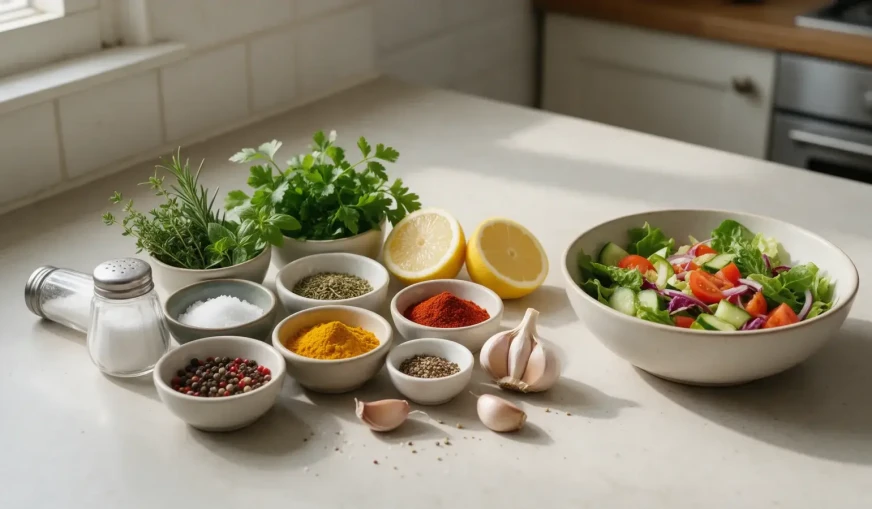
To keep the flavour while cutting salt, you can use thyme, mint, cumin, black pepper, sumac, lemon and garlic. You can also look at my article on high salt intake and the risk of hypertension for the effects of salt on general health.
How Do You Build a Blood-Pressure-Friendly Pregnancy Plate?
The basis of blood-pressure-friendly eating is a pattern made up of plenty of vegetables and fruit, low-fat dairy products, wholegrains, pulses and nuts, which limits processed foods and sugary drinks. This approach is also consistent with the general principles of the DASH eating plan developed for blood pressure; in pregnancy it should be adapted in line with your obstetrician's advice.
- Vegetables and fruit: A vegetable at every meal and a few portions of fruit through the day. Potassium-rich spinach, tomatoes, bananas, oranges and pulses are helpful.
- Dairy products: Two or three portions a day of milk, yoghurt, kefir or low-salt cheese; they meet a significant part of your calcium needs.
- Wholegrains: Bulgur, oats and wholegrain bread instead of white flour and sugary products.
- Protein: Eggs, well-cooked chicken and red meat, low-mercury fish and pulses.
- Healthy fats: Olive oil, walnuts, hazelnuts, almonds.
Keeping caffeinated drinks within the limits recommended for pregnancy and choosing water and ayran (Turkish salted yoghurt drink) rather than sugary fizzy drinks are also part of this pattern. The article on vitamin and mineral needs during pregnancy can guide you on the overall plate and vitamin-mineral balance in pregnancy.
What Might a Blood-Pressure-Friendly Sample Day Look Like?
The example below shows a day that reduces hidden sources of salt without cutting salt out completely and puts vegetables, fruit and dairy products to the fore. Portions should be adjusted to your week of pregnancy, your weight and any conditions such as gestational diabetes.
- Breakfast: Boiled egg, low-salt cheese soaked in water, tomato, cucumber, plenty of greens, a few walnuts and wholegrain bread.
- Snack: A bowl of yoghurt and a banana or a handful of strawberries.
- Lunch: Lentil soup made at home, a seasonal salad with lemon and thyme, a slice of wholegrain bread.
- Snack: An orange and a handful of raw almonds.
- Dinner: Baked chicken with vegetables or well-cooked fish, bulgur pilaf and cacik (Turkish yoghurt and cucumber dip).
In this plan a small amount of salt is added to food during cooking, no salt shaker is put on the table, and flavour comes from spices, lemon and fresh herbs. Pickles, brined foods and deli products appear rarely and in small amounts rather than daily.
Are Calcium and Other Supplements Good for Blood Pressure?
The World Health Organization recommends calcium supplementation for pregnant women in populations with low calcium intake to reduce the risk of pre-eclampsia; but who should be given it, at what stage and in what amount is decided by the doctor. The most sensible thing to do from a nutrition point of view is to keep up an adequate daily intake of dairy products.
The use of magnesium, fish oil, garlic tablets or antioxidant vitamins to prevent pre-eclampsia is not recommended in guidelines. Herbal teas and blends marketed as “blood pressure lowering” may also not be safe in pregnancy. Always ask your doctor before using any product.
Are Weight Gain and Swelling Linked to Blood Pressure?
Mild swelling is often normal in pregnancy; but marked swelling that develops suddenly in the face, hands or feet can be a sign of pre-eclampsia, so it should be assessed straight away. Weight gain that is much faster than expected over a few weeks is also a finding to pass on to your doctor.
The weight gain recommended in pregnancy varies with your pre-pregnancy body mass index. You can read the article on how much weight to gain in pregnancy on this, and the article on how to reduce swelling in pregnancy for coping with normal swelling in the feet.
Which Symptoms Mean You Should See a Doctor Straight Away?
If you have any of the symptoms below, see your doctor or go to the emergency department straight away without waiting for dietary advice; they can be a sign of pre-eclampsia.
- A severe headache that does not go away
- Blurred vision, flashing lights or loss of vision
- Pain just below the ribs, especially on the right side
- Sudden, marked swelling in the face, hands or feet
- Nausea and vomiting starting again in the second half of pregnancy, shortness of breath
- A marked drop in the baby's movements
If you have been asked to measure your blood pressure at home, report any readings above the threshold values set by your doctor without delay.
Blood Pressure and Diet After Birth
In most women whose blood pressure rose in pregnancy, values return to normal after birth; however, these women may have a higher risk of chronic hypertension and cardiovascular disease later in life. That is why it is valuable to keep up postpartum check-ups and to turn blood-pressure-friendly eating habits into a long-term way of life.
If your blood pressure is high in pregnancy or you are in a risk group, you can look at my page on nutrition counselling for pregnancy to build a personal nutrition plan in line with your obstetrician's advice.
Sources
- NICE NG133 – Hypertension in pregnancy: diagnosis and management
- WHO – Recommendations on antenatal care for a positive pregnancy experience
- NHS – Pre-eclampsia
- ACOG – Preeclampsia and High Blood Pressure During Pregnancy
This article is for general information only; please consult your doctor and dietitian about your own situation.
Frequently Asked Questions
What blood pressure is considered high in pregnancy?
In pregnancy, values of 140/90 mmHg and above are generally considered high; but the diagnosis is made not on a single reading but by your doctor assessing repeated measurements and other findings. Go by the threshold values you have been given.
Does eating without salt lower blood pressure in pregnancy?
Cutting out salt completely in pregnancy does not prevent pre-eclampsia, and guidelines do not recommend salt restriction solely for this purpose. Reducing the excess salt that comes from processed and ready-made foods and using a reasonable amount of iodised salt at home is a more balanced approach.
Can you drink coffee with high blood pressure in pregnancy?
Caffeine should be limited in pregnancy anyway. If your blood pressure is high, ask your doctor how much coffee and other caffeinated drinks you can have; in most cases a small amount and caffeine-free alternatives are preferred.
Does lemon water or garlic lower blood pressure?
Lemon water or garlic cannot be used in place of treatment to lower blood pressure in pregnancy. They can be eaten as part of a balanced diet, but blood pressure treatment must always be carried out as your doctor recommends.
Can pre-eclampsia be prevented through diet?
Pre-eclampsia does not have a single dietary cause and cannot be prevented by diet alone. Doctors may suggest some protective treatments for women at risk; balanced eating, healthy weight gain and regular check-ups are the supporting parts of this process.
Book an appointment for a personalised pregnancy nutrition plan
Nutritional needs in pregnancy change with the week of pregnancy, weight change and test results. Message us for a plan that fits your doctor's advice.

This content is for information only. For a personalised nutrition programme, please consult a dietitian.


