
Nutrition Support While Using GLP-1 Weight-Loss Medication
Dietitian support for eating well while you use a GLP-1 weight-loss medication prescribed and monitored by your doctor: protein, fluids, fibre and long-term habits.
14 results found
Dietitian support for eating well while you use a GLP-1 weight-loss medication prescribed and monitored by your doctor: protein, fluids, fibre and long-term habits.
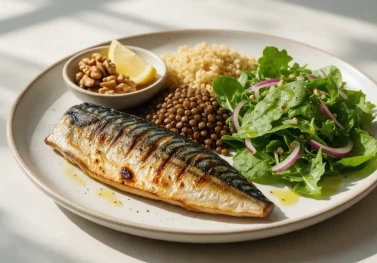
What are high triglycerides and what is the normal level? Diet advice on cutting sugar, alcohol and refined carbohydrate, choosing fats, and a sample menu.

Why does blood pressure drop in pregnancy and what helps? Advice on fluids, meal pattern and salt balance, plus symptoms that mean you should see a doctor.

Can you drink coffee in pregnancy and how many cups are safe? The 200 mg caffeine limit, caffeine in tea, cola and chocolate, and decaf alternatives.

How is basal metabolic rate calculated? The Mifflin-St Jeor formula, examples for women and men, activity multipliers and reading your calorie need.
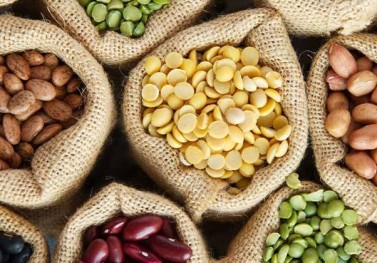
General nutrition points often discussed for low blood sugar: regular meals, low glycaemic index foods, protein, healthy fats and an example day, to review with your doctor.

General nutrition principles often discussed for PCOS: low glycaemic index foods, healthy fats, fibre, regular meals and an example day, to review with your doctor.

Prepare your body for pregnancy with a balanced eating plan, a healthy weight range and good nutrient stores, in line with your doctor's advice.
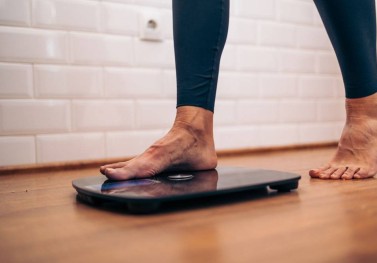
A personalised plan to gain weight in a healthy way, built on the reason behind low body weight and protecting muscle mass.

Why do we get irritable when hungry? Learn how blood sugar, regular meals and healthy snacks can help you manage hunger-related mood changes.
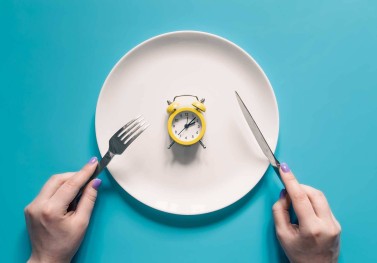
Why regularly skipping meals can lead to blood sugar swings, low energy, poor concentration and overeating later, and how a balanced eating routine helps.

Why many people gain weight in winter and 10 practical habits to help: regular meals, water, less salt, green tea, seasonal fruit, daily movement and lighter dinners.

Instead of crash diets before summer, make healthy lifestyle changes: regular meals, balanced carbohydrates, water, movement and professional guidance.

Eating well during exams: why regular meals, healthy snacks, fruit and sensible drinks can help you feel calmer, more energetic and ready to study.