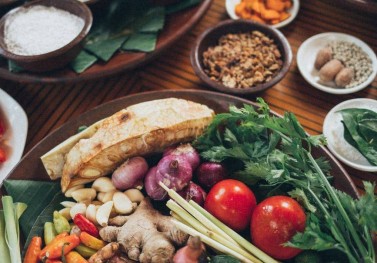
Exam periods are among the most stressful times for students. This stress can lower study efficiency and affect exam performance. Stress also affects many areas of life, from sleep patterns to eating habits. Eating well can help to ease stress and make the exam period more comfortable. That is why your eating routine during exams becomes important.
 WHY SHOULD YOU PAY ATTENTION TO WHAT YOU EAT DURING EXAMS?
What you need most during exam season is mental ease. Your brain needs to work at its best. Because the foods you eat support you here, eating well during exams is something to pay attention to.
Many foods bring about certain changes in the body. Some can support your memory and energy level, while others can make you sleepy or tired during the day. A poor food choice can therefore add to your stress and leave you feeling tense.
Protecting your body is just as important as protecting your mental well-being during exams. The intense stress you are under can lead you to overeat and make poorer food choices. Over time, weight gained for these reasons can make you unhappy and affect your health.
For these reasons, you should pay attention to eating during exams and, if possible, continue with the support of a specialist dietitian.
 WHAT SHOULD YOUR FOOD CHOICES BE DURING EXAMS?
You should pay attention to the foods you eat. The timing and amount of your meals also matter.
Avoid Very Large, Heavy Meals
The most important thing during exams is to feel energetic. That makes it easier to study and to understand. When you feel tired and sluggish, you will usually not want to study. So eat enough at your meals without going to extremes. After a very large meal your blood sugar rises more than necessary, and you feel tired, sluggish and sleepy. Even if you are motivated to study, your brain may then not work as efficiently.
Do Not Skip Meals
To get through the exam period comfortably and healthily, it is important not to skip the meals you need. Make time to eat and take in the energy that food can give you. Not skipping meals and having snacks between them helps your body work in balance. See eating not as lost time but as support during exam season.
Choose Healthy Snacks
While studying you may feel the need to keep eating something. When that happens, choosing healthy snacks over unhealthy ones helps you look after both your mental and physical health. Snacks that are higher in protein can also help keep your energy steady.
Do Not Forget Fruit
The vitamins in fruit can support your memory and energy. Fruits such as melon, orange, strawberries and banana are good choices, and do not forget vegetables such as carrots, peppers, cabbage and broccoli.
Watch What You Drink as Well as What You Eat
When it comes to eating during exams, food should not be the only thing on your mind. Too many drinks high in caffeine, such as coffee, cola and tea, can lead to sleeplessness, restlessness and anxiety. Choose drinks that are good for you. For example, you can drink herbal teas such as rosehip, chamomile and fennel. Some herbal teas are known for their calming effect, and choosing them may help you feel less stressed.
The first thing to pay attention to in order to look after your mental and physical health is drinking enough water. About 2.5-3 litres a day is a commonly suggested amount for many adults, but your needs may differ.
| Foods That May Help You Feel Calmer | Calming Teas | Energising Foods |
| Black beans | Chamomile tea | Dark chocolate |
| Kefir | Sage tea | Water |
| Salmon | Green tea | Eggs |
| Blueberries | Lemon balm tea | Citrus fruits |
| Dark chocolate | Fennel tea | Nuts |
This article is for general information only; please consult your doctor and dietitian about your own situation.
Book an appointment for a personalised nutrition plan
The information in this article is general; what you need depends on your age, health and goals. Message us and we will build the plan that suits you together.

This content is for information only. For a personalised nutrition programme, please consult a dietitian.