

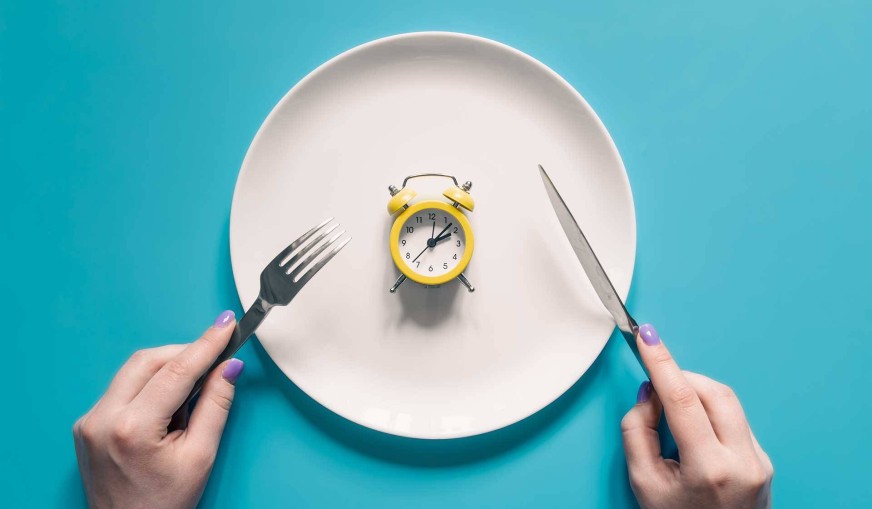
Skipping meals is an eating mistake many people make today. From time to time, a busy work schedule, stress or the idea of dieting can make skipping meals tempting. Over the long term, though, this habit can contribute to health problems. Knowing about the downsides of skipping meals is important for a healthy eating routine.
What Should Healthy Eating Look Like?
Healthy eating is based on taking in the nutrients the body needs in adequate and balanced amounts. The quality of food also matters in a healthy eating routine.
A healthy eating routine should include the following:
- Variety: Eat a variety of foods with different nutrients. This helps the body get the vitamins, minerals and other nutrients it needs.
- Balanced eating: A healthy eating routine should include adequate amounts of protein, carbohydrate, fat, fibre, vitamins and minerals. Each of these is important for the body and should be taken in balance.
- Moderation: Healthy eating includes eating in moderation. Too much of anything is not good, so avoid very salty, sugary and fatty foods. Skipping meals can also get in the way of moderate eating, so it is best avoided.
- Natural and unprocessed foods: Choose natural and unprocessed foods as much as possible.
- Water: Water is an important part of healthy eating. Many adults aim for 8-10 glasses of water a day, which helps keep the body's fluid balance.
Why Do Meals Matter in a Healthy Eating Plan?
Meals matter a great deal in a healthy eating plan. Getting all the nutrients our body needs at regular intervals is very important for a healthy life. Leaving very long gaps between meals and getting into the habit of skipping meals can have a number of negative effects on health.
Eating meals regularly helps keep our blood sugar steady and our energy level up. Skipping meals, or leaving long gaps between them, can create hunger and increase the urge to overeat. This can contribute to weight gain.
Skipping meals can also stop our body from getting enough vitamins, minerals and other nutrients, and if this continues for a long time it may leave us less well supported against illness.
In short, meals matter in a healthy eating plan. Eating regularly helps us take in all the nutrients our body needs and supports a healthy life.
Is Skipping Meals Harmful?
Skipping meals is a behaviour that arises from irregular and unhealthy eating. Many people skip meals because of work or other activities, and end up with an irregular eating pattern. Skipping meals, however, has negative effects on our body.
Skipping meals, especially when done regularly, can have a number of unwanted effects. These are:
- Blood sugar swings: Skipping meals can cause swings in blood sugar, which can lead to symptoms such as tiredness, weakness and dizziness.
- Slower metabolism: Skipping meals may contribute to a slower metabolism. When you do not take in enough food, your body tries to hold on to energy and your metabolism may slow, which can increase the risk of weight gain.
- Poor concentration: Skipping meals can lead to difficulty concentrating, forgetfulness and mental fog.
- Digestive problems: Skipping meals can cause problems in your digestive system, which can lead to constipation, gas and other digestive complaints.
- Emotional difficulties: Skipping meals can lead to low energy, irritability and other emotional difficulties.
For these reasons, avoid skipping meals to lead a healthy life and to get all the nutrients your body needs. With a specialist's support, you can build a healthy eating plan and take in enough calories and nutrients each day.
This article is for general information only; please consult your doctor and dietitian about your own situation.
Book an appointment for a personalised nutrition plan
The information in this article is general; what you need depends on your age, health and goals. Message us and we will build the plan that suits you together.

This content is for information only. For a personalised nutrition programme, please consult a dietitian.


