

Hypoglycaemia is when blood sugar falls below the normal level, and it can show itself through signs such as dizziness, sweating and weakness. Eating in a balanced way can be a supportive part of keeping blood sugar steadier, alongside the care your doctor recommends. If you notice these signs, please see your doctor, because the cause needs to be looked into. Here are general eating suggestions that are often discussed:
1. Choose Low Glycaemic Index Foods
Foods with a low glycaemic index help avoid sudden rises and falls in blood sugar.
- Wholegrains: Quinoa, bulgur, oats, brown rice
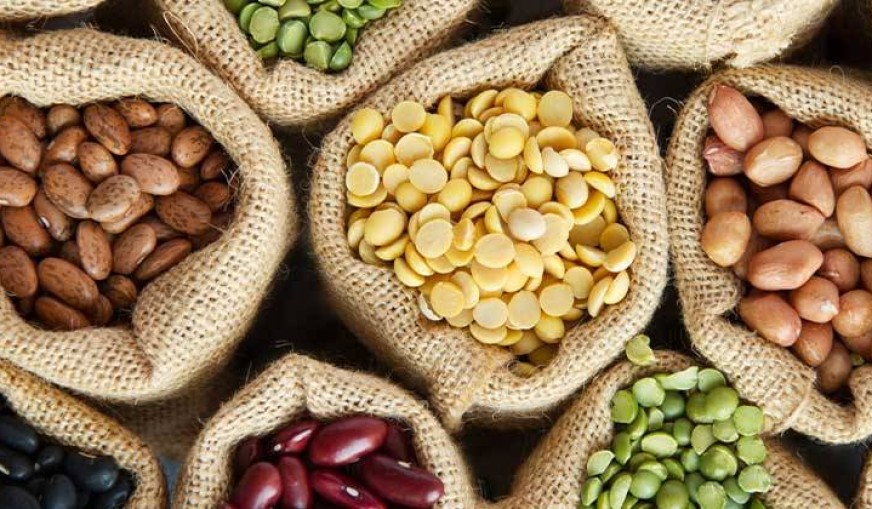
- Pulses: Lentils, chickpeas, beans
- Vegetables: Spinach, broccoli, carrots
- Fruit: Green apples, pears, strawberries, blueberries
2. Go Easy on Simple Sugars
Foods containing sugar can cause sudden rises in blood sugar, followed by quick drops.
- To limit: Sugary drinks, white bread, cakes, sweets
- Alternatives: Carob molasses, dates, natural honey (in moderation)
3. Eat Foods Rich in Protein
Protein helps keep you feeling full for longer and supports steadier blood sugar.
- Animal protein sources: Chicken, turkey, eggs, fish
- Plant protein sources: Chickpeas, lentils, almonds, hazelnuts
4. Include Healthy Fats in Your Diet
As well as providing energy, healthy fats can help keep blood sugar steadier.
- Healthy fat sources: Olive oil, avocado, walnuts, flaxseeds, chia seeds
- To limit: Processed foods containing trans fats, margarine
5. Eat Regular, Balanced Meals
One of the most important rules is to eat regular meals.
- Main meals: A common pattern is 3 main meals and 2 snacks.
- Do not skip meals: Going hungry can make blood sugar drop quickly.
6. Drink Plenty of Water
Dehydration can affect blood sugar levels. A commonly given guide is 2 to 3 litres a day, unless your doctor has advised otherwise.
7. Limit Caffeine and Alcohol
Caffeine and alcohol can cause swings in blood sugar levels.
- To limit: Too much coffee, energy drinks, alcohol
- Alternatives: Herbal teas, coconut water
8. An Example Daily Eating Plan (to Review with Your Dietitian)
| Meal | Foods |
| Breakfast | Porridge oats, almond milk, walnuts, 1 green apple |
| Snack | Yoghurt and a handful of almonds |
| Lunch | Grilled chicken, quinoa pilaf, boiled vegetables |
| Snack | Hummus and wholegrain crackers |
| Dinner | Salmon, mashed sweet potato, spinach salad |
| Evening snack | Milk with cinnamon and a slice of wholegrain bread |
9. Stress Management and Exercise
- Stress can affect blood sugar balance. Meditation and yoga can be helpful.
- Gentle exercise (walking, yoga) is a good habit, once your doctor has said it is suitable for you.
A balanced eating plan can be a supportive part of keeping blood sugar steadier. Eating low glycaemic index foods, healthy fats and protein, and avoiding long gaps between meals, is often discussed as a way of lowering the chance of sudden swings. Results vary from person to person, so build a personal plan with a nutrition specialist.
What Is Reactive Hypoglycaemia?
Reactive hypoglycaemia is a condition in which blood sugar falls, usually 2 to 4 hours after a meal, and it can show itself through shaking, sweating, palpitations, dizziness and a sudden feeling of hunger. A doctor's assessment is needed to diagnose it and look into the cause. On the nutrition side, regular small meals, protein and fibre at every meal, limiting simple sugars and not skipping meals are generally the basic steps suggested.
This article is for general information only; please consult your doctor and dietitian about your own situation.
Book an appointment for a personalised nutrition plan
The information in this article is general; what you need depends on your age, health and goals. Message us and we will build the plan that suits you together.

This content is for information only. For a personalised nutrition programme, please consult a dietitian.


