

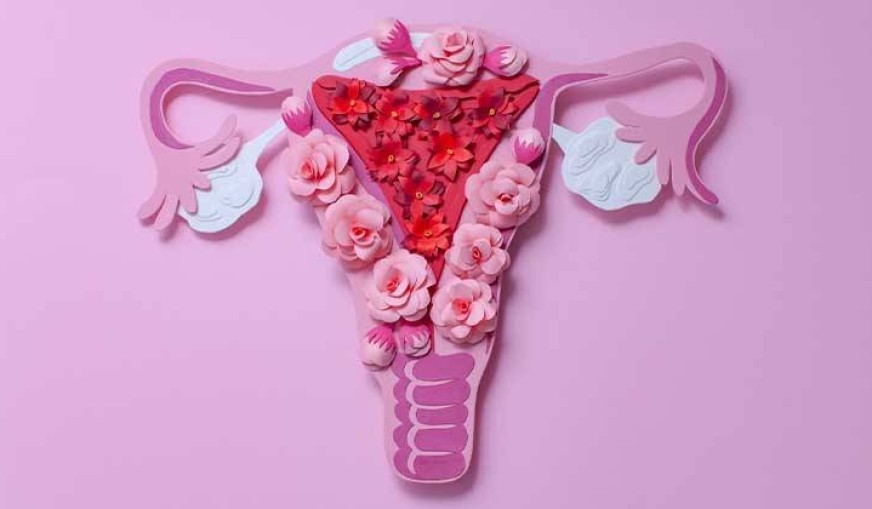
Polycystic ovary syndrome (PCOS) is a common condition in women that can be linked to hormonal imbalance, insulin resistance and difficulty managing weight. A balanced eating plan, alongside the care your doctor recommends, may help support general health and how you feel day to day. Here are general nutrition principles often discussed for PCOS. They are not a substitute for medical care:
1. Choose Low Glycaemic Index (GI) Foods
Foods with a low glycaemic index are often suggested to help keep blood sugar steadier.
- Wholegrains: Quinoa, bulgur, brown rice, wholewheat bread.
- Pulses: Lentils, chickpeas, beans.
- Vegetables: Spinach, broccoli, courgette, cucumber.
- Fruit: Strawberries, apples, pears, avocado.
2. Limit Refined Sugar and Simple Carbohydrates
Processed sugars are best limited to help keep insulin levels steadier.
- To limit: White bread, sugary drinks, ready-made desserts, sugary breakfast cereals.
- Alternatives: Dates, natural honey and wholegrain flours, in moderation.
3. Support Hormonal Balance with Healthy Fats
Healthy fats are needed for hormone production and may help keep inflammation in check.
- To include: Olive oil, avocado, walnuts, almonds, chia and flaxseeds.
- To limit: Margarine, processed trans fats, fried foods.
4. Make Sure You Get Enough Protein
Protein helps keep blood sugar steadier and keeps you feeling full for longer.
- Plant proteins: Lentils, chickpeas, beans, tofu.
- Animal proteins: Chicken, turkey, salmon, eggs.
5. Choose Foods Rich in Fibre
High-fibre foods support digestion and the steady release of sugar into the blood.
- High-fibre foods: Chia seeds, flaxseeds, porridge oats, wholegrains, vegetables.
6. Drink Enough Water
Water supports the body's normal functions and general wellbeing.
- Daily water: A commonly given guide is 2 to 3 litres, unless your doctor has advised otherwise.
- Other drinks: Herbal teas, unsweetened infused water.
7. Eat Regular, Balanced Meals
Regular meals can help keep blood sugar levels steadier through the day.
- A suggested pattern: 3 main meals and 2 snacks a day, adjusted to your own needs.
- Snack ideas: Yoghurt and walnuts, almonds and dates, wholegrain bread with peanut butter.
8. An Example Daily Eating Plan for PCOS (to Review with Your Dietitian)
| Meal | Foods |
| Breakfast | Porridge oats, chia seeds, almond milk, walnuts |
| Snack | A handful of hazelnuts and an apple |
| Lunch | Grilled salmon, quinoa pilaf, boiled broccoli |
| Snack | Yoghurt and flaxseeds |
| Dinner | Grilled chicken, vegetables cooked in olive oil, bulgur pilaf |
| Evening snack | Almond milk with cinnamon |
9. Foods to Limit in a PCOS Eating Plan
- White flour and refined carbohydrates.
- Sugary drinks and sweets.
- Ready-made processed foods and trans fats.
- Alcohol and too much caffeine.
10. Exercise and Lifestyle Suggestions
As well as diet, regular physical activity is an important part of managing PCOS.
- Exercise: Walking, pilates, yoga or resistance training a few days a week, once your doctor has said it is suitable for you.
- Sleep: Aim for around 7 to 8 hours of sleep a night.
- Stress management: Meditation and breathing exercises may help reduce stress.
A balanced eating plan can be a helpful part of managing PCOS, and choosing low glycaemic index foods, healthy fats and good protein sources is often discussed as part of it. Results vary from person to person, so your eating plan should be built together with your doctor and a dietitian.
This article is for general information only; please consult your doctor and dietitian about your own situation.
Book an appointment for a personalised nutrition plan
The information in this article is general; what you need depends on your age, health and goals. Message us and we will build the plan that suits you together.

This content is for information only. For a personalised nutrition programme, please consult a dietitian.


