

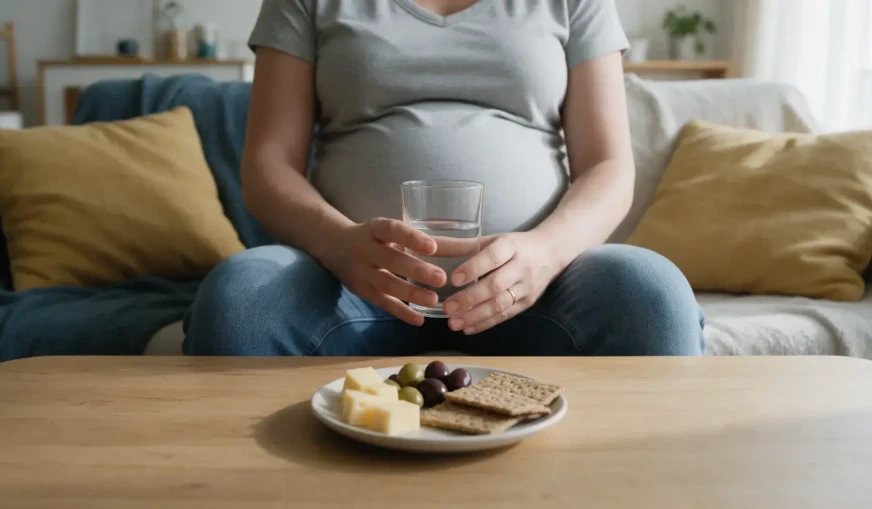
A slight fall in blood pressure in pregnancy is common, especially in the first and second trimesters, and is often not dangerous. To ease dizziness and light-headedness it helps to take enough fluid through the day, avoid long gaps without food with small, frequent meals, get up slowly from sitting or lying and avoid standing for long periods. Increasing your salt on your own is not recommended; if you have fainting, chest pain or sudden shortness of breath, see a doctor straight away.
Conversations about blood pressure in pregnancy are mostly about high blood pressure; yet many expectant mothers complain of the opposite, feeling dizzy in the mornings or on standing up. In this article I explain the causes of low blood pressure, how diet can help, and in which situations you should see a doctor without waiting. All suggestions should be applied together with your obstetrician's assessment.
- In pregnancy the blood vessels widen under the influence of hormones; so blood pressure can fall somewhat, especially in the first half.
- Readings below 90/60 mmHg are generally regarded as low blood pressure; symptoms matter more than the number.
- Enough fluids, small and frequent meals, getting up slowly and not standing for long are the most effective measures.
- Do not increase your salt on your own; talk to your doctor about the amount of salt.
- See a doctor straight away for fainting, chest pain, sudden shortness of breath, bleeding or a severe headache.
Why Does Blood Pressure Fall in Pregnancy?
In pregnancy, under the influence of hormones, above all progesterone, the blood vessels relax and widen. The widening of the vessels leads to a fall in blood pressure; this effect is usually more marked in the first and second trimesters, and in the later weeks blood pressure often moves back towards its pre-pregnancy values.
The NHS also notes that feeling faint in pregnancy is usually due to hormonal changes and arises when not enough blood reaches the brain. This feeling is seen most when getting up quickly from a chair or the bath, standing for a long time or lying on your back. In the later stages of pregnancy, lying on your back can increase dizziness because the growing womb presses on the large vein; the NHS advises not sleeping on your back after week 28.
What Are the Symptoms of Low Blood Pressure?
According to the NHS, readings below 90/60 mmHg are regarded as low blood pressure. Low blood pressure does not always cause symptoms; if it does, it needs assessing.
- Dizziness or light-headedness
- Nausea
- Blurred vision
- General weakness
- Confusion
- Fainting or feeling as if you will faint
When these symptoms appear on standing up or changing position, it is called “postural hypotension”. If your symptoms recur, have your blood pressure measured and share the result with your doctor; if you measure at home, note the readings and the times when the symptoms appeared.
How Can Diet Help With Low Blood Pressure?
Food is not a medicine that “raises” blood pressure; but keeping your fluid balance and not letting your blood sugar swing can clearly reduce dizziness and weakness. The NHS also recommends drinking more water and eating small, frequent meals for symptoms of low blood pressure.
| What to do | Why? | Practical tip |
|---|---|---|
| Take enough fluid through the day | Lack of fluid reduces blood volume and increases dizziness | A glass of water with every meal and between meals; more in hot weather |
| Eat small, frequent meals | After large meals blood is directed to the digestive system and blood pressure can drop | Three main meals and two or three snacks; avoid very large portions |
| Avoid long gaps without food | Low blood sugar can also cause weakness and dizziness | Keep nuts, wholegrain crackers with cheese or fruit in your bag |
| Include iron-rich foods | Iron deficiency anaemia can also cause weakness and dizziness | Red meat, lentils, chickpeas, dark green leafy vegetables |
| Keep caffeine limited | The daily caffeine limit in pregnancy is 200 mg; its diuretic effect can affect fluid balance | Cut back on coffee and strong tea; choose water and ayran (Turkish salted yoghurt drink) instead |
Not skipping breakfast is especially important; dizziness in the morning is common after the hours of fasting overnight. Eating a few crackers and drinking a glass of water before getting out of bed can ease morning complaints. You can look at the article on whether you can drink coffee during pregnancy for details on the caffeine limit.
If My Blood Pressure Is Low, Should I Eat Salt?
Do not increase your salt on your own. Eating salty foods without measure in pregnancy can increase swelling and fluid retention; and it cannot be known in advance whether blood pressure will tend to rise in the later weeks.
In normal, balanced eating, cheese, olives and food cooked with iodised salt already provide enough salt. Your doctor may give different advice on salt depending on your situation; apart from that, it is not recommended to eat salty ayran, brined foods or very salty snacks “so that blood pressure goes up”. Some “blood-pressure-raising” herbal blends are also not safe in pregnancy; for example, teas containing liquorice root are not recommended in pregnancy by the NHS. I explained how diet changes when blood pressure rises in pregnancy in the article on high blood pressure and salt in pregnancy.
Is Dizziness Always Due to Low Blood Pressure?
No. In pregnancy dizziness and weakness can arise from causes other than low blood pressure; so symptoms need to be assessed with your doctor rather than put down to a single cause.
- A fall in blood sugar: Going hungry for a long time or getting through a meal with only a sugary snack can cause trembling, sweating and light-headedness. Regular meals and protein and fibre at every meal reduce this swing.
- Iron deficiency anaemia: Common in pregnancy; it can cause dizziness along with tiredness, shortness of breath, palpitations and pallor. Diagnosis is made with a blood test.
- Fluid loss: Vomiting, diarrhoea or drinking too little in hot weather reduces blood volume.
- The nausea period: In the early weeks, eating and drinking little can create a gap in both sugar and fluid at once.
At routine antenatal check-ups, blood pressure measurement and blood tests help tell these causes apart. Noting for a few days when the symptoms began, what you ate and how much water you drank makes your doctor's assessment easier.
Daily Habits That Reduce Dizziness
Alongside diet, your habits of movement and posture through the day matter too. The NHS's suggestions are simple but effective.
- Get up slowly from sitting or lying: first sit on the bed, wait a few seconds, then stand.
- Avoid standing for long periods; if you must wait, shift your weight between your feet.
- If you feel faint while standing, sit down straight away; if it does not pass, lie on your side.
- If you feel dizzy lying on your back, turn onto your side; in the later weeks prefer to sleep on your side.
- Avoid very hot showers and baths and hot, crowded places.
- Do not bend down and straighten up suddenly; bend your knees when picking something up from the floor.
A sample day against dizziness
- On waking: A glass of water and a few wholegrain crackers
- Breakfast: Egg, cheese, olives, tomato and cucumber, wholemeal bread
- Snack: A handful of nuts and a piece of fruit
- Lunch: A vegetable dish with meat or lentils, bulgur pilaf, cacik (Turkish yoghurt and cucumber dip)
- Snack: Ayran or milk and a few dried apricots
- Dinner: Baked chicken or fish, vegetables, salad; water through the day
When Should You See a Doctor Straight Away?
Mild, short-lived dizziness is common in pregnancy; but some symptoms should be assessed without waiting. According to the NHS, contact your healthcare team straight away especially in the following situations:
- Fainting or loss of consciousness
- Dizziness together with sudden shortness of breath, chest pain or palpitations
- Vaginal bleeding or severe abdominal pain
- A severe headache, blurred vision or flashing lights in the eyes
- A drop in the baby's movements
Frequently recurring dizziness can also be a sign of another condition such as iron deficiency; the article on iron deficiency symptoms can give you an idea. To plan your fluid and meal pattern in pregnancy according to your complaints, we can work together, in line with your obstetrician's advice, within nutrition counselling for pregnancy.
Sources
- NHS – Low blood pressure (hypotension)
- NHS – Common health problems in pregnancy
- NHS – Pregnancy symptoms you need to get help for
- NHS – Foods to avoid in pregnancy
This article is for general information only; please consult your doctor and dietitian about your own situation.
Frequently Asked Questions
What blood pressure is considered low in pregnancy?
Readings below 90/60 mmHg are generally considered low blood pressure. In pregnancy, however, symptoms matter more than the number; if you have dizziness or a feeling of fainting, share your readings with your doctor.
Does low blood pressure in pregnancy harm the baby?
Mild low blood pressure that causes no symptoms does not usually harm the baby. Fainting does matter, because it creates a risk of falls and injury; if you have frequent dizziness or fainting, see your doctor.
Is drinking mineral water good when blood pressure drops?
Mineral water adds to fluid intake, but it should not be seen as a drink that raises blood pressure. Because its sodium content varies by brand, drink it in moderation and let water be your main source of fluid.
In which weeks does low blood pressure happen in pregnancy?
The fall in blood pressure is generally more marked in the first and second trimesters. In the later weeks values often move back towards the pre-pregnancy level; lying on your back in the last trimester can increase dizziness.
What should I eat when my blood pressure drops?
First sit down or lie on your side and take a few sips of water. If you have gone without food for a while, a small snack (crackers, fruit, bread with cheese) may help; if the symptoms do not pass or you faint, see a doctor.
Book an appointment for a personalised pregnancy nutrition plan
Nutritional needs in pregnancy change with the week of pregnancy, weight change and test results. Message us for a plan that fits your doctor's advice.

This content is for information only. For a personalised nutrition programme, please consult a dietitian.


