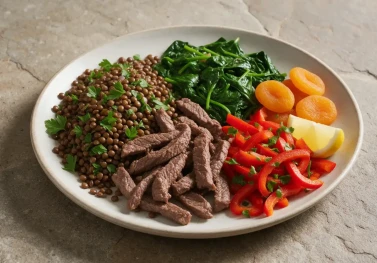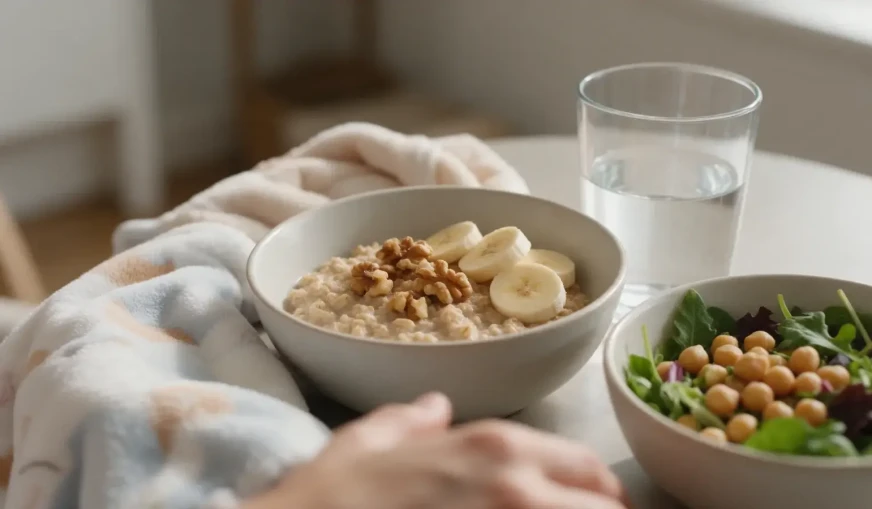
There is no food scientifically proven to increase breast milk markedly on its own; what really determines the amount of milk is how often and how effectively the baby feeds. That said, a mother who gets enough energy, protein and fluid and does not skip meals protects her own health and supports milk production. Oats, pulses, dairy products, nuts and plenty of fluids are the cornerstones of a breastfeeding plate.
During breastfeeding, suggestions of the kind “if you eat this, your milk will increase” come very often from those around you. In this article I explain what the science says about the best-known foods, what a breastfeeding mother really needs, and when to get support if you are worried about low milk supply.
- Milk production works on supply and demand; frequent and effective feeding is the most important determinant.
- Evidence for a milk-boosting effect of foods such as oats, fennel, fenugreek and dates is limited.
- According to ACOG, a breastfeeding mother's daily energy need rises by about 450–500 kcal.
- TÜBER recommends that breastfeeding mothers take 3–4 glasses (750–1,000 ml) of fluid a day in addition to normal needs.
- Do not use herbal milk-boosting supplements without asking your doctor.
How Does Breast Milk Increase?
Breast milk is made in greater amounts the more the baby feeds and the more the breast is emptied; in other words, what most affects milk production is the frequency of feeding and the baby feeding effectively with a good latch. The World Health Organization recommends giving only breast milk for the first 6 months and feeding the baby as often as it wants, day and night.
So when you are worried that “my milk isn't enough”, the first place to look is not the plate but the feeding routine: how often the baby feeds, whether it is latching onto the breast properly, and whether bottle or dummy use is reducing breastfeeding. Getting support from a lactation consultant or midwife on this often gives the quickest solution.
Stress, tiredness and poor sleep can also affect milk flow. A comfortable position while feeding, a calm setting and as much chance to rest as possible are as important as diet. When your partner and those close to you help with housework, the mother is able to give more time to herself and her baby in this period.
Do Foods Known to Increase Breast Milk Really Work?
Most of the foods known in folk wisdom as milk boosters are nourishing and can be eaten while breastfeeding; but there is no strong evidence that they directly increase the amount of milk. The table below looks at the foods most often asked about.
| Food | Common belief | What do we know? | Advice |
|---|---|---|---|
| Oats | Increases milk | No proven direct effect; provides fibre, energy and some minerals | Can be eaten freely at breakfast or as a snack |
| Fennel (tea or seeds) | Increases milk, reduces gas | Limited evidence; the safety of heavy consumption is not well known | Can be used in cooking; ask your doctor about regular tea or cures |
| Fenugreek (çemen) | A strong milk booster | Study results are inconsistent; digestive complaints and medicine interactions have been reported in some people | Ask your doctor before using it as a supplement |
| Dates | Increase milk, give energy | No proven direct effect; a source of energy and fibre | A few a day, with a protein source |
| Tahini, tahini halva | Increases milk | Tahini provides calcium and healthy fat; halva is rich in sugar | Prefer tahini, and keep halva to a small portion |
| Brewer's yeast | Increases milk | No strong evidence | Ask your doctor before using it; beer containing alcohol is not recommended |
| Sugary sherbet and lohusa şerbeti (traditional red postpartum drink) | Brings the milk in | No effect on the amount of milk; high sugar load | Choose water, ayran (Turkish salted yoghurt drink) or milk |
In short, these foods can be part of a healthy breastfeeding plate but cannot take the place of frequent feeding. Herbal blends and milk-boosting teas said to be “natural” call for care because their content and dose can be uncertain.
How Much and How Should a Breastfeeding Mother Eat?
Breastfeeding raises energy and nutrient needs. ACOG states that the body needs about 450–500 kcal of extra energy a day for milk production. TÜBER 2022 recommends the following daily food group portions for breastfeeding women:
| Food group | Daily recommendation for a breastfeeding woman (TÜBER) |
|---|---|
| Milk, yoghurt, cheese | 4–5 portions |
| Meat, chicken, fish, eggs, dried pulses, oilseeds | 4–5 portions |
| Bread and grains | 8–10 portions |
| Vegetables and fruit | At least 5 portions |
These portions are average values; they vary with your pre-birth weight, your activity and whether you feed your baby on breast milk alone. You can look at my page on nutrition while breastfeeding for general advice for the breastfeeding period.
How Much Fluid Do You Need While Breastfeeding?
TÜBER recommends that pregnant and breastfeeding women take 750–1,000 ml, that is about 3–4 glasses, more fluid a day in addition to their normal fluid needs. As a practical habit, keeping a glass of water with you at every feed makes things easier.
ACOG advises taking more fluid if your urine is dark yellow. Water, ayran, milk, kefir and soups are good options; sugary drinks and ready-made fruit juices bring an unnecessary sugar load. However, drinking far more water than needed does not increase the amount of milk; the aim is not to be thirsty and to spread enough fluid through the day.
How Should Meals Be Built While Breastfeeding?
In the busy days spent with a newborn it is very easy to skip meals; yet long gaps without food lower the mother's energy. Nourishing options that are easy to prepare and can be eaten with one hand are the greatest help in this period.
- Breakfast: Oat porridge made with milk, walnuts and banana; with cheese and a boiled egg alongside.
- Snack: A bowl of yoghurt, a few dates or dried apricots, a handful of almonds.
- Lunch: A vegetable dish with meat or a lentil dish, bulgur pilaf, salad, ayran.
- Snack: A cheese sandwich on wholemeal bread and a piece of fruit.
- Dinner: Baked fish or chicken, vegetables cooked in olive oil, yoghurt.
- After a night feed: A glass of milk or kefir.
Fish provides the omega-3 fatty acids that matter for the baby's brain and eye development. ACOG recommends eating fish and seafood 2–3 times a week while breastfeeding and avoiding large fish that are high in mercury.
What Are Practical Kitchen Solutions for a Tired Mother?
In the first weeks after birth it is hard to find the time and energy to prepare food. A few small preparations let you eat nourishing food without skipping meals.
- Before the birth, prepare soups, köfte (Turkish meatballs) and vegetable dishes in portions for the freezer.
- Put non-perishable snacks such as a water bottle, nuts, dried fruit and wholegrain crackers in your breastfeeding corner.
- Keep boiled eggs, yoghurt, cheese and washed fruit in the fridge.
- Instead of sweets, ask relatives who offer help for a pot of vegetable dish or soup.
What Should You Watch for While Breastfeeding?
Alcohol is not recommended while breastfeeding; caffeine should be taken in moderation. According to ACOG, up to 200 mg of caffeine a day is unlikely to affect the baby; TÜBER describes this amount as about 2 cups of instant coffee or 4–5 glasses of tea.
- If complaints in the baby such as marked restlessness, a rash or gas seem linked to a particular food, ask your paediatrician before taking the food off your list on your own.
- Trying to lose weight quickly with very low-calorie diets can harm milk production and the mother's energy.
- Whether the vitamin support started in pregnancy will be continued while breastfeeding is for your doctor to decide.
You can also find practical suggestions for the daily breastfeeding routine in the article on 7 golden rules for increasing breast milk.
When Should You Get Support if You Are Worried About Low Milk Supply?
If the baby is not gaining enough weight, the number of wet nappies a day is falling, there is constant restlessness or there is pain during feeding, see your paediatrician and a lactation consultant without waiting for dietary advice. A high temperature in the mother, redness in the breast and severe pain are also symptoms that need to be assessed straight away.
For a personal nutrition plan that both supports milk production and takes your recovery after birth into account, we can work together within nutrition counselling while breastfeeding. If you would like to review your eating pattern from pregnancy on, my page on nutrition during pregnancy can also guide you.
Sources
- WHO – Infant and young child feeding
- ACOG – Breastfeeding Your Baby
- WHO – Breastfeeding
- Turkish Ministry of Health – Turkey Nutrition Guide (TÜBER) 2022
This article is for general information only; please consult your doctor and dietitian about your own situation.
Frequently Asked Questions
What increases breast milk fastest?
What supports milk production fastest is feeding the baby often and effectively or, if necessary, expressing; milk production rises as the breast is emptied. Getting support from a lactation consultant on latch and feeding routine is often more effective than food.
Does drinking water increase breast milk?
Getting enough fluid is important, but drinking more water than needed does not increase the amount of milk. As TÜBER recommends, it is enough to take about 3–4 glasses of fluid a day on top of normal needs and to make sure you are not thirsty.
Can you diet while breastfeeding?
Very low-calorie crash diets are not recommended; they can harm milk production and the mother's energy. For mothers who want to lose weight after birth, a balanced plan based on portion control and progressing slowly is more suitable.
Do gas-causing foods eaten while breastfeeding affect the baby?
There is limited evidence that foods the mother eats, such as pulses and cabbage, cause gas in the baby, and there is no need to restrict these foods routinely. If you notice recurring complaints in your baby after a particular food, talk to your paediatrician.
Does lohusa şerbeti (traditional postpartum drink) bring in milk?
Lohusa şerbeti has no scientifically shown effect on the amount of milk and its sugar content is high. It can be served as a tradition, but it is healthier to meet your fluid needs with water, ayran, milk and soups.
Book an appointment for a personalised pregnancy nutrition plan
Nutritional needs in pregnancy change with the week of pregnancy, weight change and test results. Message us for a plan that fits your doctor's advice.

This content is for information only. For a personalised nutrition programme, please consult a dietitian.