A weight-loss injection and a diet are not alternatives to each other. Medicines such as semaglutide or tirzepatide are a treatment option used, together with changes in eating and physical activity, in people whom a doctor considers suitable. Whichever route you choose, nutrition forms the basis of long-term habits, and dietitian support helps you build that foundation.
In recent years, one of the questions I hear most often is “Should I use the injection or carry on with my diet?” In this article, without recommending any medicine, I explain how the decision is made, the place of nutrition in every scenario and what dietitian support contributes at each stage of the process.
- Weight-loss injections are prescription medicines; a doctor decides who can use them and for how long.
- These medicines reduce appetite, but they do not by themselves change the quality of your diet or your habits.
- With or without medicine, balanced eating and movement are the basis of weight management.
- A dietitian supports you in the assessment before medication, in eating to suit side effects during use, and in maintaining weight after stopping the medicine.
- People planning a pregnancy, pregnant women and breastfeeding women should not use these medicines except on a doctor's advice.
Does a Weight-Loss Injection Replace a Diet?
No, it does not. These medicines make it easier to eat less by reducing appetite and the desire to eat; but they do not determine what is on your plate, whether you are getting enough protein and micronutrients, or what your long-term habits are.
The NHS states that semaglutide is used together with changes in eating and exercise to help with weight loss. The US National Institute of Diabetes and Digestive and Kidney Diseases (NIDDK) also says that the first step in weight management is a healthy eating plan and regular physical activity, and that when these changes are not enough, a doctor may prescribe a medicine as part of a weight control programme.
So the question is really not “injection or diet” but “do I need a medicine in addition to changes in diet and lifestyle?” The answer to that question is given by your doctor.
How Is the Decision to Use a Weight-Loss Injection Made?
The decision on medication is made by a doctor, who assesses body mass index, weight-related health problems (such as type 2 diabetes, high blood pressure and sleep apnoea), methods tried before, other conditions and the medicines being taken. These medicines are used on prescription and require regular medical follow-up.
Some situations can prevent the use of these medicines or call for special care. For example, women who are planning a pregnancy, pregnant or breastfeeding, and people with a certain thyroid or pancreatic history, can use these medicines only after a doctor's assessment and in line with their advice. Using them without a prescription and without follow-up, from the internet or on the advice of an acquaintance, carries serious risks.
You can look at the article on body mass index calculation for a general assessment of your own weight; but BMI alone is not enough for a treatment decision.
What Might Be Reasons for Not Losing Weight on a Diet?
Not being able to lose weight on a diet is not always a lack of willpower; unrealistic plans, too little sleep, stress, emotional eating, hormonal problems and the side effects of some medicines can make the process harder. It is important to assess these reasons before a medicine comes into question.
- Very restrictive plans: Diets that aim to lose a lot of weight quickly are generally unsustainable and end in weight regain.
- Sleep and stress: Too little sleep and chronic stress can affect appetite and eating behaviour.
- Emotional eating: Eating for reasons other than hunger makes progress harder however good the plan is.
- Medical reasons: Thyroid disease, polycystic ovary syndrome, insulin resistance and some medicines can affect weight management; assessing these is the doctor's job.
You can read my article on ways of coping with emotional eating.
At Which Stage of the Process Does a Dietitian Contribute What?
Dietitian support plans and tracks the nutrition side at every stage of weight management, whether or not a medicine is used. All decisions about the medicine belong to the doctor; the dietitian does not change those decisions but complements the medical follow-up.
| Stage | The dietitian's contribution |
|---|---|
| Before the decision | Assessing current eating habits, meal pattern, emotional eating and activity level; setting realistic goals |
| For those progressing through nutrition and movement alone | Building an individual, sustainable plan; regular follow-up and adjustments |
| While using a medicine | Ensuring enough protein, fluid, fibre and micronutrients despite a reduced appetite; building a meal pattern that suits complaints such as nausea and constipation |
| Muscle and bone health | Planning the distribution of protein, supporting with nutrition the resistance exercise done with a doctor's approval |
| After the medicine is stopped | Keeping portions and meal pattern when appetite returns, focusing on maintaining weight |
I explained the principles of eating while using a medicine in detail in my nutrition guide for people using weight-loss injections.
What Is Most Often Overlooked in Nutrition While Using the Injection?
The most commonly overlooked things are too little protein, too little fluid, low fibre intake, and meals ending up as little more than crackers, fruit and tea because appetite has fallen. This picture can pave the way for tiredness, constipation, muscle loss and vitamin and mineral deficiencies.
A joint statement of 2025 by the American Society for Nutrition and societies in the field of obesity also stresses the importance of individualised nutrition and lifestyle support alongside these medicines; nutrient deficiencies, muscle and bone loss and weight regain after stopping the medicine are among the main challenges listed in the statement.
Another point is that when appetite falls, the enjoyment and social side of eating can fall too. In this period, building small but nourishing meals, eating at the same table as the family with different portions and planning social invitations in advance helps the process go more evenly.
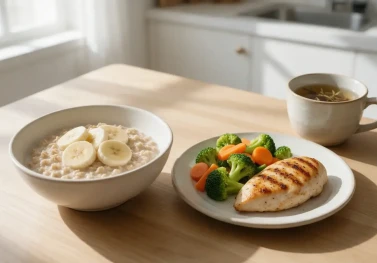
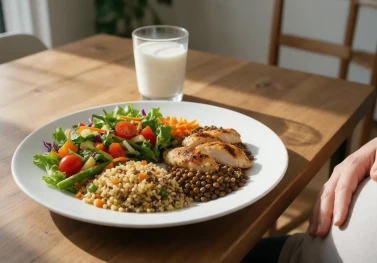
As a practical start, planning a palm-sized protein source (eggs, chicken, fish, pulses, yoghurt) at every main meal, half a plate of vegetables and a small portion of wholegrains, and drinking water regularly in small sips through the day, gives a balanced picture even when appetite is low. Portion sizes and the number of meals should be adjusted to the person's complaints and needs.
What Happens After You Stop the Injection?
When the medicine is stopped, appetite generally returns towards its former level and weight regain is common. For this reason, the time the medicine is used should be seen as an opportunity to establish sustainable eating and movement habits.
When and how to stop the medicine is decided by your doctor. On the nutrition side, it is important to plan this transition in advance and to review mealtimes, portions and snacking habits together. I covered this topic in detail in the article on whether weight comes back when you stop weight-loss injections.
Why Do Realistic Expectations Matter?
Realistic expectations are the key to keeping the process going whichever path you choose. The fast-transformation stories shared on social media do not reflect everyone's experience; the speed and amount of weight loss vary from person to person.
Measuring success in weight management only by the number on the scales can also be misleading. Improvements in blood sugar and blood pressure, being able to move more comfortably, sleeping better and an improved relationship with food are gains at least as valuable as weight. When setting goals, I make a point of including these health indicators in the follow-up.
- Judge weekly progress not by a single weigh-in but by the trend over a few weeks.
- Also note your waist measurement, energy level and sleep quality.
- Know that plateaus are normal; reviewing the plan together is often enough.
How Do You Find the Path That Suits You?
The path that suits you emerges when your doctor's medical assessment, your eating habits, your living circumstances and your goals are considered together. There is no single right method for everyone, and results vary from person to person.
Whether or not you take a medicine, for an individual nutrition plan and regular follow-up we can work together within online diet counselling. You can also read the article on sustainable weight management through individualised nutrition for the general principles of sustainable weight management.
Sources
- NHS – Semaglutide
- NIDDK – Prescription Medications to Treat Overweight & Obesity
- Mozaffarian D. et al. – Nutritional priorities to support GLP-1 therapy for obesity (Am J Clin Nutr, 2025)
- WHO – Obesity and overweight
This article is for general information only; please consult your doctor and dietitian about your own situation.
Frequently Asked Questions
Do I need to diet while using a weight-loss injection?
Yes. These medicines reduce appetite, but they do not decide what you eat. The NHS also stresses that semaglutide is used together with changes in diet and exercise; a balanced eating plan is needed to make sure you get enough protein, fluid and micronutrients.
Who can use weight-loss injections?
Only a doctor makes this decision. Body mass index, weight-related health problems, methods tried before, other conditions and medicines are assessed. Women who are planning a pregnancy, pregnant or breastfeeding must never use these medicines without a doctor's advice.
Is the injection the only solution for people who cannot lose weight on a diet?
No. Behind not being able to lose weight there may be too little sleep, stress, emotional eating, thyroid or hormone problems, medicine side effects or an unrealistic plan. It is important to assess these reasons first with a doctor and dietitian so that the right approach is chosen.
Why is dietitian support important after stopping the injection?
When the medicine is stopped, appetite generally returns towards its former level and weight regain is common. The healthy meal pattern, portion awareness and movement habits established during use help maintain weight in this period.
Is online dietitian support enough while using the injection?
Online appointments fit well with the injection process in terms of regular follow-up and quick feedback. The dose of the medicine, its side effects and blood tests are always under the follow-up of the doctor who prescribes it; dietitian support does not replace this medical follow-up but complements it.
Book an appointment for a personalised nutrition plan
The information in this article is general; what you need depends on your age, health and goals. Message us and we will build the plan that suits you together.

This content is for information only. For a personalised nutrition programme, please consult a dietitian.