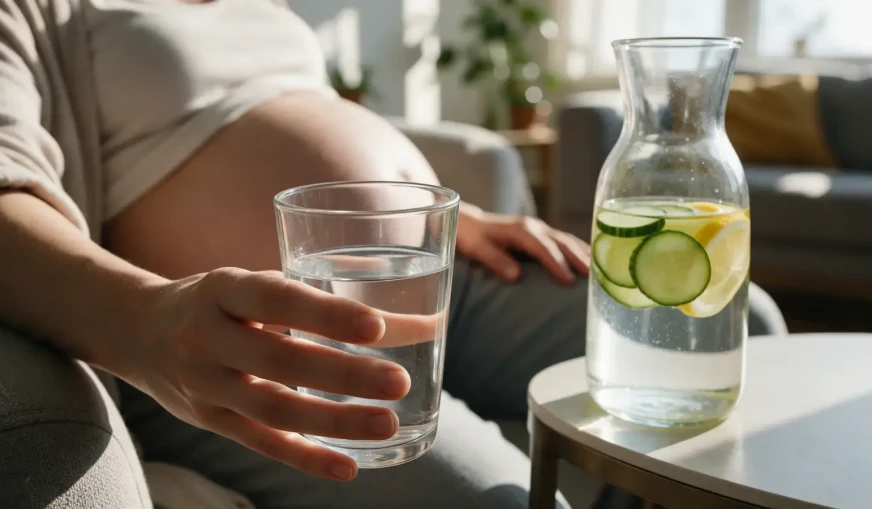
Drinking about 8–12 glasses of water a day (roughly 2–2.8 litres) in pregnancy is a suitable target for most pregnant women; the American College of Obstetricians and Gynecologists (ACOG) also recommends this range. Your needs rise in hot weather, after exercise, and if you have vomiting or diarrhoea. Pale yellow urine is a practical sign that you are getting enough fluid.
In pregnancy blood volume increases, the amniotic fluid around the baby forms and the kidneys work harder. That is why fluid needs rise compared with before pregnancy. Drinking enough water is also directly linked to many pregnancy complaints such as constipation, urinary tract health, headaches and tiredness.
- Drinking about 8–12 glasses of water a day in pregnancy is a general target; your personal needs vary with the weather, activity and health.
- Pale yellow urine is a practical sign of adequate fluid intake.
- Water, ayran (Turkish salted yoghurt drink), milk and soup are good sources of fluid; caffeinated and sugary drinks should be limited.
- Enough fluid helps prevent constipation and protect urinary tract health.
- If you cannot keep fluids down, pass very little urine, feel dizzy or have sudden swelling, see a doctor straight away.
Why Do Fluid Needs Rise in Pregnancy?
Increased blood volume in pregnancy, the formation of amniotic fluid, the baby's growth and a higher metabolism all raise fluid needs. The body also has to clear the baby's waste, so the kidneys' workload goes up.
Water helps carry nutrients in the blood, keeps digestion running regularly and balances body temperature. Because body temperature rises slightly in pregnancy and sweating can increase, fluid loss can build up without being noticed, especially in the summer months or in closed, hot environments.
How Much Water Should You Drink a Day in Pregnancy?
As a general target, 8–12 glasses of water a day are recommended in pregnancy. This amount is not fixed for everyone; your body weight, the season, your physical activity, losses such as vomiting and diarrhoea, and your health all change your needs.
The NHS also notes that the general recommendation of 6 to 8 glasses of fluid a day is only a starting point, and that more may be needed in pregnancy and while breastfeeding. The vegetables, fruit, soup and yoghurt you eat also contribute to your fluid intake.
If you have a condition that may require fluid restriction, such as heart or kidney disease, the amount that suits you must be set by your doctor.
Situations that raise fluid needs
- Hot weather and closed, hot environments: The more you sweat, the greater the loss; drink extra water in summer and in homes with central heating in winter.
- Exercise: Drink water before, during and after walking, swimming or pregnancy exercises your doctor has approved.
- Vomiting and diarrhoea: The fluid and minerals lost must be replaced; see a doctor if the complaint continues.
- Fever and infections: Fluid needs rise in feverish illnesses.
- Breastfeeding: Fluid needs also stay high while breastfeeding after birth.
Foods that provide fluid
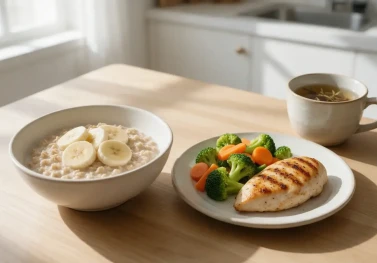
Part of your fluid need is met from food. Vegetables such as cucumber, tomato, courgette and lettuce; fruit such as watermelon, melon, orange and strawberries; and yoghurt, cacik (Turkish yoghurt and cucumber dip), ayran and homemade soups provide both water and vitamins and minerals. On days when you find it hard to drink water, adding foods like these to your meals is an easy way to raise your total fluid intake.
How Can You Tell If You Are Drinking Enough Water?
The most practical indicator is the colour of your urine: pale yellow, clear urine generally shows you are getting enough fluid, while dark yellow urine in small amounts shows you need to drink more. The feeling of thirst is also an important sign, but in pregnancy it is better to drink regularly without waiting to feel thirsty.
Other signs of dehydration include a dry mouth, headache, tiredness, dizziness, constipation and difficulty concentrating. Because these symptoms can have other causes, share them with your doctor if they continue.
Which Drinks Are Suitable in Pregnancy?
The main source of fluid in pregnancy should be water; ayran, milk, kefir and homemade soups are also good options. Caffeinated drinks should be limited, sugary drinks reduced and alcohol not consumed at all.
| Drink | Status in pregnancy | Note |
|---|---|---|
| Water | The basic source of fluid | Keep it with you through the day |
| Ayran, milk, kefir | Suitable | Should be pasteurised; they also provide calcium and protein |
| Soup | Suitable | Choose homemade and low-salt |
| Mineral water | In moderation | Watch the sodium content; ask your doctor if you have blood pressure problems or swelling |
| Tea and coffee | Limited | Contain caffeine; the NHS recommends that total daily caffeine does not exceed 200 mg |
| Herbal teas | With care | Not every herb is safe in pregnancy; ask your doctor |
| Fruit juice, fizzy and sugary drinks | Should be reduced | Add extra sugar and energy |
| Energy drinks, alcohol | Not recommended | High caffeine and alcohol are risky in pregnancy |
Remember that caffeine is found not only in coffee but also in tea, cola, energy drinks and chocolate. You need to count all the caffeinated drinks you have during the day together.
A situation that comes up often is drinking only tea all day and almost no water. You do not have to give up tea completely; but a simple rule such as adding a glass of water next to every glass of tea helps both to balance your caffeine and to close the fluid gap.
How Does Water Intake Affect Swelling, Constipation and Urinary Tract Health?
Drinking enough water helps prevent constipation, protect urinary tract health and regulate the body's fluid balance. Drinking too little water does not reduce swelling; on the contrary, the body can become more prone to holding fluid.
- Constipation: In pregnancy hormones slow bowel movements. A high-fibre diet only works together with enough water; increasing fibre without increasing water can make the complaint worse.
- Urinary tract health: Drinking water regularly and not holding in urine supports the health of the urinary tract. If you have burning, frequent or painful urination, fever or back pain, see your doctor; urinary tract infections in pregnancy must always be treated.
- Swelling: Mild swelling in the feet and ankles is common in the last months of pregnancy. Enough fluid, cutting back on salt and raising your legs can bring relief. For detailed advice on swelling, you can look at my article on how to reduce swelling in pregnancy.
Important warning: Swelling that develops suddenly in the face, around the eyes and in the hands, together with a severe headache, visual disturbances or upper abdominal pain, may be a sign of pre-eclampsia. In that case, see your doctor or the nearest healthcare facility without waiting.
Practical Tips for Drinking Water Through the Day
The easiest way to make drinking water a habit is to keep water always visible and within reach and to tie it to daily routines. Small reminders make a big difference to the total by the end of the day.
- Carry a bottle with measurements on it and keep track of how many times you fill it during the day.
- Drink a glass of water before every meal and after every trip to the toilet.
- If you do not like the taste of water, flavour it with cucumber, lemon, mint leaves or a few slices of fruit.
- Make it a habit to drink a glass of water first thing when you wake up.
- If you get up to the toilet often at night, take most of your fluids in the morning and afternoon.
How Do You Take Fluids During Nausea and Vomiting?
During nausea, drinking water in small sips through the day rather than in large amounts is tolerated more easily. Because taking a lot of fluid with meals can increase nausea, spreading your fluids between meals helps.
Cold water, ice chips, water with lemon, ayran or light soups can be alternatives in this period. Frequent vomiting leads to loss of fluid and minerals; if you cannot keep any fluid down, have not passed urine for more than 8 hours, or have dark urine, dizziness and palpitations, see your doctor straight away. For eating suggestions to ease nausea, you can read my article on nausea during pregnancy.
To tailor your fluid and eating routine in pregnancy, in line with your obstetrician's advice, we can work together within nutrition counselling for pregnancy.
Sources
- ACOG – How much water should I drink during pregnancy?
- NHS – Water, drinks and hydration
- NHS – Foods to avoid in pregnancy
- Body Water During Pregnancy: Physiology, Clinical Significance and Assessment Methods (Nutrients, 2026)
This article is for general information only; please consult your doctor and dietitian about your own situation.
Frequently Asked Questions
Does drinking a lot of water increase swelling in pregnancy?
No, drinking enough water does not increase swelling; on the contrary, it helps the body keep its fluid balance. However, swelling that develops suddenly, is marked in the face and hands, or comes with a headache may be a sign of high blood pressure and should be assessed by a doctor straight away.
Should I avoid drinking in the evening so I don't need the toilet at night?
You can meet most of your water needs during the day and reduce the amount a little in the evening. But do not avoid water if you are thirsty at night; cutting your total daily fluid raises the risk of dehydration.
Can you drink mineral water in pregnancy?
Mineral water can be drunk in moderation in pregnancy, but its sodium content varies by brand. If you have blood pressure problems or swelling, talk to your doctor about the daily amount, and let plain water be your main source of fluid.
Do tea and coffee count towards fluid needs?
Tea and coffee also add to your fluid intake, but because they contain caffeine they need to be limited in pregnancy. The NHS recommends that daily caffeine does not exceed 200 mg; meet most of your fluid needs with water.
I can't drink water because of nausea; what can I do?
Drink water not in big glasses but in small sips through the day; try alternatives such as cold water, water with a slice of lemon, ayran or soup. If you cannot keep any fluid down, your urine has become very scant or you feel dizzy, see your doctor without delay.
Book an appointment for a personalised pregnancy nutrition plan
Nutritional needs in pregnancy change with the week of pregnancy, weight change and test results. Message us for a plan that fits your doctor's advice.

This content is for information only. For a personalised nutrition programme, please consult a dietitian.