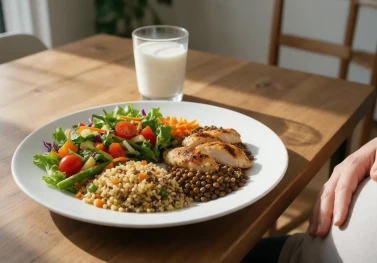
Foods that help with reflux are generally low in fat, low in acid and easy to digest: oats, bulgur and other wholegrains, cooked vegetables, low-acid fruit such as bananas and apples, lean proteins such as skinless chicken and fish, and yoghurt. Fatty and fried foods, chocolate, caffeine, mint, spicy and acidic foods and alcohol, on the other hand, make symptoms worse in many people.
Reflux is a common problem in which stomach contents flow back into the oesophagus (food pipe), showing up as symptoms such as a burning feeling in the chest, a bitter or sour taste in the mouth and belching. Whether medication is needed is for your doctor to decide; but what you eat, when you eat and how much can clearly affect how severe the symptoms are.
- Oats, wholegrains, cooked vegetables, lean protein and low-acid fruit are well tolerated by most people.
- Fatty and fried foods, caffeine, chocolate, mint, spicy food, tomato, citrus fruit and alcohol are common triggers.
- Triggers vary from person to person; keeping a food diary helps you find yours.
- Eating small, frequent meals, finishing your meal at least 3 hours before lying down and reducing excess weight can ease symptoms.
- If you have difficulty swallowing, weight loss, bloody vomit or black stools, see a doctor straight away.
What Is Reflux and Why Does Diet Matter?
Reflux is the leaking of stomach acid upwards when the muscle acting as a valve between the stomach and the oesophagus does not close properly. When symptoms become frequent and damage the oesophagus, it is called gastro-oesophageal reflux disease (GORD).
Some foods can cause this muscle to relax, some make the stomach empty more slowly, and others increase burning in an oesophagus that is already irritated. Large portions raise the pressure inside the stomach, while lying down straight after a meal makes it easier for acid to rise. That is why diet in reflux is not just a question of “what to eat” but of “how and when to eat”.
Which Foods Help With Reflux?
Foods that may help with reflux are low-fat, high-fibre, low-acid and easy to digest. They fill you up without raising acid secretion markedly and without slowing stomach emptying.
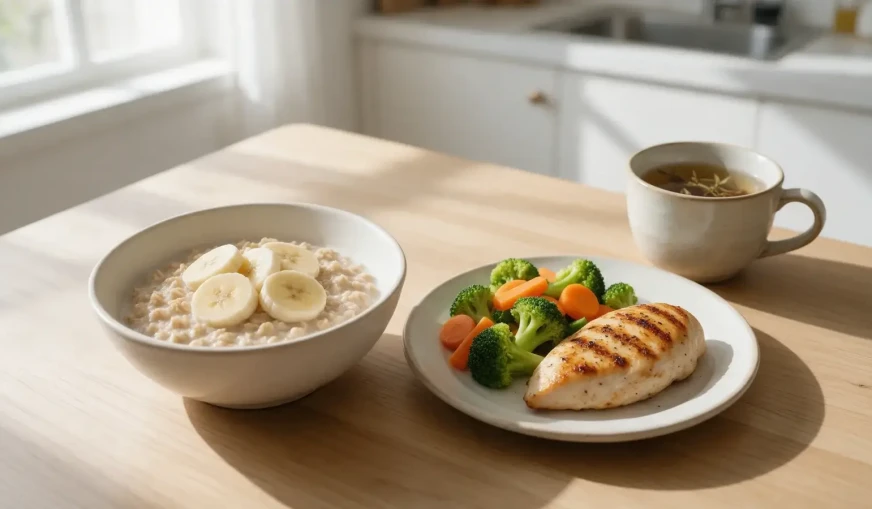
- Oats and wholegrains: Porridge, bulgur, wholemeal bread and brown rice provide fibre and keep the stomach feeling full for a long time.
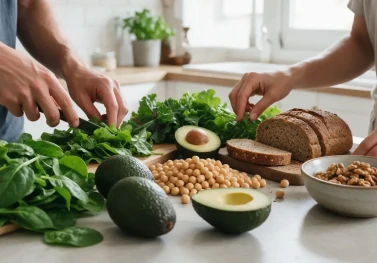
- Cooked vegetables: Courgettes, carrots, broccoli, green beans, potatoes and spinach are well tolerated when boiled, steamed or baked.
- Low-acid fruit: Bananas, apples, pears and melon are suitable choices for most people.
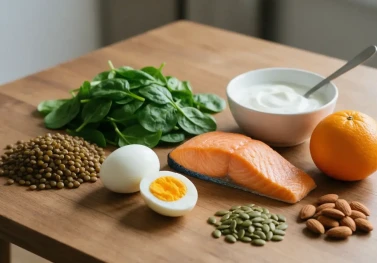
- Lean protein: Skinless chicken, turkey, fish, egg white and pulses (if well cooked and they do not cause gas).
- Yoghurt and kefir: Low-fat yoghurt is soothing for many people; but watch whether you tolerate it.
- Healthy fats in moderation: Olive oil, avocado and walnuts; fat causes no problem when the total amount is kept low.
For the general effects of a high-fibre diet on digestion, you can look at the article on the effects of high-fibre foods on the digestive system.
Which Foods Should You Avoid With Reflux?
The US National Institute of Diabetes and Digestive and Kidney Diseases (NIDDK) lists the foods most often linked with reflux symptoms as acidic foods such as citrus fruit and tomatoes, alcoholic drinks, chocolate, coffee and other sources of caffeine, fatty foods, mint and spicy foods.
| Generally well tolerated | Common triggers | Practical tip |
|---|---|---|
| Boiled, grilled and baked dishes | Fried foods, sautéed dishes, fatty sauces | Changing the cooking method is the first and easiest step |
| Oats, bulgur, wholemeal bread | Fatty pastries such as börek (savoury filled pastry) and poğaça (Turkish savoury bun) | Oats or wholegrain bread at breakfast instead of pastry |
| Banana, apple, pear, melon | Orange, grapefruit, lemon, tomato and dishes made with tomato paste | Try acidic foods in small amounts and on a full stomach |
| Herbal teas (except mint), water, ayran (Turkish salted yoghurt drink) | Coffee, black tea, cola, energy drinks, fizzy drinks | Cut back on caffeine and do not drink it on an empty stomach |
| Low-fat yoghurt, white cheese | Chocolate, creamy desserts | Have dessert in a small portion and during the day, not late in the evening |
| Mild spices (thyme, cumin) | Hot chilli, strongly spiced dishes, mint | Adjust the level of spice to your personal tolerance |
Not every food on this list has to cause a problem for everyone. For example, some people eat tomatoes comfortably while others may feel burning even with a small amount. Rather than banning lots of foods unnecessarily, identifying your own triggers is a more sustainable approach.
How Do You Find Your Own Triggers?
The most practical method is to keep a food diary for two to three weeks, noting what you eat, the time and whether you have symptoms afterwards. These records show whether your symptoms are linked to particular foods or to portion size and mealtimes.
Leaving out a food you suspect for a while and then trying it again in a small amount lets you tell whether it really is a trigger. Going through this process with your dietitian prevents unnecessary restrictions and keeps your eating balanced.
What Should a Meal Routine Look Like With Reflux?
With reflux, meals should be small and frequent, eaten without rushing, and dinner should be finished at least 3 hours before bed. The NIDDK also notes that, for people who have marked symptoms at night or on lying down, eating at least 3 hours before bed may ease the symptoms.
- Plan three main meals and one or two small snacks instead of three large meals.
- Do not lie down straight after eating, and put off tasks that require bending forward.
- Instead of drinking a lot of fluid with meals, spread your fluids between meals.
- If you have symptoms at night, slightly raising the head of your bed may help.
- Clothes that squeeze the waist can increase pressure on the stomach.
A sample day for reflux
Porridge, a banana and a few walnuts at breakfast; chicken with vegetables, bulgur pilaf and yoghurt at lunch; an apple as a snack; and in the early evening baked fish, boiled potatoes and a salad of cooked vegetables could make up a balanced, light day for someone with reflux. Portions and contents should be adapted to the person's health.
What Are Common Mistakes With Reflux?
The most common mistake is to ban lots of foods at once when symptoms increase and then return to the old routine soon after. This approach both unbalances the diet and makes it harder to find the real trigger.
- Going hungry all day and eating a big meal in the evening: Lying down when the stomach is at its fullest makes reflux easier.
- Trying everything known to be “good for the stomach”: Lemon water, vinegar or strong mint tea can increase burning in some people.
- Eating only white bread, rice and boiled foods: This creates a gap in fibre and vitamins and can start constipation.
- Stopping medicines on your own or using them for a long time without a prescription: The duration and form of treatment should be set by your doctor.
In managing reflux, the aim is to settle into an eating pattern with regular mealtimes made up of a variety of foods that suit you.
How Do Weight and Lifestyle Affect Reflux?
Excess weight, especially fat around the abdomen, can make reflux easier by increasing pressure on the stomach. The NIDDK notes that for people with reflux who are overweight, losing weight may help reduce symptoms.
Stopping smoking, limiting alcohol and developing ways to cope with stress are also part of managing reflux. If weight loss is needed, doing it with a balanced and sustainable plan rather than very low-calorie diets is better for both the digestive system and general health.
When Should You See a Doctor?
If you have difficulty swallowing or pain on swallowing, unexplained weight loss, vomit that is bloody or looks like coffee grounds, black stools, chest pain, or symptoms that do not go away despite medication, see your doctor without delay. Chest pain can also come from the heart, so do not decide on your own that it is “just reflux”.
The choice and duration of reflux medicines are for your doctor. On the nutrition side, we can work together to identify your triggers and build a meal routine that suits you within nutrition counselling for medical conditions. For heartburn in pregnancy, you can read my article on what helps heartburn in pregnancy.
Sources
This article is for general information only; please consult your doctor and dietitian about your own situation.
Frequently Asked Questions
Is drinking milk good for reflux?
Milk may seem soothing for a short time, but full-fat milk in particular can later increase acid secretion in some people and trigger symptoms. A better approach is to try semi-skimmed milk or yoghurt in small portions and watch how your body reacts.
Can you eat bananas and apples with reflux?
Low-acid fruit such as bananas and apples are well tolerated by most people with reflux. Even so, tolerance varies from person to person; if a fruit makes your symptoms worse, take a break from it and assess it with your dietitian.
Should coffee be given up completely with reflux?
Caffeine can make reflux symptoms worse in some people, but it may not need to be given up completely for everyone. Cutting down the amount, not drinking it on an empty stomach and watching whether symptoms increase after coffee is a good place to start.
Should I drink lemon water or apple cider vinegar for reflux?
Acidic drinks can increase burning if the oesophagus is irritated, and there is no strong evidence that they treat reflux. Rather than “natural cure” suggestions of this kind, base yourself on the treatment your doctor recommends and regular eating habits.
When does reflux point to something serious?
Difficulty swallowing, unexplained weight loss, vomit that is bloody or like coffee grounds, black stools, chest pain, or symptoms that last for weeks despite medication should be assessed by a doctor. With these symptoms, go to a healthcare facility without delay.
Book an appointment for a personalised nutrition plan
The information in this article is general; what you need depends on your age, health and goals. Message us and we will build the plan that suits you together.

This content is for information only. For a personalised nutrition programme, please consult a dietitian.