
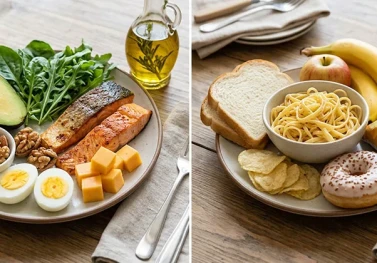
What to Eat on a Ketogenic Diet? Guide to Allowed and Forbidden Foods
The answer to what to eat on a ketogenic diet lies in low-carb vegetables, healthy fats, and high-quality protein sources.
15 results found
The answer to what to eat on a ketogenic diet lies in low-carb vegetables, healthy fats, and high-quality protein sources.
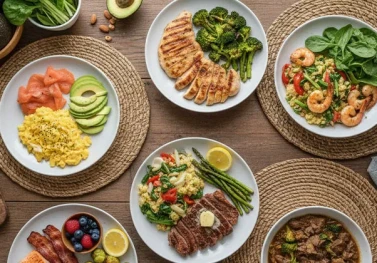
The sample ketogenic diet menu we prepared offers a 7-day starter plan based on low carbohydrate and high fat intake principles.
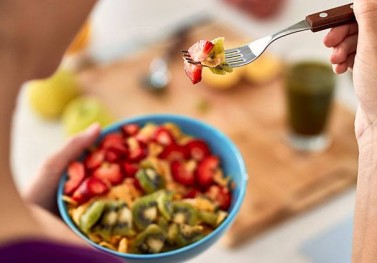
Learn how healthy eating and dieting differ and how they relate: weight management, a healthy lifestyle and sustainable eating habits explained simply.
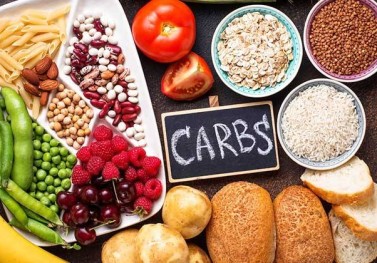
Carbohydrate sources for active people: complex and quick-release options, what to eat before and after training, general daily guides and points to remember.
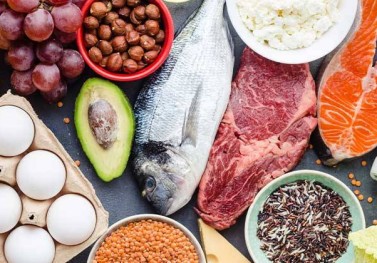
Eating for endurance sport: a general guide to macronutrient balance, a daily meal pattern, pre- and post-training food, hydration and supplements to discuss.

Explore how nutrition and genetic factors shape your metabolism, from the FTO gene to protein, carbohydrates and fats, and how lifestyle choices fit in.
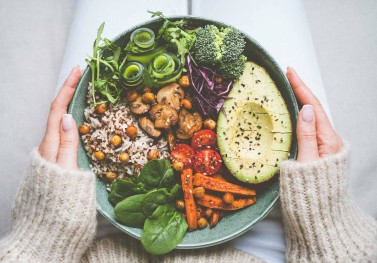
How to build a balanced, colourful plate for breakfast, lunch and dinner, with protein, fibre, healthy fats and vegetables in sensible proportions.
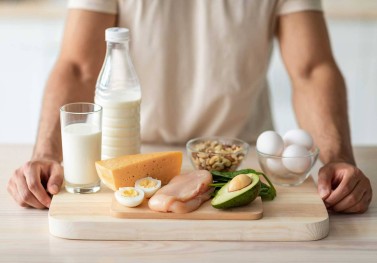
How to build a 3,000-calorie diet for healthy weight gain: macronutrient ranges, foods to choose and avoid, and a sample 5-day meal plan to follow.

The general principles of healthy eating: balance across food groups, enough water, less salt, healthy fats, sensible cooking methods and plenty of fruit and vegetables.

Simple nutrition tips for office workers: balanced meals, practical snacks, a quick office breakfast, drinking water, moving regularly and infused water ideas.
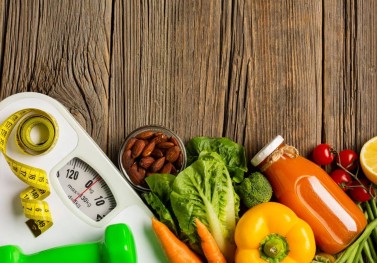
Why weight is often regained after a diet and six practical habits for maintaining a steady weight: balanced eating, snacks, sleep, meal timing and movement.

Instead of crash diets before summer, make healthy lifestyle changes: regular meals, balanced carbohydrates, water, movement and professional guidance.
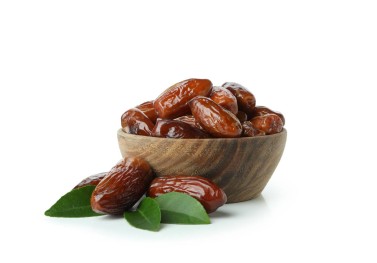
Practical tips for eating well during Ramadan: fluids, a gentle iftar, a balanced suhoor, snacks, movement and what to limit, for a comfortable month of fasting.

On food labels, kcal and calories mean the same thing, and 1 kcal equals about 4.18 kJ. Learn how energy is shown on labels in different countries.
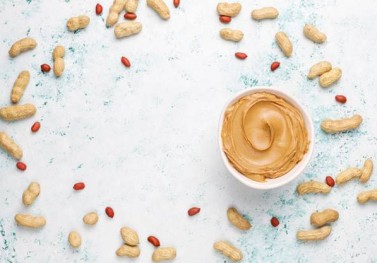
Peanut butter made from peanuts only is a good source of protein and healthy fats. Learn about its nutrition, calories and how to read the label.