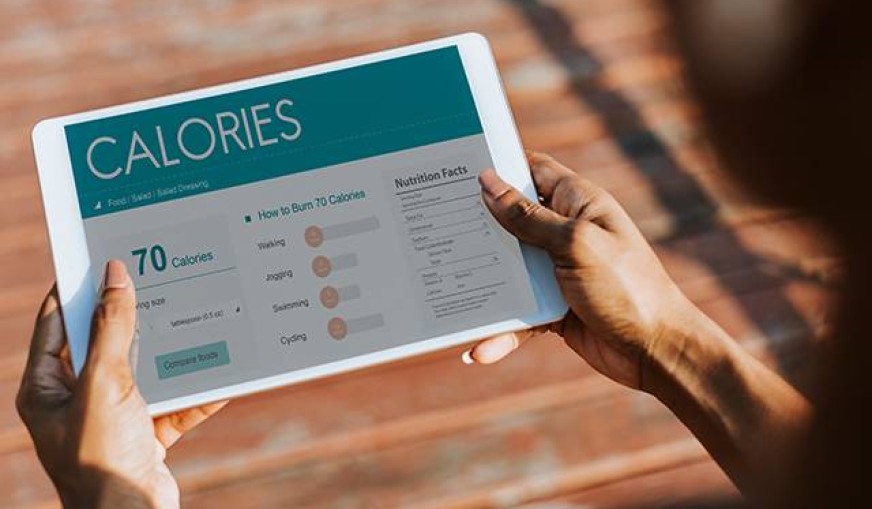
In short: In nutrition, kcal (kilocalorie) and calorie are used to mean the same thing: 1 calorie on a food label is 1 kcal. In physics, 1 kcal equals 1,000 small calories (cal). On labels in Europe, energy is also written in kilojoules, and 1 kcal is about 4.18 kJ. So you can read a product marked in kcal directly as its calorie value.
What Are Kcal and Calories?
Calories are a measure of energy. They express the amount of energy in food and drink, or the amount of energy you burn when you exercise.
Depending on where you live, energy may also be measured in kilocalories (kcal) and kilojoules (kJ).
This can be confusing, especially if you are counting calories or comparing the calorie content of various foods and drinks.
Main Differences Between Kcal and Calories
The unit differs depending on whether the letter "c" in calorie is written in upper or lower case.
A capital "C" refers to the amount of energy needed to raise the temperature of 1 kg of water by 1 °C.
A small "c", on the other hand, refers to the amount of energy needed to raise the temperature of 1 gram of water by 1 °C.
According to these definitions, because 1 kg equals 1,000 grams, 1 C = 1,000 c.
To avoid confusion between large and small calories, the term kilocalorie, with the prefix "kilo" meaning 1,000, is thought to have been created to refer to a large calorie.
However, the term small calorie is rarely used today outside physics and chemistry research.
Instead, the terms calorie, whether written with a capital letter or not, and kcal are used interchangeably and refer to the same amount of energy in relation to the energy in food or burned through exercise.
For this reason, in nutrition 1 kilocalorie equals 1 calorie, so you do not need to convert between them.
Calories can also be expressed in kilojoules (kJ).
One calorie (kcal) equals 4.18 kJ, or 4,184 joules (J).
To convert from calories to kJ, multiply the calorie value by 4.18. Conversely, to convert from kJ to calories, divide the kJ by 4.18.
For example, a medium banana (118 g) provides 105 calories (kcal) or 439 kJ.
When it comes to nutrition and exercise, kilocalories (kcal) and calories equal the same amount of energy. Calories can also be expressed in kilojoules (kJ), where one calorie or kcal equals 4.18 kJ.
How Are the Terms Kcal and Calorie Used?
Regulations require food and drink producers to display a nutrition label on their products. Among other information, it lists the amount of energy the item contains per portion or by weight.
The nutrition label helps inform you whether packaged food and drink is healthy, and also whether it contains ingredients you may need to avoid because of allergy, intolerance or personal preference.
Depending on where you live, the nutrition information panel may express the energy value of a food or drink as calories, kcal, kJ or a combination of these.
Below is a list of countries and which label they use for energy:
- United States: calories
- Canada: calories
- European Union (EU): kJ and kcal
- Australia and New Zealand: kJ, or both kJ and kcal
- China: kJ
Producers determine the number of calories in a food or drink from the amount of energy-providing nutrients it contains.
The three main energy-providing nutrients are:
- protein
- carbohydrate
- fats
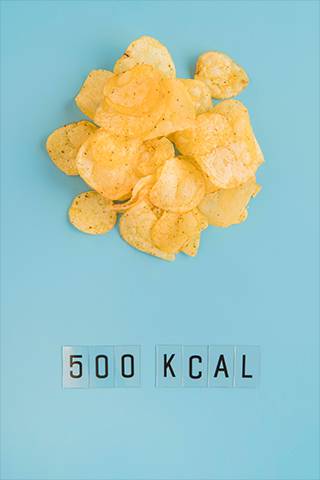 Protein and carbohydrate each provide about 4 calories (16.7 kJ) per gram, while fat provides 9 calories (37.6 kJ) per gram.
Alcohol also provides 7 calories (29.3 kJ) per gram.
Producers round to the nearest 1 gram, so if you were to add up the calories or kJ from each of the macronutrients, the total may differ slightly from the number listed on the nutrition label.
In addition, the nutrition labels of foods containing fibre, which is classified as a carbohydrate, may show fewer calories than you calculate.
This is because, depending on the type, fibre is either indigestible or poorly digested, so it contributes zero or few calories.
Book an appointment for a personalised nutrition plan
The information in this article is general; what you need depends on your age, health and goals. Message us and we will build the plan that suits you together.

This content is for information only. For a personalised nutrition programme, please consult a dietitian.