

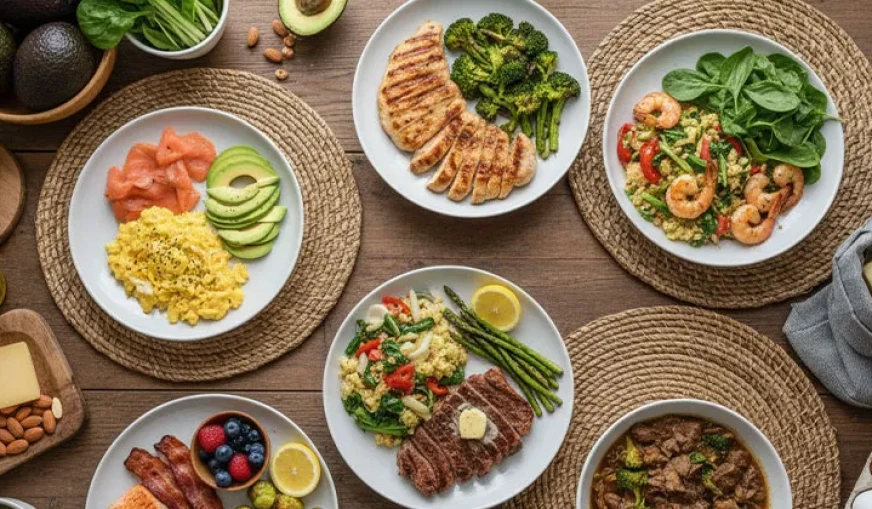
The ketogenic diet, increasingly popular in recent years, is a metabolic approach that encourages the body to use fats instead of carbohydrates as its primary energy source. Many people interested in starting this process may find it challenging to combine the right foods effectively. In this context, a balanced and practical sample ketogenic diet menu is crucial for those aiming for a healthy beginning.
In this guide, you will understand the fundamentals of ketogenic nutrition and see how you can organize your meals through a one-week sample plan. However, it is important to remember that everyone’s metabolism, lifestyle, and health background differ. Therefore, the provided lists are intended as a general framework; for the most accurate results, a personalized approach should be adopted. Let’s explore the ketogenic diet details and the sample menu plan closely.
What Is the Ketogenic Diet and How Does It Work?
The ketogenic diet is a nutritional model where carbohydrate intake is drastically reduced (usually between 20-50 grams per day) while fat intake is increased. When glucose from carbohydrates becomes scarce, the body begins converting fats into ketones in the liver to produce energy. This metabolic state is called "ketosis." For more detailed information, see our ketogenic diet guide.
The Ketosis Process and Macronutrient Distribution
Ketosis means the body switches to using fat and ketones as its main fuel. For this process to function efficiently, macronutrients—protein, fat, and carbohydrates—must be consumed in specific ratios. In a standard ketogenic diet, approximately 70-80% of energy comes from fats, 20-25% from proteins, and 5-10% from carbohydrates.
Maintaining this balance helps regulate blood sugar levels and prolongs satiety. However, excessive protein intake can convert to glucose via gluconeogenesis, so optimizing macronutrient proportions for each individual is important.
Who Is It Suitable For?
The ketogenic diet may be chosen for weight management, insulin resistance support, and some neurological conditions. It is not suitable for everyone. Individuals with pancreatic, liver, thyroid, or gallbladder issues, as well as pregnant or breastfeeding women, should consult their healthcare provider before starting this diet. Current studies available on PubMed emphasize the importance of medical supervision during adherence.
7-Day Sample Ketogenic Diet Menu
Being organized when starting keto is critical for long-term sustainability. The sample ketogenic diet menu below is a general plan intended to provide ideas. Portion sizes will vary based on individual energy needs.
Day 1
- Breakfast: 2 eggs fried in butter, half an avocado, and 5-6 olives.
- Lunch: Tuna salad with plenty of greens and olive oil (no corn).
- Dinner: Oven-baked salmon with steamed broccoli and cauliflower.
Day 2
- Breakfast: Omelette with mushrooms and cheddar, served with fresh cucumber.
- Lunch: Grilled chicken breast with arugula salad dressed in olive oil and lemon.
- Dinner: Zucchini spaghetti with minced meat, topped with garlic yogurt.
Day 3
- Breakfast: Chia pudding made with unsweetened almond milk, topped with a few walnuts.
- Lunch: Mediterranean salad with feta cheese and plenty of olive oil.
- Dinner: Grilled ribeye or filet steak with sautéed asparagus.
Day 4
- Breakfast: Boiled egg, a slice of full-fat white cheese, and walnuts.
- Lunch: Choose a green smoothie suitable for keto from our ketogenic smoothie recipes (avocado, spinach, cucumber-based).
- Dinner: Oven-baked meatballs (no bread crumbs) with grilled peppers and tomatoes.
Day 5
- Breakfast: Keto bread made from almond flour with cream cheese and smoked turkey.
- Lunch: Artichokes cooked in olive oil (no potatoes or peas) served with yogurt.
- Dinner: Steamed sea bass with a lemon-dressed seasonal salad.
Day 6
- Breakfast: Menemen (Turkish-style scrambled eggs with onion and pepper, eaten without bread), plus 7-8 almonds.
- Lunch: Smoked turkey slices wrapped in lettuce leaves with avocado.
- Dinner: Olive oil sautéed green beans (unsweetened) with grilled chicken thighs.
Day 7
- Breakfast: Keto pancakes made with coconut or almond flour, topped with a small amount of unsweetened peanut butter.
- Lunch: Green salad with boiled egg and avocado.
- Dinner: Oven-baked lamb chops with aubergine purée (prepared without flour, just grilled aubergine and cheddar cheese).
Key Considerations When Preparing a Ketogenic Menu
Success on keto requires more than following a list; choosing the right foods and managing meal preparation are also essential.
Keto-Friendly Foods and What to Avoid
The key to keto success lies in avoiding hidden carbohydrates. Grains, legumes, root vegetables (potatoes, carrots), and sugary fruits can disrupt ketosis. Instead, focus on healthy fat sources (olive oil, avocado, butter), quality proteins, and above-ground vegetables.
Meal Prep and Portion Control
Weekly meal preparation makes adherence easier. Washing and chopping vegetables ahead or portioning and freezing meats saves time. Being organized, as explained in our guide on building healthy eating habits, prevents turning to unsuitable foods during unexpected hunger.
Why Is a Personalized Ketogenic Diet Plan Important?
General lists found online can offer initial ideas but may prove insufficient long-term. Every individual’s basal metabolic rate, daily activity level, blood markers, and food intolerances vary. A standard plan may lead to vitamin-mineral deficiencies or unwanted muscle loss.
Sustainable success also requires motivation. As we discuss in our article on diet motivation tips, an unsuitable plan can reduce your motivation. Professional support helps you manage the process without risking your health. Personalized plans are more easily integrated into your lifestyle, increasing the likelihood of success. Our online diet consultancy service offers tailored solutions for this purpose.
Create Your Customized Ketogenic Plan with Online Diet Consultancy
You are not alone on your journey to a healthy life. Through our ketogenic diet service, we evaluate your blood tests and health history to design a fully personalized roadmap.
Our goal is not merely weight loss but improving your quality of life with healthy weight loss methods. You can turn your sample ketogenic diet menu search into a scientifically grounded professional program by contacting us.
The information provided here is for general informational purposes only and does not constitute medical advice, diagnosis, or treatment. The ketogenic diet or any nutritional program may have different effects depending on individual health conditions. It is essential to consult your doctor or a qualified dietitian before starting any diet plan. Nazlı Gülşah Doğan, Registered Dietitian, and her team disclaim any liability for health issues that may arise from the improper use of this information. Do not delay seeking professional medical care if you have concerns about your health.
Frequently Asked Questions
What foods are allowed on a ketogenic diet?
On a ketogenic diet, low-carb vegetables (spinach, broccoli), healthy fats (olive oil, avocado, butter), meat, fish, eggs, cheese, and nuts (walnuts, almonds) are allowed. Grains, sugary foods, and starchy vegetables should be avoided.
What does a sample ketogenic diet menu look like?
A sample ketogenic menu keeps carbohydrates to a minimum. Breakfast typically includes eggs and cheese, while lunch and dinner feature a protein source (meat/fish/chicken) paired with plenty of fibrous green vegetables and healthy fats.
What should I consider when starting a ketogenic diet?
When starting a ketogenic diet, it is important to increase water intake and pay attention to electrolyte balance (sodium, potassium, magnesium). Be prepared for potential "keto flu" symptoms during the adaptation phase and always consult a healthcare professional.
What are the potential benefits of a ketogenic diet?
Scientific studies suggest that the ketogenic diet may help with fast weight loss, blood sugar regulation, and improving insulin sensitivity. It is also used as a medical nutrition therapy for certain neurological conditions, such as epilepsy.
Is water intake important on a ketogenic diet?
Yes, water intake is crucial on a ketogenic diet. Carbohydrate restriction increases water loss, raising the risk of dehydration. Drinking at least 2.5-3 liters of water daily supports proper metabolic function.
Book an appointment for a personalised nutrition plan
The information in this article is general; what you need depends on your age, health and goals. Message us and we will build the plan that suits you together.

This content is for information only. For a personalised nutrition programme, please consult a dietitian.


