When Ramadan arrives, everyone who follows a particular eating plan and will be fasting has questions about how to eat during the month. Because the eating pattern changes in Ramadan and the period without food is longer, the energy and fluids taken in each day can drop. For this reason, the meals you eat in Ramadan should contain the macronutrients and micronutrients you need, and the stomach should not be overloaded all at once.
Most importantly, we should never forget why we fast in Ramadan. Avoiding waste and training the self are central in this month, and a person fasting should step away from the habit of rewarding themselves with food, in order to stay well.
CAN YOU MANAGE YOUR WEIGHT DURING RAMADAN?
One of the biggest complaints in Ramadan is weight gain. Blood sugar drops as iftar approaches, so people eat much faster than usual at iftar. Long periods without food can also slow metabolism, and together with reduced activity this can make weight gain more likely. However, when your Ramadan eating is adequate and balanced and your lifestyle adapts to it, it is possible to manage your weight during Ramadan too.
THINGS TO WATCH FOR WHEN EATING IN RAMADAN
There are a few points to bear in mind to avoid gaining weight in Ramadan. Your lifestyle matters as much as your eating plan, so combining the two can support your weight management.
Ramadan Nutrition: Pay Attention to Your Fluids
Water is important for our health at every stage of life, not only in Ramadan. But because the hours when you can drink are limited in Ramadan, it may need extra care. Between iftar and suhoor, it is important to sip water at intervals to meet your needs.
As always, aim to meet your daily fluid needs mainly with water. Tea, coffee and mineral water do not replace water. Many adults aim for about 1.5-2.5 litres of water a day, though your own needs may differ.
Do Not Eat Too Fast
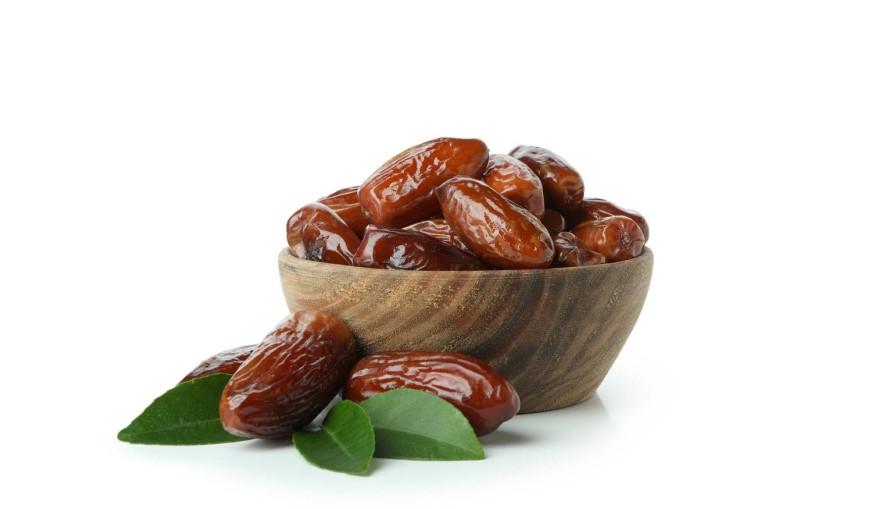
As mentioned above, blood sugar drops as iftar approaches, so people eat faster than normal. But eating quickly and without control after a long fast can lead to weight gain, a sudden rise in blood pressure and a rise in blood sugar. So begin iftar with light foods such as dates, olives and soup, and take a short break before moving on to other dishes. Chewing food well is also important, and this helps prevent indigestion.
Moving Matters as Much as What You Eat in Ramadan
It is quite normal to experience indigestion and digestive discomfort after iftar. However, eating slowly and chewing well often helps prevent these problems.
Another thing that helps with indigestion is movement. Moving after iftar can ease stomach and bowel discomfort. You can also drink soothing herbal teas such as fennel or mint-lemon after iftar. People who have been inactive all day are encouraged to take at least half an hour's walk after iftar. As long as your Ramadan eating is balanced and you add regular exercise, you can support your weight management during Ramadan.
Include a Snack in Your Ramadan Eating Plan
Going without food for a long time can lead to some health problems, and it also increases the urge to eat more. A snack between iftar and suhoor can replace desserts and support weight management. You can also add fruit between iftar and suhoor, as there is no fruit during the day, which is helpful for your bowel movement.
Limit Very Oily and Spicy Foods
Fatty foods are hard to digest. After a long fast, eating very oily dishes can cause indigestion. You can eat healthy fats, but the important thing is to avoid fried foods. Also limit very spicy foods, especially if you have a digestive condition such as reflux.
Instead of foods that upset your stomach and are hard to digest, choose foods that keep you feeling full for a long time. For this reason, choose protein-rich foods, and include high-fibre foods for your bowel health.
Break Your Fast with Water and Start Iftar with Soup
Starting the meal with water and olives or dates and then continuing with soup can help you eat less and more calmly at iftar. Also take a 20-minute break after the soup, before the main course. This way you begin to feel full before you start the main meal.
Do Not Skip Suhoor
To follow your Ramadan eating plan in a healthy way, have suhoor. In particular, you can have foods that help you feel full for longer during the day, such as eggs, cheese and milk.
Ramadan Eating Pattern: Iftar
- Break the fast with water and olives, or dates.
- Start the meal with soup.
- Take a break after the soup.
- Include a vegetable dish or a salad.
- Have yoghurt or ayran (a Turkish salted yoghurt drink).
- Include meat, chicken or fish.
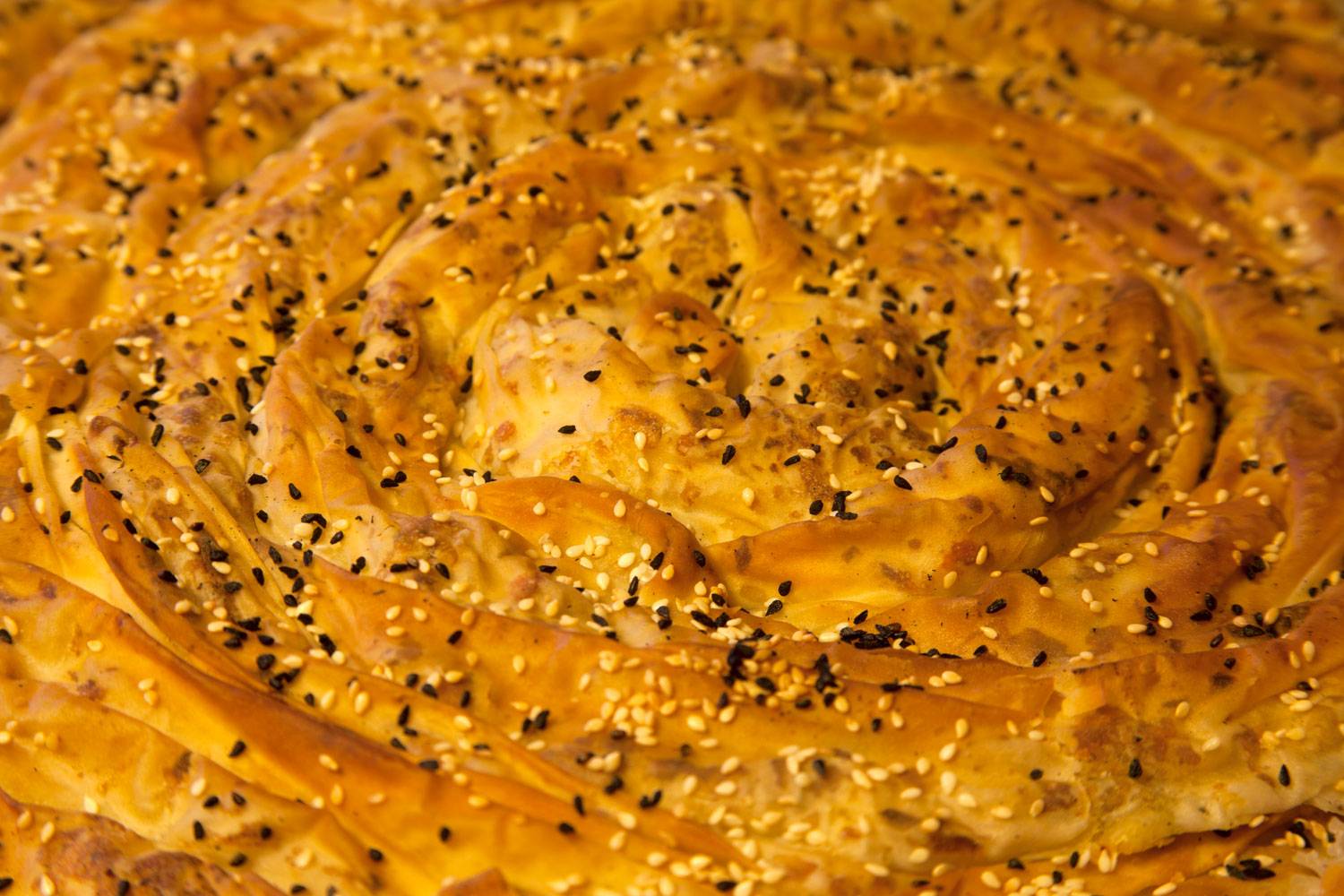
- Choose pide (Turkish flatbread) with your meal. You could have 1/8 of a pide instead of 2 slices of bread.
- If you have dessert, choose a light, milk-based one, and have it as a snack later rather than straight after iftar.

Ramadan Eating Pattern: Suhoor
- Having suhoor as a breakfast-style meal is a suitable approach.
- Include protein sources such as eggs, milk, cheese and yoghurt at suhoor.
- Drink plenty of water.
- Have 1 seasonal fruit as part of a varied, healthy diet.
- Avoid salty foods, because they can make you thirstier during the day.
- Drinks with a diuretic effect, such as tea and coffee, can also cause the body to lose more water.
If you have a health condition, are pregnant, or take regular medication, please speak with your doctor before fasting. This article is for general information only; please consult your doctor and dietitian about your own situation.
Book an appointment for a personalised nutrition plan
The information in this article is general; what you need depends on your age, health and goals. Message us and we will build the plan that suits you together.

This content is for information only. For a personalised nutrition programme, please consult a dietitian.