


What Is Peanut Butter?
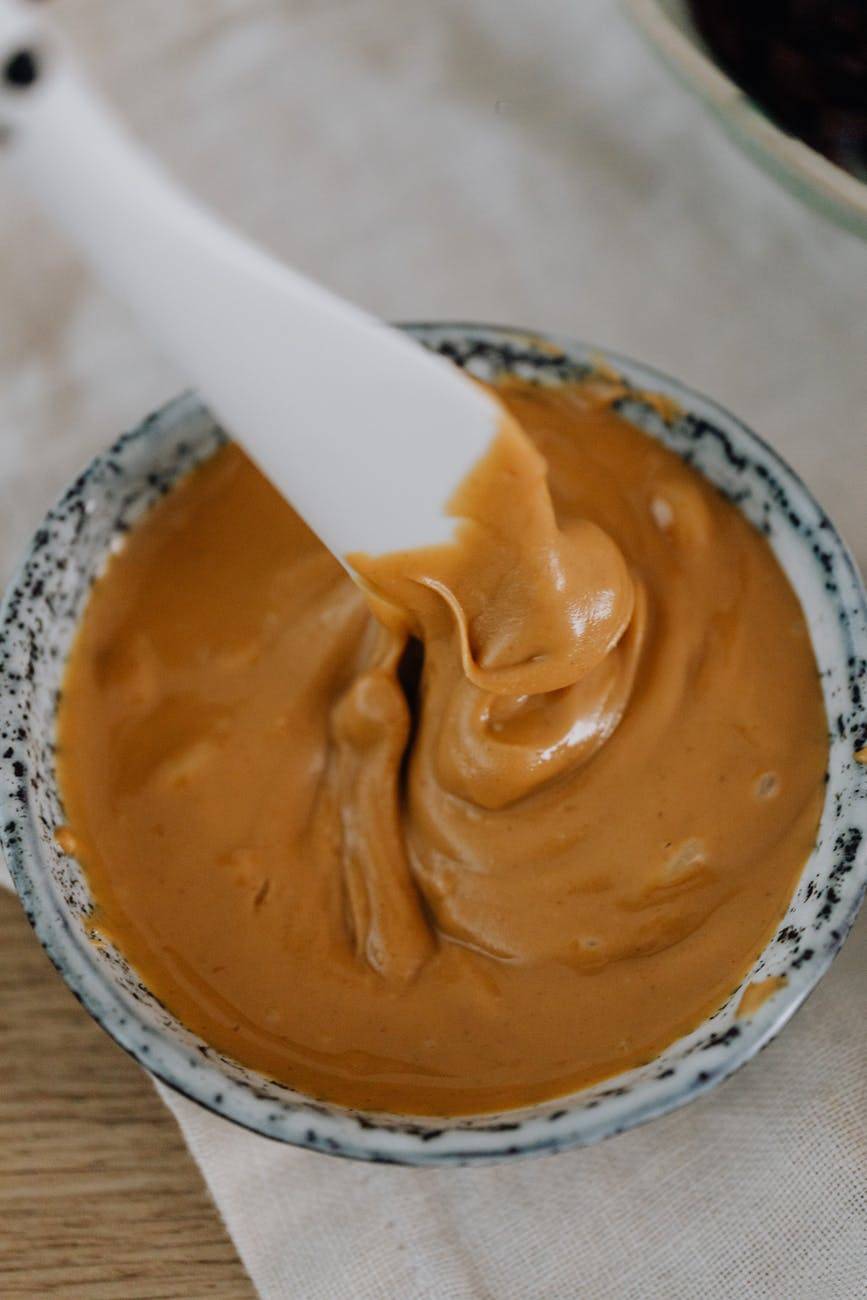 Peanut butter is made by roasting peanuts and grinding them until they turn into a paste. It is a relatively unprocessed food. The process we have described applies to pure peanut butter made from peanuts only. Alongside it, many brands also sell lower-quality peanut butters with added vegetable oils, sugar and trans fat.
When buying peanut butter, we should read the product label and try, as far as possible, to choose products made only from peanuts. As long as it has no added vegetable oil, sugar or trans fat, some products may contain a little salt. There are studies showing that high consumption of added sugar or trans fat may contribute to many health problems, such as heart disease.
What Are the Benefits of Peanut Butter?
Peanut butter is a good source of protein. There are 25 g of protein in 100 g. Its carbohydrate content is low and it raises blood sugar quite slowly. For this reason it can be a reasonable choice for people with type 2 diabetes or insulin resistance, who should check with their doctor and dietitian first.
Research has suggested that regularly eating peanut butter may be associated with a lower risk of type 2 diabetes, by around 20%. Oleic acid, one of the main fat sources in peanut butter, and the antioxidants it contains are thought to be behind these favourable effects.
Peanut butter also contains linoleic acid, an omega-6 fat. It has been suggested that linoleic acid may increase inflammation because it raises omega-6 intake. However, large meta-analyses have not found that linoleic acid raises inflammation unless it is taken in very high amounts.
The antioxidant content of peanut butter is rich. It contains p-coumaric acid, which is being studied in relation to joint health. It also contains resveratrol, which has been studied in relation to the risk of chronic conditions such as heart disease.
What Is the Nutritional Value of Unsweetened Peanut Butter and How Many Calories Does It Have?
Unsweetened peanut butter contains a good proportion of all 3 macronutrients. 100 g of unsweetened peanut butter contains:
- 25 g of protein,
- 20 g of carbohydrate,
- 50 g of fat,
- 6 g of fibre.
Peanut butter is also quite rich in vitamins and minerals. In 100 g it provides:
- 9 mg of vitamin E, 45% of the daily requirement,
- 74 mcg of folate, 18% of the requirement,
- 154 mg of magnesium, 39% of the requirement,
- 13.4 mg of vitamin B3 (niacin), 67% of the requirement,
- 0.5 mg of vitamin B6, 27% of the requirement,
- 1.5 mg of manganese, 73% of the requirement.
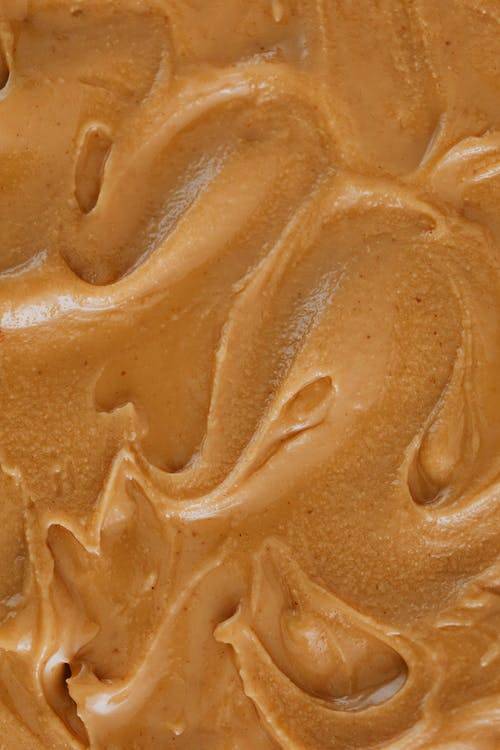 100 g of unsweetened peanut butter has 588 kcal. Because of its high calorie content, 100 g is not usually eaten in weight management plans. If we think of a portion of 20-30 g, these amounts will be lower. Relative to its calories, it does not contain micronutrients in as good a proportion as green vegetables.
How Can Peanut Butter Fit Into a Weight Management Plan?
Large studies with more than a hundred thousand participants have suggested that diets high in monounsaturated fat, as in peanuts, may support weight management in addition to helping protect against health problems.
Peanut butter may fit into a weight management plan by supporting steadier blood sugar and helping to keep appetite in check. The rich fats and proteins in peanut butter can lengthen the time before we feel hungry again and increase the feeling of fullness. In this way we may find it easier to lower calorie intake.
Processed foods with a high starch content, in particular, can cause our blood sugar to rise quickly. Unbalanced blood sugar opens the way to obesity and diabetes. Peanut butter has a fairly low glycaemic index. It raises blood sugar slowly and steadily. While keeping blood sugar steady, it gives us fat, protein and fibre. In a clinical study carried out in 2018, eating 2 tablespoons of peanut butter alongside a meal that normally has a high glycaemic index was found to lower the glycaemic effect of the meal considerably and may help to keep the rise in blood sugar under control.
If we are going to eat peanut butter in particular for weight management, we should make sure that the product we buy has no added sugar, vegetable oil or trans fat. That way we can use it in our eating plan, getting fibre, protein and healthy fat without taking in extra, unnecessary calories.
This article is for general information only; please consult your doctor and dietitian about your own situation.
Book an appointment for a personalised nutrition plan
The information in this article is general; what you need depends on your age, health and goals. Message us and we will build the plan that suits you together.

This content is for information only. For a personalised nutrition programme, please consult a dietitian.


