

Nutrition in Irritable Bowel Syndrome (IBS)
What IBS is, possible contributing factors, and eating approaches that are often discussed, including fibre, low FODMAP, gluten-free and low-fat diets, with professional guidance.
9 results found
What IBS is, possible contributing factors, and eating approaches that are often discussed, including fibre, low FODMAP, gluten-free and low-fat diets, with professional guidance.
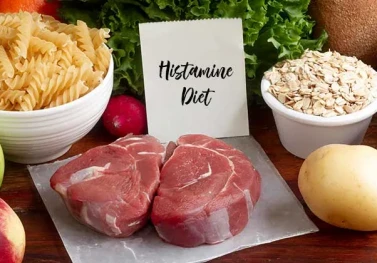
What is a histamine diet and who might consider it? Learn about histamine intolerance symptoms, lower-histamine foods and foods that are usually limited.
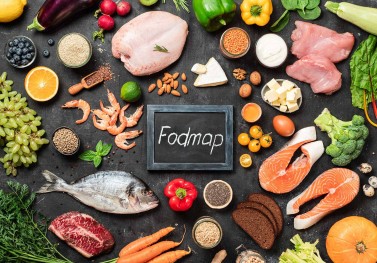
What does the latest research say about the low-FODMAP diet and IBS? Effects on mood, immune activation, gut permeability and the gut microbiome.
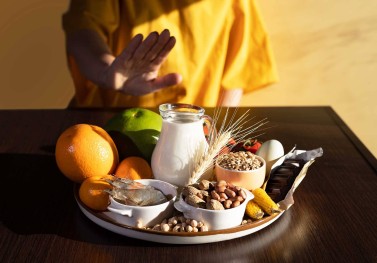
What is an elimination diet? Who might consider it, how the elimination and reintroduction phases work, and why professional guidance matters.
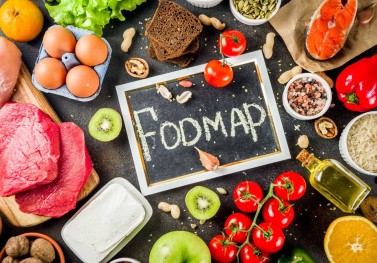
What FODMAPs are, how the low FODMAP diet is used to manage IBS symptoms such as gas and bloating, which foods are limited, and why dietitian supervision matters.
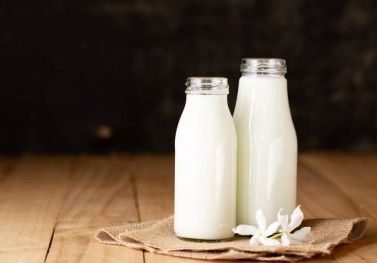
Kefir is milk fermented with cultures; kombucha is fermented tea. Compare their nutrition, probiotic content, taste and who should avoid each.
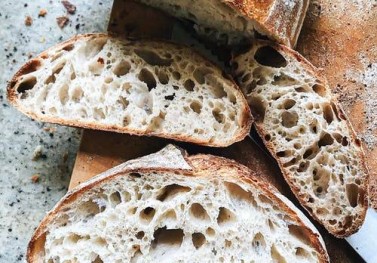
Wholemeal flour keeps the bran, germ and endosperm of the wheat grain. See its nutrition, uses, gluten content and how it compares with white flour.
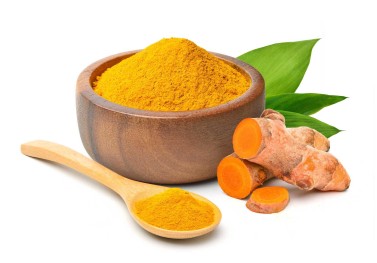
Curcumin, the main active compound in turmeric, has been studied for its anti-inflammatory properties. See what research suggests and how to use it.

Butter is high in calories and saturated fat but also provides vitamins. Learn how much butter fits a balanced eating plan and which fats to favour.