

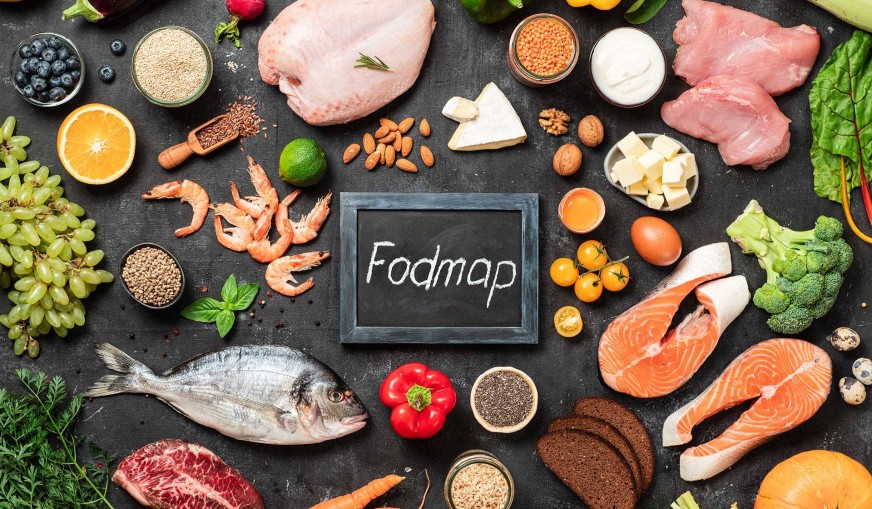
The low-FODMAP diet, known for its effect on easing symptoms in people with irritable bowel syndrome (IBS), continues to reveal new information about itself in the literature. The low-FODMAP diet has been shown to help manage symptoms in 50% to 70% of people with IBS. More recent research also suggests that the diet may be linked with improved mood, lower markers of inflammation and changes in the gut microbial signature.
Effects of the Low-FODMAP Diet on Mood and Quality of Life
In the first US-based randomised controlled trial of the low-FODMAP diet, researchers at the University of Michigan found that reducing FODMAPs, compared with a standard IBS dietary approach, not only reduced pain and bloating symptoms but also improved measures of anxiety and quality of life.
FODMAPs and Immune Activation
FODMAPs are fast food for our gut microbiota (that is, their small size allows them to be consumed quickly). It therefore seems reasonable that a reduction in FODMAPs could have an effect on gut microbial metabolites beyond the production of gas and short-chain fatty acids.
Could the changes in the gut metabolome caused by a reduction in FODMAPs play a role in how the low-FODMAP diet improves gastrointestinal (GI) symptoms? In a new study published in the July 2017 issue of Gut, a low-FODMAP diet in people with IBS resulted in an eight-fold reduction in histamine, a measure of immune activation.
The exact mechanism by which the low-FODMAP diet lowers histamine levels is not yet fully understood. However, some research suggests that the diet may reduce the formation of metabolites that could trigger the release of histamine and other mediators in the digestive system. It is also thought that in sensitive patients the gut microbiota may stimulate histamine production.
Mast cells are cells found in the gut wall that can release many inflammation-related chemicals, such as histamine. The metabolites produced by the fermentation of FODMAPs could stimulate mast cells, which may lead to the release of histamine and other mediators. This in turn may cause symptoms such as digestive problems and pain.
Mast cells can be activated, through a process called degranulation, by a variety of triggers such as infections, stress and gas trapped in the gut. In this case the mast cells release substances such as histamine into the gut, which can lead to inflammation and various digestive problems.
Examples of FODMAPs in the Diet
FODMAP |
Specific Carbohydrate Content |
High-FODMAP Foods |
Oligosaccharides |
Fructans and galacto-oligosaccharides |
Onion, garlic, soybeans, pulses, barley, wheat, cashews and pistachios |
Disaccharides |
Lactose (the sugar found in milk and dairy products) |
Cow's, goat's and sheep's milk; ricotta cheese, ice cream and custard |
Monosaccharides |
Fructose, when a food contains more fructose than glucose |
Agave, apples, asparagus, honey, mango, pears and watermelon |
Polyols |
Sugar alcohols, especially mannitol and sorbitol in foods |
Apples, blackberries, cauliflower, peaches, plums and mushrooms |
Resources
1. Gibson PR, Shepherd SJ. Evidence-based dietary management of functional gastrointestinal symptoms: the FODMAP approach. J Gastroenterol Hepatol. 2010;25(2):252-258.
2. US Department of Agriculture, Agricultural Research Service. USDA National Nutrient Database for Standard Reference, Release 28. https://ndb.nal.usda.gov/ndb/. Updated May 2016.
Gut Permeability and Inflammation
In a groundbreaking study at the University of Michigan, gut microbiome researchers compared a low-FODMAP diet with a high-FODMAP diet in people with diarrhoea-predominant IBS (IBS-D) and also noted a reduction in gut microbial endotoxin lipopolysaccharides (LPS).
LPS are found in the outer membrane of most gram-negative bacteria. A rise in LPS is associated with gut permeability and inflammation of the gut. It can also compromise the tight junctions in the gut, allowing toxic components to cross the gut wall.
In a mouse study, researchers looked at the effects of faecal supernatant (the clear liquid left after settling) taken from people with IBS-D before and after a low-FODMAP diet. The results showed that mice injected with faecal supernatant containing high LPS were more sensitive to rectal stimuli.
Changes in the Gut Microbiome
A growing number of studies have assessed the effect of the low-FODMAP diet on the gut microbiome, and they suggest that there may be some potentially harmful changes.
Vanner's recent study showed that the low-FODMAP diet resulted in a decrease in probiotic bifidobacteria, but overall resulted in higher bacterial richness and diversity in the stool samples of people with IBS.
Kevin Whelan, RD, PhD, a professor of dietetics and head of the department of nutritional sciences at King's College London in the United Kingdom, drew attention to the microbial changes seen after completing the low-FODMAP elimination diet. He said:
"Throughout my research career I have always focused on the beneficial effects of prebiotic carbohydrates on the microbiome. For that reason I was initially reluctant to adopt the low-FODMAP diet for people with IBS. In 2012 we published the first randomised controlled trial of the low-FODMAP diet, and we confirmed that, although it improved symptoms in IBS, it also changed the microbiome, in particular reducing bifidobacteria. This has since been confirmed in many other studies. There have even been other changes in the microbiome. However, two questions remain unanswered: whether these changes in the microbiome are harmful, and what happens when FODMAPs are reintroduced."
Can the FODMAP Diet Be Followed for Life?
The gut microbial environment can change even with just one day of dietary change. Once patients have completed the three phases of the low-FODMAP diet, observing how the gut microbiome changes can help us better understand the effect of following this dietary approach.
Most of the data assessing the effect of the low-FODMAP diet on the gut microbiome centre on the elimination phase. It is important for dietitians to know that patients should not follow the low-FODMAP elimination diet for life.
— Kate Scarlata, RDN, LDN, is a Boston-based dietitian and New York Times best-selling author with 30 years of experience. She's well known for her expertise in the low-FODMAP diet and gastrointestinal nutrition. She's an advisor for FODY Foods and author of the iOS FODMAP Grocery Guide app.
Disclosure: Kevin Whelan, PhD, RD, a professor of dietetics and head of the department of nutritional sciences at King's College London, United Kingdom, has received research funding from the National Institute for Health Research (UK), Medical Research Council (UK), and Clasado Ltd, and he's the coinventor of an app for people following the low-FODMAP diet (FODMAP by FoodMaestro).
References
1. Halmos EP, Power VA, Shepherd SJ, Gibson PR, Muir JG. A diet low in FODMAPs reduces symptoms of irritable bowel syndrome. Gastroenterology. 2014;146(1):67-75.
2. Eswaran S, Chey WD, Jackson K, Pillai S, Chey SW, Han-Markey T. A diet low in fermentable oligo-, di-, and monosaccharides and polyols improves quality of life and reduces activity impairment in patients with irritable bowel syndrome and diarrhea. Clin Gastroenterol Hepatol. 2017;15(12):1890-1899.
3. McIntosh K, Reed DE, Schneider T, et al. FODMAPs alter symptoms and the metabolome of patients with IBS: a randomised controlled trial. Gut. 2017;66(7):1241-1251.
4. Zhou SY, Gillilland M 3rd, Wu X, et al. FODMAP diet modulates visceral nociception by lipopolysaccharide-mediated intestinal inflammation and barrier dysfunction. J Clin Invest. 2018;128(1):267-280.
5. Staudacher HM, Lomer MC, Anderson JL, et al. Fermentable carbohydrate restriction reduces luminal bifidobacteria and gastrointestinal symptoms in patients with irritable bowel syndrome. J Nutr. 2012;142(8):1510-1518.
6. Halmos EP, Christophersen CT, Bird AR, Shepherd SJ, Gibson PR, Muir JG. Diets that differ in their FODMAP content alter the colonic luminal microenvironment. Gut. 2015;64(1):93-100.
7. Whelan K, Martin LD, Staudacher HM, Lomer MCE. The low FODMAP diet in the management of irritable bowel syndrome: an evidence-based review of FODMAP restriction, reintroduction and personalization in clinical practice. J Hum Nutr Diet. 2018;31(2):239-255.
8. Rossi M, Aggio R, Staudacher HM, et al. Volatile organic compounds in feces associate with response to dietary intervention in patients with irritable bowel syndrome. Clin Gastroenterol Hepatol. 2018;16(3):385-391.e1.
This article is for general information only; please consult your doctor and dietitian about your own situation.
Book an appointment for a personalised nutrition plan
The information in this article is general; what you need depends on your age, health and goals. Message us and we will build the plan that suits you together.

This content is for information only. For a personalised nutrition programme, please consult a dietitian.


