

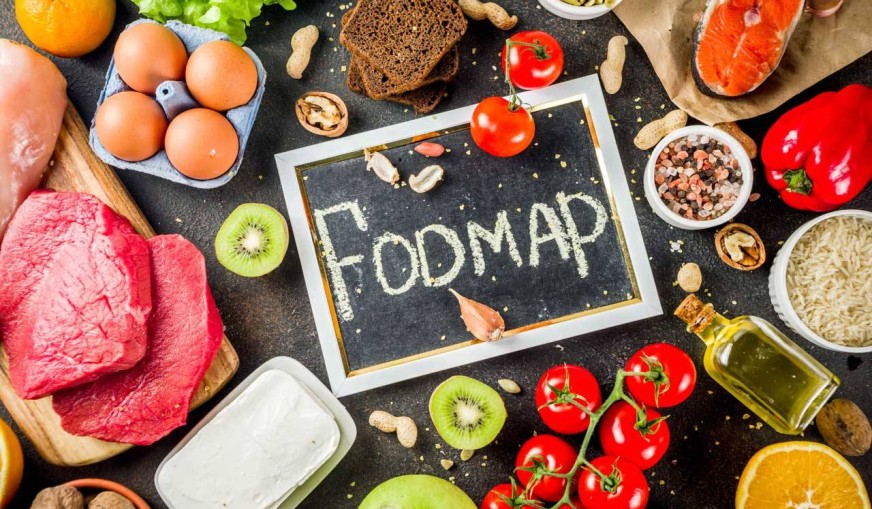
The FODMAP diet is used in the management of IBS (irritable bowel syndrome), which shows itself through varying symptoms such as gas, bloating, diarrhoea, constipation and abdominal pain. For many people it can help ease the symptoms caused by the condition. In this diet, short-chain, fermentable carbohydrates known as FODMAPs are restricted.
What Is FODMAP?
FODMAP is the short name for Fermentable Oligo-, Di-, Mono-saccharides And Polyols. Each one refers to a type of carbohydrate. These carbohydrates cannot be digested and absorbed into the blood. They therefore pass undigested to the far end of the gut, where many of the gut bacteria live. The gut bacteria use these FODMAPs as fuel and produce hydrogen gas. For this reason, FODMAPs can cause digestive problems in people with a sensitive gut. The FODMAP diet aims to help avoid these problems.

What Are FODMAPs?
In general, FODMAPs are as follows:
- Fructans: A carbohydrate found in grains such as rye, wheat and barley.
- Fructose: A simple sugar found in table sugar and in most added sugars. It is also found in fruit.
- Galactans: A carbohydrate found in pulses.
- Lactose: A type of carbohydrate found in milk and dairy products.
- Polyols: These carbohydrates are found in various vegetables and fruits and are mostly used as sweeteners.
What Is the FODMAP Diet?
The FODMAP diet, one of the popular diets of recent years, is recommended in particular for people with digestive conditions. It is an option often discussed for people with irritable bowel syndrome and, under medical supervision, for some people with ulcerative colitis or Crohn's disease. It has been shown to ease complaints such as gas pain, bloating and abdominal pain in some people.
In the FODMAP diet, foods containing fructose, lactose, fructans, galactans and polyols are restricted, because these foods cannot be digested by the gut, are mostly fermented by bacteria, and draw water into the gut. This can cause complaints such as abdominal pain, gas, bloating, diarrhoea, bowel spasms and irregular bowel movements.
How Is the FODMAP Diet Followed?
When the low FODMAP diet is followed carefully, benefits are commonly seen in the first 6-8 weeks. It is difficult to get enough fibre on the diet, so a probiotic supplement is often used for at least 4 weeks, as advised by your doctor or dietitian.
Physical activity and enough water should not be neglected. After a FODMAP-restricted diet, the adaptation and follow-up period should also be monitored by a dietitian.
There are foods that are limited in the FODMAP diet. These foods need to be removed from the diet for a period.
Foods that are removed during the FODMAP diet are as follows:
- Milk and dairy products containing lactose
- Oligosaccharides: wheat, rye, foods made from wheat flour, onion, garlic, beetroot, artichoke, peas, black-eyed peas, borlotti beans
- Sauces and tomato products, seasonings, instant soups, deli meats
- Fructose and polyols: asparagus, cauliflower, celery, sweetcorn, mushrooms, sweet potato, apple, pear, peach, blackberry, sour cherry, dates
- Sugar-free gum, fizzy drinks, foods containing sweeteners
Foods that are generally fine to eat are as follows:
- Lactose-free dairy products
- Meat, fish, eggs
- Grains such as corn, oats and quinoa
- Drinks such as water, coffee and tea
- Fruit such as grapefruit, banana, kiwi, lemon and mandarin
- Vegetables such as peppers, carrots, celery and green beans
- Nuts such as almonds, cashews and peanuts
- Sweeteners such as pekmez (Turkish grape molasses) and maple syrup
What Are the Possible Benefits of the FODMAP Diet?
The FODMAP diet is an eating pattern that can be helpful for people who are sensitive to these carbohydrates. It has a particular place for people with irritable bowel syndrome.
Benefits that people report include:
- Less stomach pain or cramping
- Easier digestion
- Less bloating and gas
Who Should Follow the FODMAP Diet?
Research shows that unless IBS has been diagnosed, this diet may do more harm than good, because most FODMAPs are prebiotics, which means they support the growth of good gut bacteria. The diet should always be followed under the supervision of a dietitian, together with your doctor.
This article is for general information only; please consult your doctor and dietitian about your own situation.
Book an appointment for a personalised nutrition plan
The information in this article is general; what you need depends on your age, health and goals. Message us and we will build the plan that suits you together.

This content is for information only. For a personalised nutrition programme, please consult a dietitian.


