

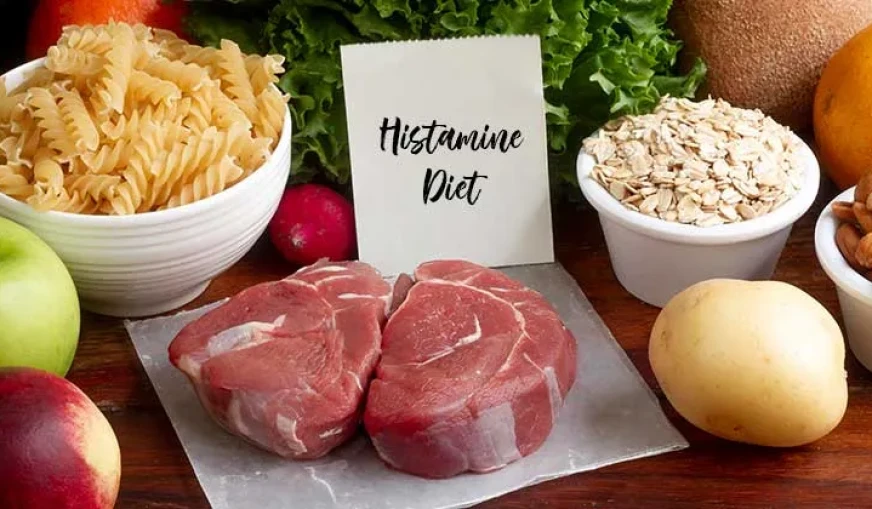
Histamine is a compound that occurs naturally in our bodies and plays an important role in the immune, digestive and nervous systems. In some people, histamine intolerance, where the body cannot break down histamine sufficiently, is thought to contribute to a range of symptoms. A histamine diet is an eating pattern designed to limit histamine intake and to help some people manage their symptoms.
So what is a histamine diet, and who might consider it? Which foods are eaten and which are avoided? Here is what you need to know about the histamine diet.
1. What is histamine and why does it matter?
Histamine is a biological compound that occurs naturally in our bodies and has several functions:
- Immune system: it plays a role in allergic reactions.
- Digestive system: it helps regulate the production of stomach acid.
- Nervous system: it acts on neurotransmitters in the brain and plays a role in sleep, appetite and mood.
Histamine intolerance is thought to occur when the body cannot break down excess histamine. Too much histamine is linked to a variety of symptoms:
- Headaches and migraines
- Skin reactions (rash, itching, redness)
- Digestive problems (gas, bloating, stomach cramps, diarrhoea or constipation)
- Nasal congestion and breathing problems
- Tiredness, anxiety and sleep problems
Tip: for people who have been advised that they may have histamine intolerance, a histamine diet may be tried under professional guidance, with the aim of easing symptoms.
2. What is a histamine diet?
- A histamine diet is a special eating pattern for people with histamine intolerance, designed to limit the histamine they take in through food.
- Its main aim is to limit foods that are high in histamine and to eat foods that are low in it.
Basic principles of a histamine diet:
- Eating foods that are low in histamine
- Avoiding fermented, aged and long-stored foods
- Choosing fresh, natural foods
- Paying attention to sources of probiotics and prebiotics that support gut health
- Favouring foods that support the enzymes that break down histamine
Tip: while following a histamine diet, it is important to track your symptoms to see which foods suit you and which do not.
3. Who might consider it?
A histamine diet is sometimes discussed with a doctor or dietitian by people in the following situations:
People who experience symptoms thought to be linked to histamine intolerance
- People with chronic headaches or migraines
- People with skin redness, itching or eczema
- People with digestive problems (bloating, diarrhoea, stomach pain)
- People who report chronic tiredness and anxiety
People with mast cell activation syndrome (MCAS)
- People who have allergic-type reactions linked to high histamine levels
People with certain chronic conditions
- IBS (irritable bowel syndrome)
- SIBO (small intestinal bacterial overgrowth)
- Bowel conditions such as Crohn's disease and ulcerative colitis
Tip: to find out whether histamine intolerance may be an issue for you, it is important to review your eating with a dietitian or doctor.
4. Foods high in histamine (usually limited)
Some foods are high in histamine and can make symptoms worse in people with histamine intolerance.
Foods that are high in histamine:
Fermented foods
- Pickles, sauerkraut, kimchi
- Fermented dairy products (yoghurt, kefir, cheese)
- Kombucha and fermented teas
Aged and processed foods
- Cured meats, salami, sucuk (Turkish spiced sausage), pastırma (Turkish cured beef)
- Tinned foods
- Sauces (soy sauce, vinegar-based sauces)
Some vegetables and fruits
- Tomato, aubergine, spinach
- Avocado, banana, strawberry, pineapple
- Citrus fruits (orange, lemon, grapefruit)
Alcohol and caffeinated drinks
- Red wine, beer, whisky, rum
- Coffee, black tea, energy drinks
Tip: by watching how your body reacts when you eat these foods, you can get a sense of which ones do not suit you.
5. Foods low in histamine (usually allowed)
For people with histamine intolerance, fresh and natural foods that are low in histamine are generally the options used.
Foods that are low in histamine:
Protein sources
- Fresh meat and chicken (unprocessed)
- Fresh fish (not frozen)
- Eggs (egg white in particular should be eaten with care)
Vegetables
- Carrot, broccoli, courgette, cucumber
- Lettuce, green beans, asparagus
Fruit
- Apple, pear, watermelon
- Blueberries, raspberries, kiwi
Healthy fats and carbohydrates
- Olive oil, coconut oil
- Wholegrain rice, quinoa, oats
Tip: eating more low-histamine foods may help lower the amount of histamine you take in through food.
6. How is a histamine diet followed?
- For people with histamine intolerance, a "low-histamine diet" is usually followed.
- This diet usually lasts 4 to 6 weeks, after which tolerated foods are slowly added back.
How the histamine diet is followed:
- At first, all foods that are high in histamine are removed.
- Eating begins with low-histamine foods.
- As symptoms ease, foods are added back one at a time to test tolerance.
Tip: keep a food diary to track the changes you make and see which foods suit you.
A histamine diet and digestive comfort
- If you have symptoms that may be linked to histamine intolerance, a low-histamine eating plan may help ease them in some people.
- Limiting fermented and processed foods may make digestion more comfortable for some people.
- Eating low-histamine foods may help you look after your gut health.
Remember: histamine intolerance is individual. Because restrictive diets can lead to gaps in nutrition, it is a sensible approach to get support from a dietitian and your doctor when planning your eating.
This article is for general information only; please consult your doctor and dietitian about your own situation.
Book an appointment for a personalised nutrition plan
The information in this article is general; what you need depends on your age, health and goals. Message us and we will build the plan that suits you together.

This content is for information only. For a personalised nutrition programme, please consult a dietitian.


