Turmeric
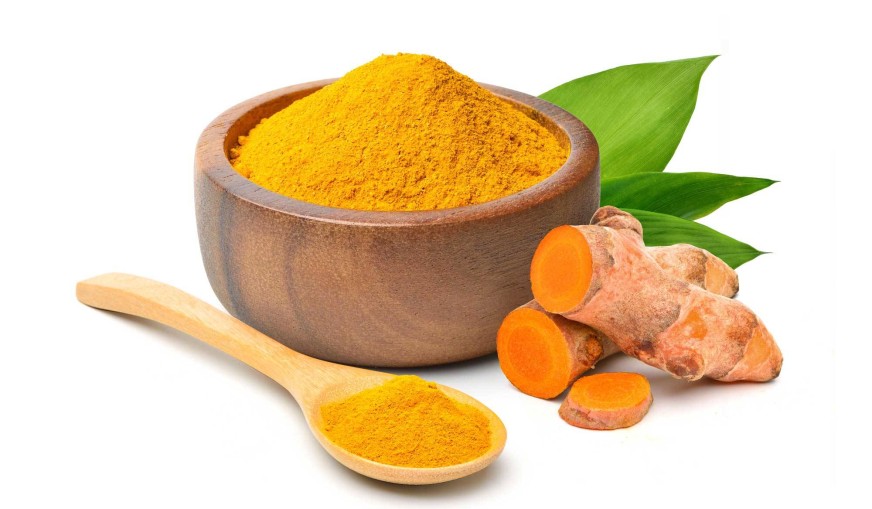
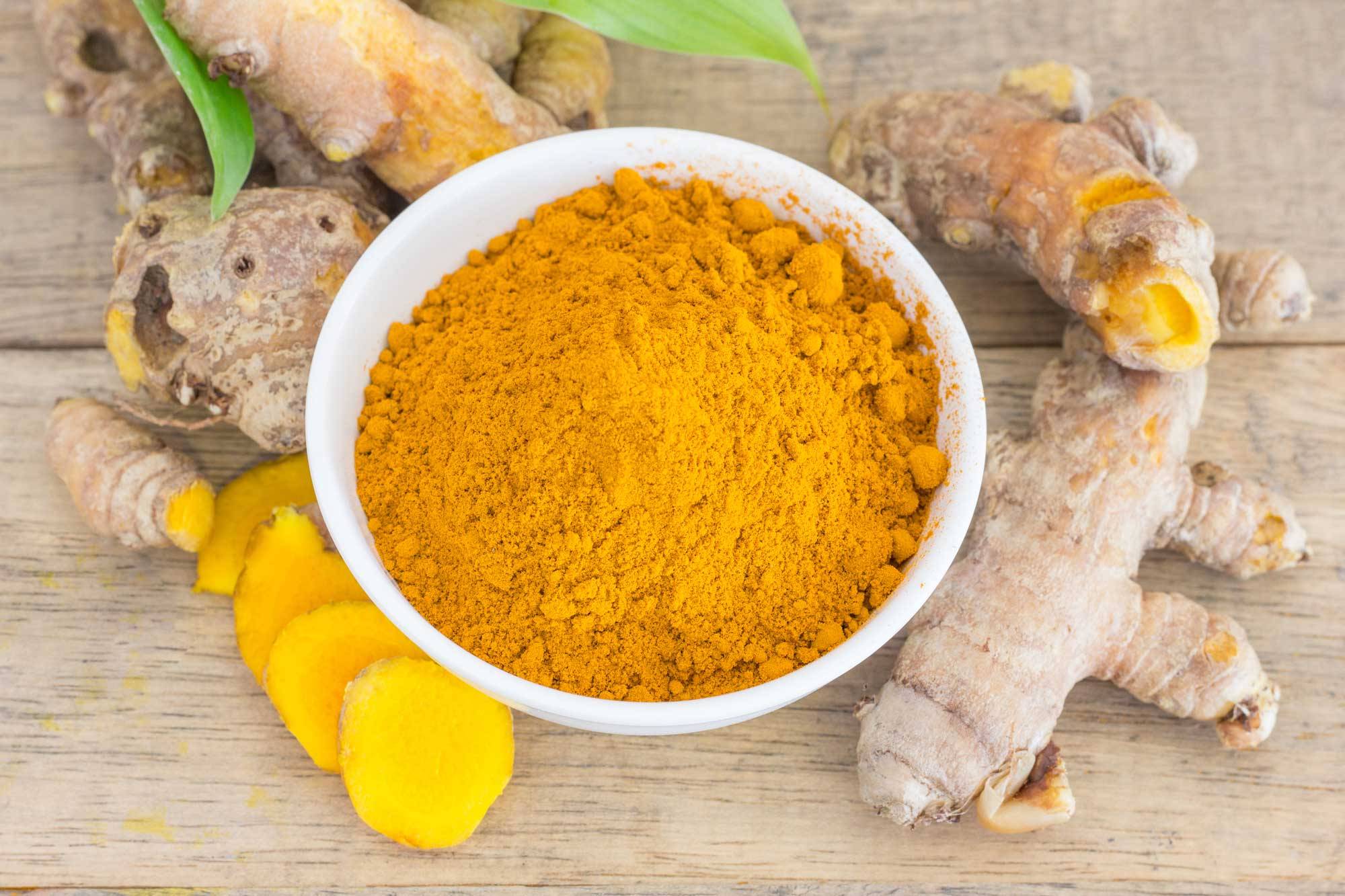
Turmeric is a spice that many people include in their daily cooking as part of a balanced eating pattern. Its use in food is generally considered safe, but it is not a weight-loss method and does not replace medical care.
Curcumin, the essence of turmeric, was first isolated about 200 years ago. However, it has been one of the constant ingredients of traditional medicine for centuries.
 Uses and Benefits
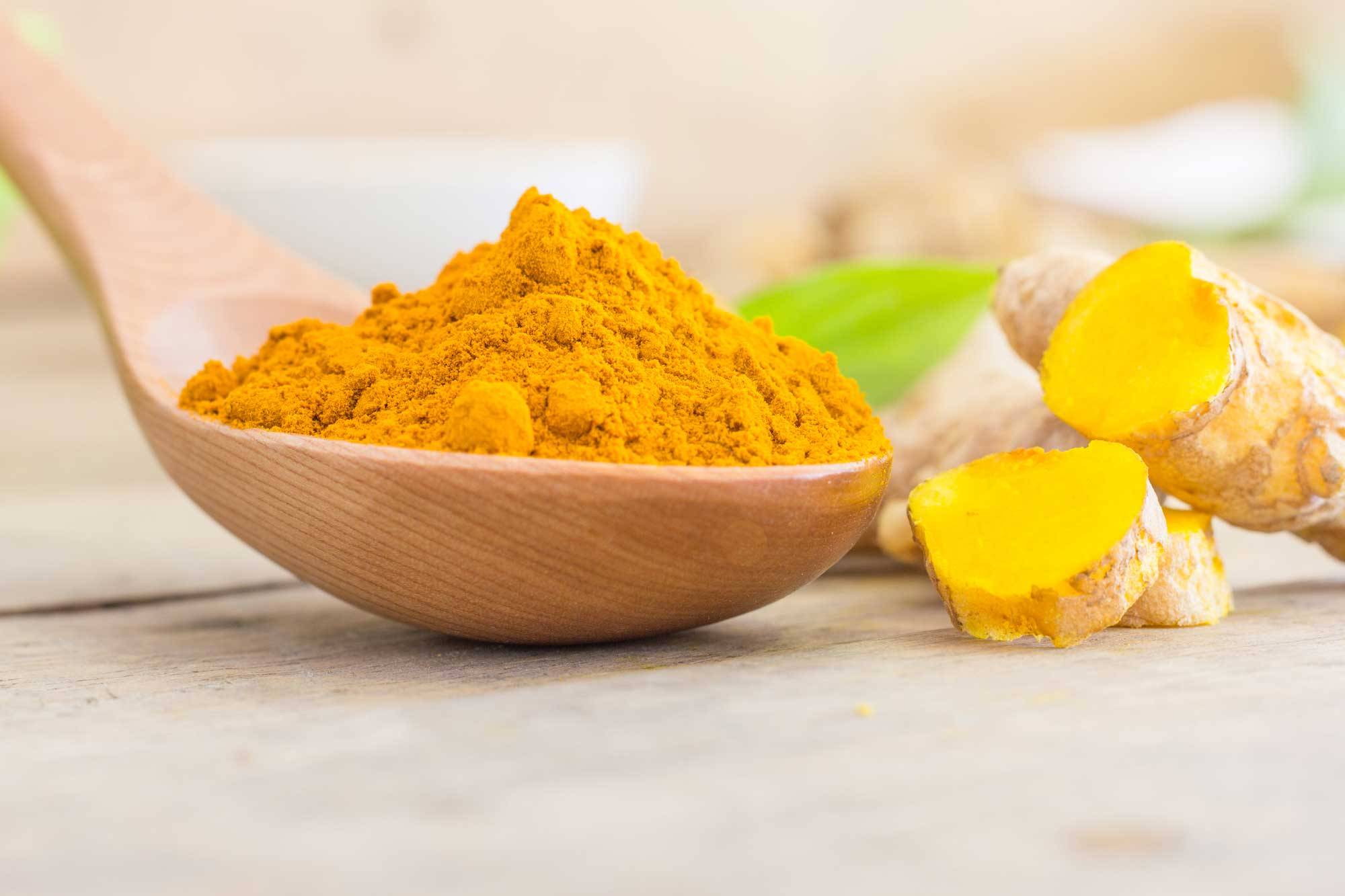
Curcumin is a strong phytochemical found in turmeric and is known to have an anti-inflammatory effect. In test-tube and animal studies, curcumin has been seen to block certain biological pathways that cause inflammation. A number of studies have suggested that chronic, low-grade inflammation may be an important factor in the development of health problems such as heart disease, diabetes, Alzheimer's disease and cancer.
Research from randomised controlled trials (RCTs) on the effects of turmeric and curcumin has been inconclusive in some cases, but most of it has given interesting results. Some of these suggest that turmeric may ease knee pain and that improvement was seen in people with osteoarthritis. Another randomised controlled study gave turmeric supplements to 120 overweight people for three months, and changes in blood fat levels were reported. Turmeric may also improve the quality of life of people with chronic kidney disease who have itchy skin; in one randomised controlled study, people taking turmeric were reported to have lower markers of inflammation and less itching. Although the picture is still unclear, other RCTs suggest that turmeric may play a useful role in heart health, in diabetes, in healing after surgery and in irritable bowel syndrome. These are research findings and not treatment claims, and turmeric should not replace the medication or advice of your doctor.
 Doses
Studies typically use turmeric doses of 500-2,000 mg a day in extract form. For example, an average Indian diet provides about 2,000-2,500 mg of turmeric a day, which is 60-100 mg of curcumin. The same amount in extract form can contain 1,900-2,375 mg of curcumin. In other words, turmeric spice contains about 3% curcumin, compared with 95% in extracts. Even so, turmeric used as a spice continues to be of value. Although there are no firm conclusions about effective doses of turmeric or curcumin, the doses used in research are not recommendations for individuals, and the amount that is right for you should be agreed with your doctor.
Because there is not enough research confirming the long-term safety of high doses of turmeric and curcumin, long-term consumption of these supplements at high doses is not recommended. The World Health Organization (WHO) has set an acceptable daily intake for curcumin of 1.4 mg per kilogram of body weight (0-3 mg/kg).
Oral curcumin is a polyphenol and a hydrophobic molecule, which means it does not like water. For this reason it dissolves in water to an almost negligible extent. Because it does not dissolve in water, its bioavailability is quite limited. (Turmeric sprinkled raw over yoghurt gives very little benefit to the body!)
For this reason, the spice should first be dissolved in fat, and then added to the dish and cooked. It should also be remembered that black pepper increases the absorption of curcumin.
Turmeric supplements can interact with some medications. If you take more than one medication, please ask your doctor or pharmacist whether turmeric supplements are suitable for you and when to take them.
This article is for general information only; please consult your doctor and dietitian about your own situation.
Book an appointment for a personalised nutrition plan
The information in this article is general; what you need depends on your age, health and goals. Message us and we will build the plan that suits you together.

This content is for information only. For a personalised nutrition programme, please consult a dietitian.