

Irritable bowel syndrome is a functional digestive problem that affects the large intestine. Irritable bowel syndrome (IBS) is also known as sensitive bowel syndrome or spastic colon. It is a common condition that affects about 15% of the population. It needs to be managed over the long term with your doctor and can be supported through nutrition.
What Is Irritable Bowel Syndrome?
Irritable bowel syndrome is one of the conditions known as functional gastrointestinal disorders. In functional digestive problems there is an abnormality in how the bowel works, but tests are normal and no structural defect can be found.
Irritable bowel syndrome is a condition seen in younger people and is most often identified in people under the age of 45.
What Causes Irritable Bowel Syndrome?
No definite cause of IBS has been identified to date. However, it is thought to be linked with the following:
- Food allergies
- Stress
- Eating foods that are low in fibre
- Infections in the large intestine
- Diverticulitis
What Should Nutrition Look Like in Irritable Bowel Syndrome?
Many people with irritable bowel syndrome find their symptoms ease gradually as their eating pattern changes. Every person's complaints and eating habits are different, so individual nutrition counselling is important.
Points to watch for in the eating routine in IBS include:
- During a bout of constipation, drink plenty of fluid and eat fibre-rich foods.
- To avoid gas building up in the bowel, limit gas-producing foods.
- Limit fatty foods.
- Processed foods and packaged products can upset people with a sensitive bowel, so it is often helpful to limit them.
- Having snacks between meals helps keep the stomach and bowel moving.
- If fibre-rich foods are eaten, the bowel tends to work more easily and comfortably.
- Foods should be fresh and natural. Stale, frozen and ready-made foods may affect the course of symptoms for some people.
- During a bout of diarrhoea, foods containing fibre of a soluble kind may help the stools to firm up. Please ask your dietitian which kind suits you.
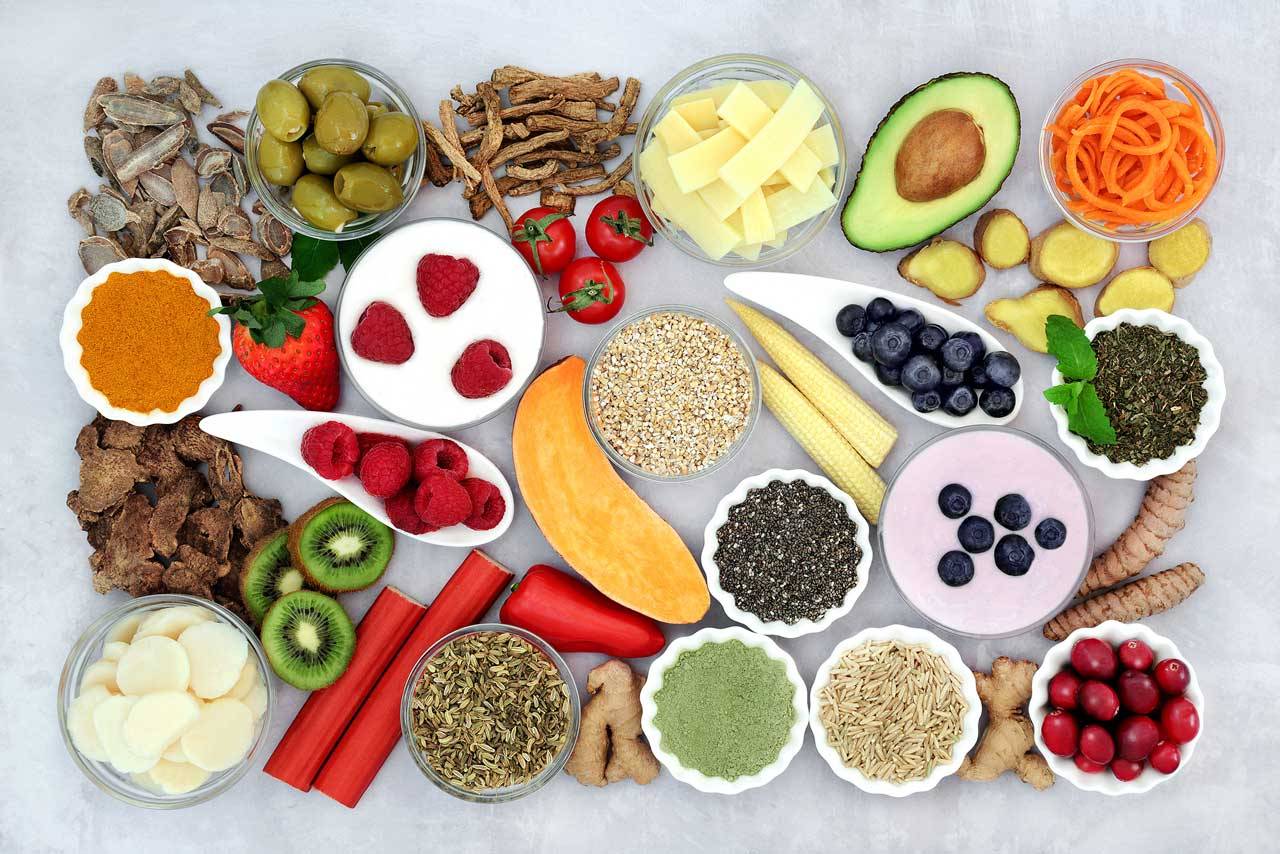
Which Diets Are Suggested?
The following diets are often discussed for people with irritable bowel syndrome. They should only be followed as part of a plan suggested by a specialist, because some diets may not suit you.
The diets commonly discussed in IBS are as follows:
A High-Fibre Diet
Fibre adds bulk to your stools, which helps them move. The average adult should eat 20 to 35 grams of fibre a day.
Fibre-rich foods such as fruit, vegetables and wholegrains are nutritious and help prevent constipation. If you feel bloated with the increased fibre, you could try eating the soluble fibre found in fruit and vegetables instead of that in grains.
A Low FODMAP Diet
FODMAPs are carbohydrates that are difficult for the bowel to digest. Because these carbohydrates draw more water into the bowel, people with irritable bowel syndrome may experience more gas, bloating and diarrhoea after eating them.
It is important to know that not all carbohydrates are FODMAPs. For this reason, to get the most from the approach, the right types of food need to be removed from your diet, with a dietitian's guidance.
Foods that are avoided on this diet include:
- Pulses
- Lactose
- High-fructose corn syrup
- Cashews and pistachios
- Some fruits such as peach, watermelon, pear, mango, apple, plum and nectarine
- Some vegetables such as artichoke, asparagus, broccoli, onion, Brussels sprouts, cauliflower and mushrooms
- Sweeteners
- Wheat-based bread, cereals and pasta
A Gluten-Free Diet
Gluten is a protein found in grain products such as bread and pasta. In people with gluten intolerance, this protein can damage the bowel. Some people with sensitivity or intolerance to gluten also have irritable bowel syndrome. In such cases a gluten-free diet may help ease symptoms.
A Low-Fat Diet
Chronic consumption of high-fat foods is linked with various health problems such as obesity. It can also make symptoms worse in people with IBS.
High-fat foods are generally low in fibre, which can be a problem for constipation related to irritable bowel syndrome. Starting a lower-fat diet is therefore good for your heart and may help ease uncomfortable bowel symptoms.
An Elimination Diet
An elimination diet focuses on avoiding certain foods for a period of time to see whether your irritable bowel syndrome symptoms improve. It should be done with a dietitian so you do not cut out important nutrients.
This article is for general information only; please consult your doctor and dietitian about your own situation.
Book an appointment for a personalised nutrition plan
The information in this article is general; what you need depends on your age, health and goals. Message us and we will build the plan that suits you together.

This content is for information only. For a personalised nutrition programme, please consult a dietitian.


