The aim of eating well before you conceive is to enter the first weeks of pregnancy with well-stocked nutrient stores. The key steps are building a balanced plate rich in folate, iron, iodine and vitamin D; moving towards a healthy weight; stopping alcohol and smoking and cutting back on caffeine; and having a preconception check-up with your doctor.
Preparing for pregnancy is often reduced to “starting folic acid”. Yet a baby's organs begin to form before many women even know they are pregnant. That is why the eating habits you settle into during the preparation period directly affect the most critical weeks of pregnancy.
- Start reviewing your eating habits at least a few months before the date you plan to conceive.
- Folate, iron, iodine, calcium and vitamin D are priority nutrients before pregnancy.
- Moving towards a healthy weight matters, but crash diets are not recommended.
- Stopping alcohol and smoking, cutting back on caffeine and getting used to food safety rules now is good preparation.
- Talk to your doctor before pregnancy about supplements and the management of any chronic conditions.
When Should You Start Eating for Pregnancy Preparation?
Ideally, you start at least three months before the date you plan to conceive. That is a realistic window for changing eating habits, having your blood values checked and, if needed, correcting any deficiencies.
It is also worth remembering that a good share of pregnancies are not planned. So any woman thinking of having a child benefits from adopting balanced eating and healthy lifestyle habits now, even if the answer to “when” is not yet clear.
Which Nutrients Are a Priority Before Pregnancy?
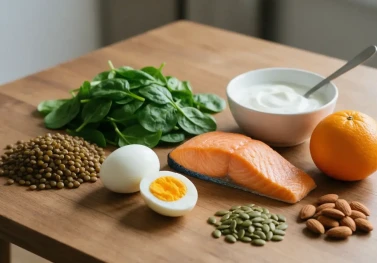
The nutrients that stand out before pregnancy are folate, iron, iodine, calcium, vitamin D and omega-3 fatty acids. They play a key role in the baby's nervous system, blood production and bone development, as well as in the mother's own stores.
| Nutrient | Why it matters before pregnancy | Food sources |
|---|---|---|
| Folate | The baby's neural tube develops in the first weeks of pregnancy | Spinach, broccoli, lentils, chickpeas, oranges |
| Iron | Blood volume increases in pregnancy; starting with low stores raises the risk of anaemia | Red meat, chicken, eggs, pulses, dark green leafy vegetables |
| Iodine | Needed for thyroid hormones and the baby's brain development | Iodised salt (in small amounts), dairy products, eggs, fish |
| Calcium and vitamin D | Bone health and the use of calcium | Milk, yoghurt, cheese; for vitamin D, sunlight, oily fish, egg yolk |
| Omega-3 | The baby's brain and eye development | Low-mercury fish such as salmon, sardines and anchovies; walnuts |
The American College of Obstetricians and Gynecologists (ACOG) and the NHS recommend taking a folic acid supplement starting before pregnancy. The dose and duration can vary from person to person; if you have a history of neural tube defects, diabetes or take certain medicines, your doctor may suggest a different plan. So always make the decision about supplements with your doctor.
I explain in detail how to meet the increased vitamin and mineral needs of pregnancy through food in my article on vitamin and mineral needs during pregnancy.
How Should You Build Your Plate Before Pregnancy?
A preconception plate is a balanced one, with vegetables, good-quality protein, wholegrains and healthy fats at every meal. You do not need a special “pregnancy diet”; the aim is for everyday eating to be varied, regular and nutrient-dense.
- Vegetables and fruit: At least five portions a day, especially dark green leafy vegetables, citrus fruit and colourful vegetables.
- Protein: Pulses a few times a week, eggs, chicken and red meat regularly, and fish twice a week.
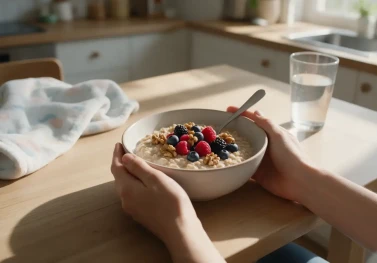
- Wholegrains: High-fibre options such as bulgur, oats and wholemeal bread.
- Dairy: 2–3 portions a day of milk, yoghurt, ayran (Turkish salted yoghurt drink) or cheese.
- Healthy fats: Olive oil, walnuts, hazelnuts, almonds.
Cutting back on sugary drinks, packaged snacks and processed meat supports both weight management and blood sugar balance. Because blood sugar balance also relates to the risk of gestational diabetes, it should not be overlooked during the preparation period.
A sample day for pregnancy preparation
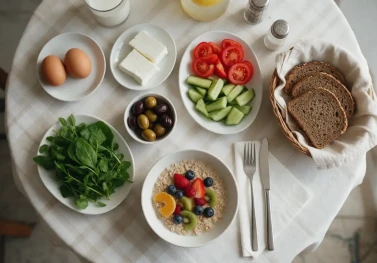
- Breakfast: Boiled egg, white cheese, plenty of greens, tomato, a few walnuts and wholemeal bread.
- Snack: An orange or a mandarin and a bowl of yoghurt.
- Lunch: Lentil soup, spinach or leeks cooked in olive oil, a slice of wholegrain bread.
- Snack: A handful of almonds and a seasonal fruit.
- Dinner: Baked salmon or anchovies, bulgur pilaf, a seasonal salad and ayran.
This menu is only meant to give you an idea. Portions vary with your height, weight, activity level and health. What matters is to include different coloured vegetables and fruit, different protein sources and wholegrains across the week. Increasing variety rather than repeating the same few foods every day reduces the chance of nutrient gaps.
How Does Weight Affect Conceiving and Pregnancy?
Both a very low and a very high body weight can make it harder to conceive and can raise some risks in pregnancy. The NHS notes that excess weight can increase the risk of complications such as high blood pressure, pre-eclampsia and gestational diabetes in pregnancy.
If you are carrying extra weight, even losing a few kilos before pregnancy can make a difference. What matters here is not a crash diet that drops a lot of weight quickly, but a sustainable routine; very restrictive diets can run down your nutrient stores just when you will need them most. If your weight is low, it is likewise important to move towards a healthy range by getting enough energy and protein. You can use the article on body mass index calculation to assess your own situation.
Which Habits Should You Change Now?
Stopping alcohol and smoking, cutting back on caffeine and getting used to being careful with foods that carry risks in pregnancy are among the most effective steps in preparing for pregnancy. These changes also mean you will not be caught unprepared when a pregnancy test comes back positive.
- Alcohol: Women planning a pregnancy are advised to avoid alcohol completely.
- Smoking: Both active and passive smoking affect pregnancy outcomes negatively; do not hesitate to get support to quit.
- Caffeine: Review the total caffeine in your coffee, tea, cola and energy drinks, and get close to the recommended pregnancy limit now.
- Food safety: Raw or undercooked meat, raw eggs, unpasteurised dairy products and high-mercury fish are not recommended in pregnancy. You can read my article on what not to eat during pregnancy for more on this.
- Herbal products: Ask your doctor before using herbal blends of unclear content and “fertility teas”.
What Should You Do If You Have a Chronic Condition?
If you have a condition such as diabetes, a thyroid disorder, high blood pressure, polycystic ovary syndrome, coeliac disease or anaemia, you should definitely talk to your doctor before pregnancy. Getting these conditions under control before pregnancy is important for the health of both mother and baby.
Some medicines may need to be changed while you plan a pregnancy; do not stop or change your medicines on your own. Your nutrition plan should also be tailored to your condition, your blood values and the medicines you take.
Does Your Partner's Diet Matter Too?
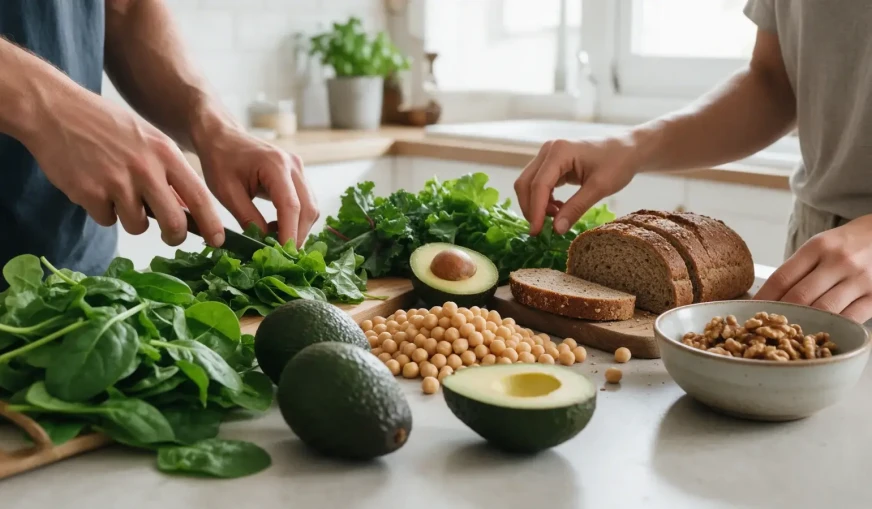
Yes. Balanced eating, staying close to a healthy weight, and avoiding smoking and alcohol support general reproductive health in men as well. Habits changed together at home are also much easier to keep up.
Making a shopping list together, planning the weekly menu together and settling into a shared routine for dinners builds a routine that will make life easier throughout pregnancy too. Seeing the preparation period not as a “diet” but as a new way of living adopted as a family also boosts motivation.
What Should You Discuss at a Preconception Appointment?
At a preconception appointment you can discuss with your doctor your blood values (such as iron stores, B12, vitamin D and thyroid), your vaccinations, the medicines you take and whether you need supplements. This appointment gives you a roadmap for starting pregnancy in healthy conditions.
On the nutrition side, we can assess your current habits, your weight goal and any digestive complaints, and build a plan tailored to you. In this process we can work together, face to face or online, within pregnancy preparation counselling. Once pregnancy begins, you can find stage-by-stage recommendations on my nutrition during pregnancy page.
Sources
- ACOG – Good Health Before Pregnancy: Prepregnancy Care
- NHS – Trying to get pregnant
- NHS – B vitamins and folic acid
- WHO – Healthy diet
This article is for general information only; please consult your doctor and dietitian about your own situation.
Frequently Asked Questions
When should I start paying attention to my diet when preparing for pregnancy?
If possible, it is ideal to start at least a few months before the date you plan to conceive. A baby's nervous system begins to develop in the first weeks of pregnancy, before most women realise they are pregnant, so it is important to have your nutrient stores ready in advance.
Is getting folic acid from food enough?
Folate is found in leafy green vegetables, pulses and citrus fruit, but most women are also advised to take a folic acid supplement before pregnancy. Your doctor will decide when you should start the supplement and which dose to use based on your health history.
If I am overweight, should I lose weight before getting pregnant?
Moving towards a healthy weight before pregnancy can make it easier to conceive and can lower the risk of some complications in pregnancy. However, very low-calorie crash diets are not recommended when planning a pregnancy; work out a gradual, balanced plan together with your doctor and dietitian.
Can I drink coffee while planning a pregnancy?
Caffeine does not have to be banned completely, but getting used to the recommended pregnancy limit now is good preparation. Consider the total caffeine in coffee, tea, cola, energy drinks and chocolate, and talk to your doctor about the amount that suits you.
Does my partner's diet affect pregnancy?
Healthy eating, staying close to a healthy weight and avoiding smoking and alcohol also support general reproductive health in men. Habits changed together at home also create a routine that is easier to keep up throughout pregnancy.
Book an appointment for a personalised pregnancy nutrition plan
Nutritional needs in pregnancy change with the week of pregnancy, weight change and test results. Message us for a plan that fits your doctor's advice.

This content is for information only. For a personalised nutrition programme, please consult a dietitian.